


How to celebrate Diwali with care and balance
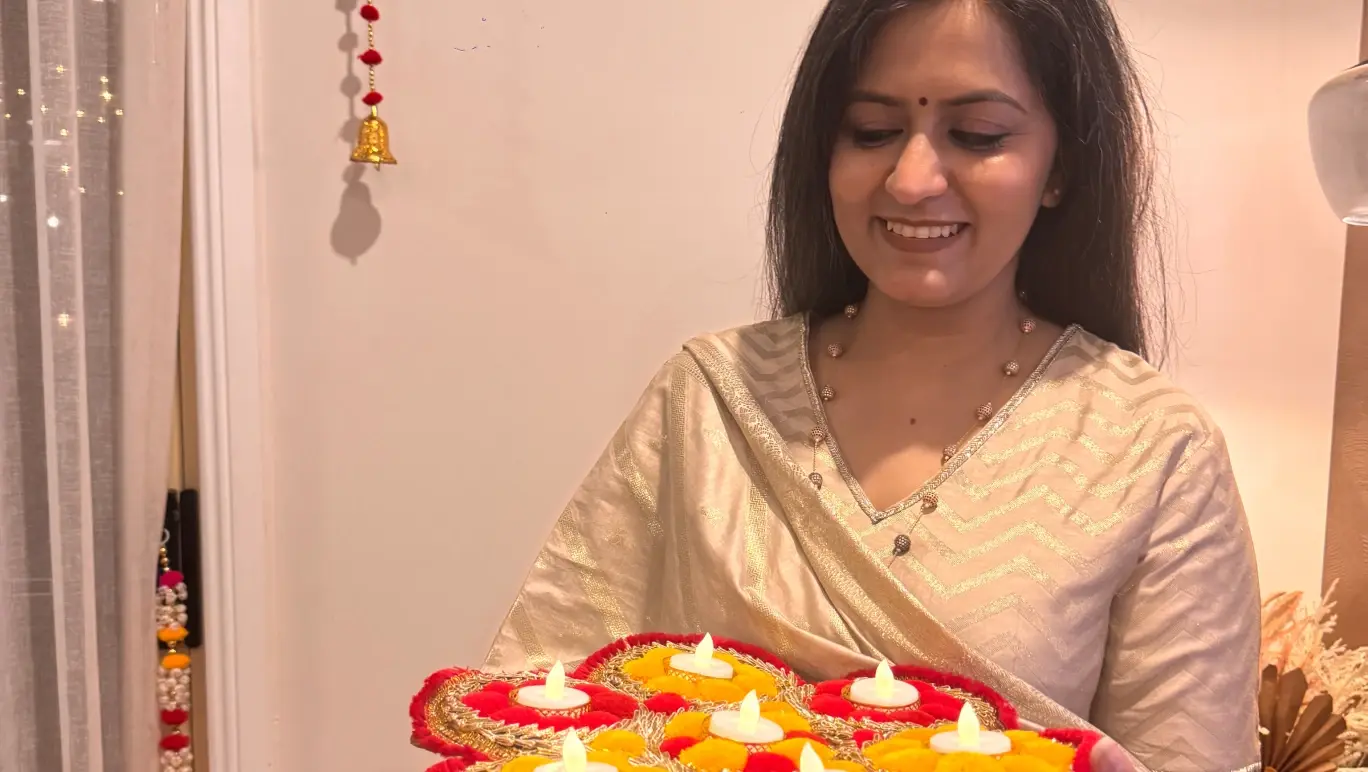
Diwali is a vibrant celebration of light, connection, and renewal, where sharing traditional food sits right at the heart of festivities.
While holiday seasons can sometimes prompt worries around festive indulgence, Accredited Practising Dietitian and PhD researcher Purva Gulyani (founder of Diet Yumm) shares her expert perspective: true wellbeing is grounded in care and balance, not restriction.
Hear her advice on how honouring cultural traditions and nourishing the body go hand in hand, so you can celebrate Diwali fully with joy and energy.
What role does food play in your Diwali celebration?
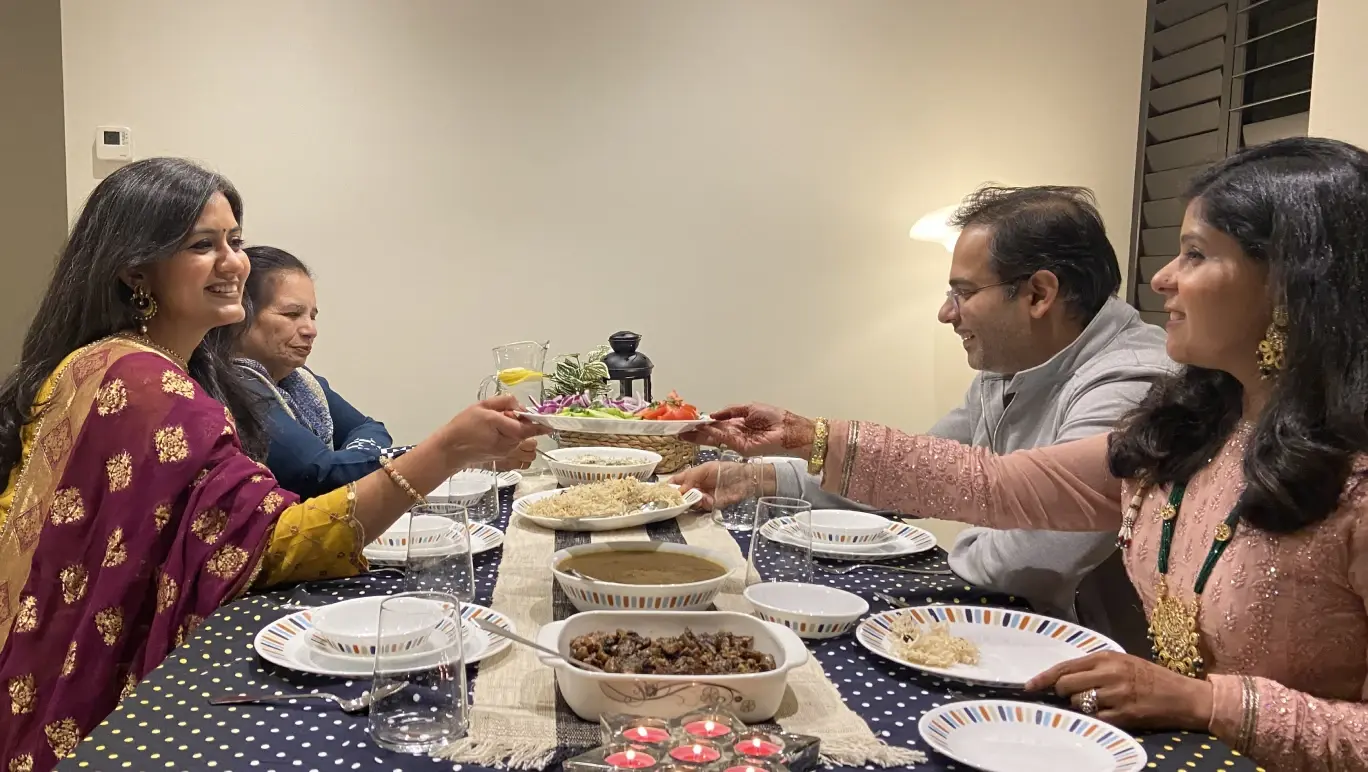
Food is one of the ways we express love and share our culture. We Indians love to feed, it is our love language. A familiar dish or sweet can bring back so many memories.
For me, the joy is in cooking meals, sharing food, welcoming people and sitting down together. Every food belongs at that table - curries, biryani, the dessert - all of it we can enjoy it guilt-free.
How do you like to celebrate with care and balance, while still enjoying the festival?
I like to keep things simple and make room for both nourishment and enjoyment. A few practical tips I’d share for the festive season are:
- Keep your regular meals: Arriving overly hungry can make it harder to notice when you’ve had enough. Have a snack beforehand if you need one.
- Include some variety: Alongside festive favourites, enjoy vegetables, fruit and foods such as dhal, yoghurt, paneer or other protein sources.
- Slow down and savour: Sit down when you can, enjoy the flavours and check in with your hunger and fullness.
- Keep water handy: Especially during warm weather and busy celebrations. Hydration is key.
- Make time for connection and rest: A family walk, dancing together and a good night’s sleep can all be part of celebrating well.
There’s no need to skip meals to “save up” or compensate afterwards. Our everyday habits matter, and there’s room within them for celebration.
What would you say to someone who wants to celebrate Diwali in a way that feels joyful and nourishing?
Small changes in the kitchen can help you create a nourishing festive spread while keeping the flavours you love.
A great way is to make vegetables and legumes (pulses) part of the celebration. Legumes provide plant protein and fibre, while vegetables add fibre and a range of vitamins and minerals.
Some easy ways include:
- Starters: Include a colourful kachumber (cucumber) salad, roasted cauliflower or vegetable and tofu/ paneer skewers.
- Main meals: Dishes such as dhal, chana masala and rajma can sit alongside rice or roti and vegetables.
Keep these dishes as appealing as everything else on the table. Try lemon, coriander, roasted cumin or mint for flavour. For a quick option, use drained and rinsed canned chickpeas in a cucumber and tomato chaat. Opt for no-added-salt varieties where available.
Overall, it’s about choosing the changes that work for your family and taste good to you. Keep the dishes that make Diwali special, and build variety around them.
What are some other practical, easy swaps?
Below are some practical swaps I recommend. To make it realistic and achievable, focus on just one or two changes that suit the dishes you are preparing:
Deep-fried samosas or vegetable tikkis
Try: Baking or air-frying a homemade version with a light brushing of oil. This uses less oil than deep frying (and is just as crunchy and yum!).
Ghee or butter as the main cooking fat
Try: Using olive, mustard or canola oil for some curries and tempering, keeping a little ghee where its flavour matters. This replaces some saturated fat with unsaturated fat that may support heart health.
Cream-based sauces
Try: A tomato-based sauce with plain reduced-fat yoghurt where the recipe allows. Add yoghurt gently over low heat. This can reduce saturated fat compared with a cream-rich version.
Full-fat milk in milk-based desserts
Try: Using reduced-fat milk in a suitable kheer or other milk-based dessert recipe. This helps reduce saturated fat while retaining milk’s protein and calcium. Added sugar is a separate consideration.
Making carbs complex
Try: Offering multigrain roti (whole meal flour with other millets/lupin etc) or a brown-and-white rice mix as another option. This adds a wholegrain choice and more fibre. Cook different rice types separately if their cooking times differ.
Chaat with lots of fried toppings
Try: Building it around cooked chickpeas, cucumber and tomato, with sev and chutneys as toppings. This helps to add legumes and vegetables while using smaller amounts of fried toppings.
Sugary soft drinks or cordial
Try: Offering chilled still or sparkling water with lemon, cucumber or mint. A sugar-free drink can be another option. Replacing a sugary drink with water reduces added sugar and added calories. Water remains the everyday first choice.
What advice do you have for those who want to enjoy mithai (sweets) in a more balanced way?
Enjoy Diwali with some flexibility. Choose the sweets you most enjoy and take time to savour them. Offering smaller pieces gives guests flexibility to try different varieties and choose how much they want. If you are making sweets at home, a tested recipe with less added sugar may be useful.
Cardamom, saffron or rosewater can add aroma, although they do not replace sugar’s role in texture and binding. Jaggery, honey and coconut sugar still contribute sugar when added to a recipe. A switch between these ingredients does not automatically reduce the sugar content.
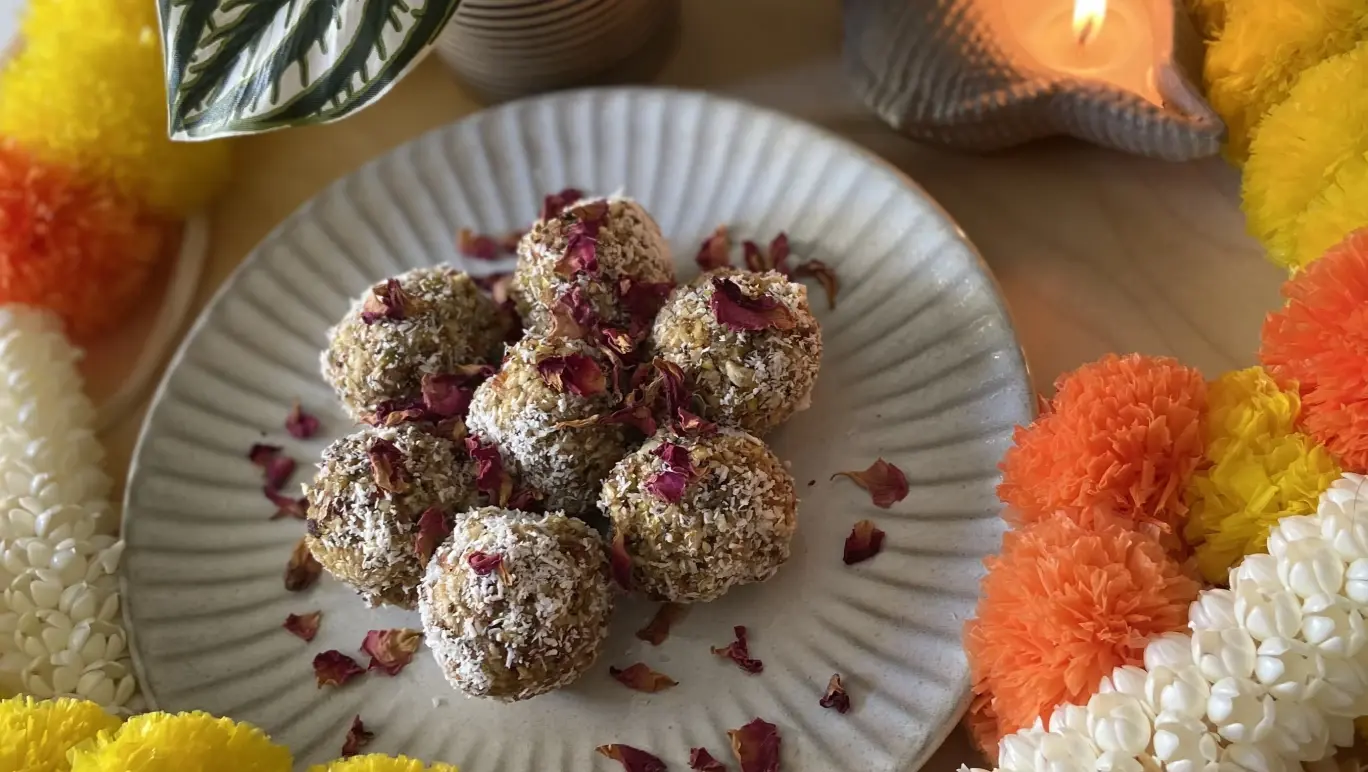
Non-sugar sweeteners are another option: use a recipe designed for the particular sweetener and follow its directions. A sugar-free sweet can still contain substantial fat or energy, so consider the whole recipe.
Beyond food, what else makes Diwali feel good for your body and mind?
For me, it’s the sense of connection – making time for family and friends, decorating our home and pausing for gratitude. You call it spring cleaning and we call it Diwali cleaning.
This festival means differently to different cultures in South Asia, but the goal is the same; Joy! Diwali is also a lovely reminder to put everyday busyness aside and be present with the people around us.
Reviewed by the Healthylife health experts October 2026.
Related reads










This article is for informational purposes only and does not provide medical advice, diagnosis, or treatment. Any information published on this website or by this brand is not intended as a substitute for medical advice. If you have any concerns or questions about your health you should consult with a health professional.
About this article

Purva Gulyani
Purva Gulyani is an Accredited Practising Dietitian, founder of Diet Yumm and a PhD researcher at La Trobe University, based in Australia. She’s passionate about helping people make healthy eating work within their everyday lives, including their cultural foods and family routines.