


Are you hungry or thirsty? The link between hydration and appetite

Are you likely to eat more if you’re thirsty? Does not drinking enough water impact your appetite? Some smart researchers have found that the answer to these questions is most likely yes.
Does not drinking enough water impact your appetite?
Research has found that people who are dehydrated are more likely to eat more food than those who have had enough water to drink. Other studies suggest that people who drink more water tend to be more successful at losing weight in the short term.
One of the challenges for many of us, however, is working out if you’re hungry or thirsty - because sometimes they can feel the same; a general desire to consume, perhaps accompanied by a foggy feeling and a rumble in the stomach.
Here are some strategies that can help you determine if you’re hungry or thirsty, and help you drink enough water to best manage your wellbeing.
1. Think of thirst as an alarm bell
Here’s the thing. According to the experts, by the time you’re thirsty - you’re probably already dehydrated. Rather than waiting to feel thirsty, see if you can drink to prevent thirst.
Research also suggests that it can be helpful to drink a tall glass of water before your meal, though there is also plenty of benefit from drinking water during and after a meal. Whatever works best for you!
2. Rate your hunger
If you’ve ever been on a ‘diet’, you might find it harder than others to know if you’re hungry. Diets often promise us that we’ll ‘never feel hungry’ and well-intentioned advice from parents to ‘finish everything on your plate’ can make us feel disconnected from fullness cues.
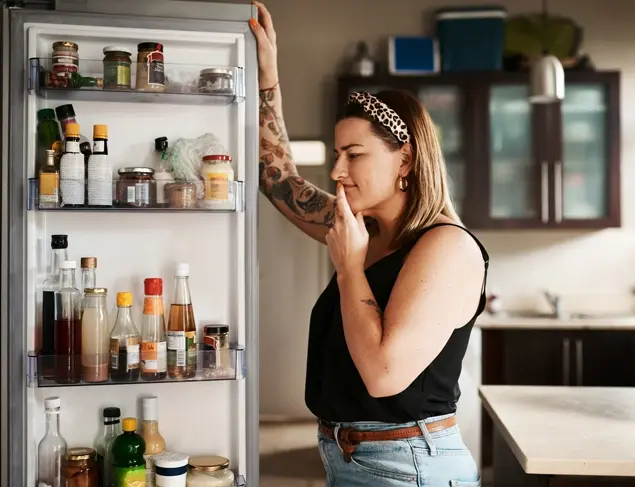

Using the hunger scale is a handy tool to help you work out “am I hungry?”.
It’s simple. Rate your hunger on a scale of zero to 10 before (and after) eating. Imagine zero is when you’re ravenously hungry, like a car that has run out of fuel while 10 on the hunger scale is for those moments where you’ve eaten until you feel sick (think Christmas day)!
Rating your hunger can help you identify if you’re actually hungry - or if it’s simply thirst. Ideally, eat when you are comfortably hungry - about 2-3 on the hunger scale - and aim to eat until you feel comfortably full at 7-8 out of 10.
3. Try the apple test
If you’re still finding it tough to work out if you’re hungry, try the apple test. Here’s how it works.
Ask yourself: Would I be willing to eat an apple now? An apple in this analogy can easily be subbed in for a salad or a carrot! The point is if you’re hungry - you’ll probably be happy to eat an apple.
This is also a useful tool to work out if you’re actually hungry or simply craving something yummy to eat. It’s true that sometimes we are hungry for things other than an apple or a carrot but it might be useful for some of us.
4. Eat your water
Still can’t decide if you’re hungry or thirsty? That’s ok! Why not eat your water. Some foods count toward your hydration level, which is wonderful news if you ask any food lover.
Fruits and vegetables tend to be high in water so there’s yet another reason to opt for this diverse food group.
If you’d like to eat your water, here are some hydrating foods to try:
- Cucumber
- Watermelon
- Celery
- Tomatoes
- Milk
- Zucchini
- Grapes
- Spinach
- Iceberg lettuce
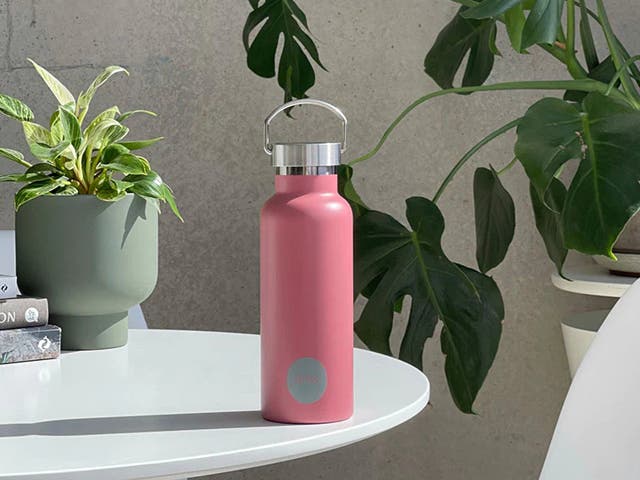
An insulated bottle, like this one from Porter Green can help keep your water at your preferred temperature.
3 simple tips to help you rehydrate with water
And of course, drinking water is an ace way to rehydrate your body and keep you hydrated. Here are some handy tips to help you maintain balance.
- Placing a jug of water on the dining table can be a great cue to help you drink more at mealtimes.
- Find your temperature sweet spot; icy cold, room temp or warm. Discover your preferred way to drink water.
- If you find you forget to drink or are simply out of the habit, carry a water bottle around with you. Look for one that doesn’t leak, that is large enough so you’re not constantly refilling it but convenient enough to carry around with you. Using an insulated bottle can also help keep your water at your preferred temperature.
Reviewed by the healthylife Advisory Board July 2022
Lyndi Cohen is one of Australia's most trusted dietitians (APD) and is a previous member of the healthylife Advisory Board. She's also the creator of Back to Basics, an app to help you be healthy without dieting. It takes the guesswork out of choosing what's for every night and helps you ditch yo-yo dieting.
You'll get quick and deliciously simple recipes inside a flexible meal planner to make planning, shopping, and cooking a breeze. Plus, access to enjoyable workouts and expert mindset tips by qualified health experts to help you stay on track. And it's pregnancy and postnatal-friendly. Start your free 7-day trial today.
Related reads










This article is for informational purposes only and does not provide medical advice, diagnosis, or treatment. Any information published on this website or by this brand is not intended as a substitute for medical advice. If you have any concerns or questions about your health you should consult with a health professional.