Score FREE delivery until Sunday when you spend $30+ on Skincare, Baby & Kids.* Visit the link below to view eligible items.
Shop nowOur NSW and QLD Health Hubs will be closed on Labour Day/King’s Birthday public holiday, Monday 5th October 2026. Orders will be dispatched again from Tuesday 6th October. For VIC and WA Health Hubs, everything’s running as usual, so your orders will continue to be processed and dispatched without delay.
Learn moreHola by Healthylife is the easiest way to see an Australian registered doctor online. Available 24 hours a day, 7 days a week, including after hours, weekends and public holidays.
Learn moreAre you one of the 1 in 5 Australians living with medically diagnosed IBS? If you are, there are some foods that may leave you feeling a little worse for wear. Fortunately for 3 out of 4 IBS sufferers, following the low FODMAP diet, developed by researchers at Monash University, may help them to feel better. Discover what a low FODMAP diet is, the foods that are low and high in FODMAPs and how the 3-step low FODMAP diet may help to relieve IBS symptoms like abdominal pain and bloating.

If you’re curious about the low FODMAP diet and how it works, our guide explains the ins and outs, including the benefits of the diet and low FODMAP foods.
This low FODMAP meal prep guide walks you through planning, preparing, and storing delicious low FODMAP meals for the week ahead.
When it comes to FODMAPs and tomatoes, not all tomatoes are created equal.
How can you get enough fibre on a low FODMAP diet? Here’s everything you need to know.
If you’ve been putting off getting on top of your IBS, make 2022 the year to do it. It’s a fresh start to a new year, so what better time to take control of your health.
Eating a low FODMAP diet can be challenging for children. Get tips from expert FODMAP dietitian Chloe Mcleod on the foods your child can eat and what they should avoid.
There's more than one thing that can trigger IBS symptoms, including stress. Find out how your mood and stress can affect IBS and why it's not a one way street.

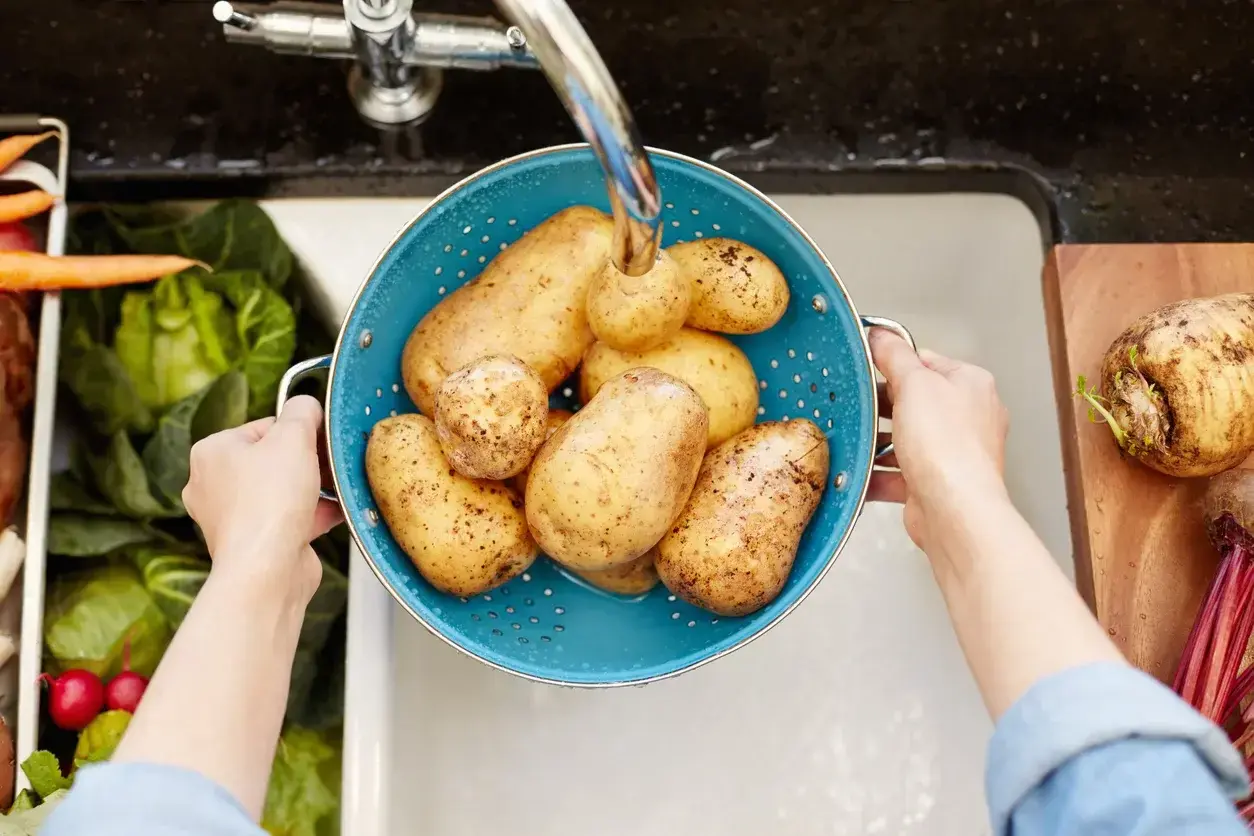
Potatoes, spuds, taters, whatever name you give this popular root vegetable, they often get a bad rap due to the misinformation about potatoes and weight gain, but they’re perfectly healthy as part of a balanced diet.

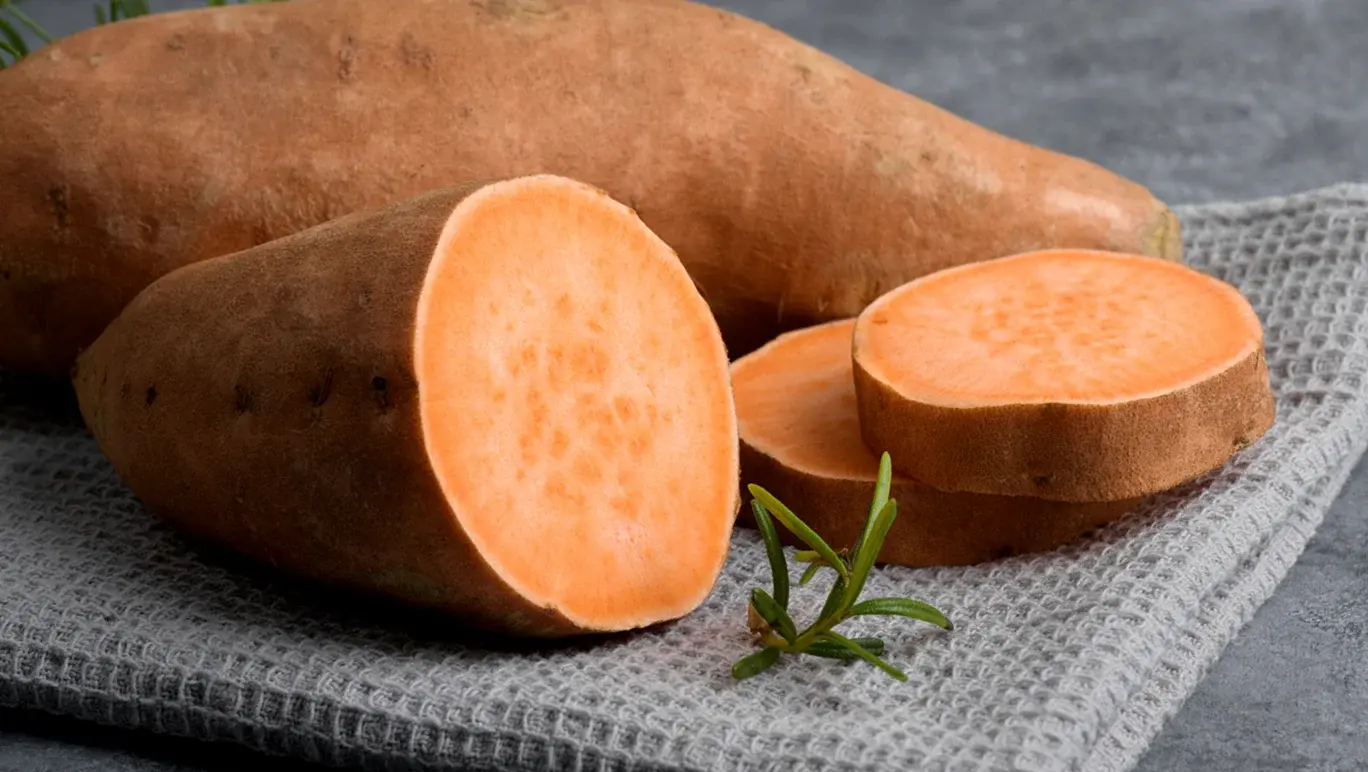
Sweet potatoes are a nutritional powerhouse. Not only do they taste great, they contain dietary fibre, vitamin A & C, specific minerals and antioxidants. Fortunately, sweet potatoes do fit in the FODMAP diet, but just like many other veggies, serving size matters.