Your gut digests the food you eat, supports your immune system and even influences your mood and levels of stress. All good reasons to take good care of it. Let’s find out how.
What is gut health and why is it important?
Gut health has certainly become the buzzword du jour when it comes to wellbeing, and as you’ll discover it’s deserving of the hype.
When we say ‘gut health’ we’re talking about your digestive system function and the balance of bacteria that is found along your gastrointestinal tract (GIT).
Gut health may potentially play a role in other things…. Imbalances in the gut aren't just signs of gut issues, it could be bigger than the gut itself.
Sarah Gray, Pharmacist & Nutritionist
The gut’s main job is digesting food, releasing the nutrients into the bloodstream and escorting the waste out the back door. It also has more than a hand in immune health with 70% of the immune system found in the gut. Plus, your gut has a close connection with your brain, called the gut-brain axis where they share important signals via nerves and hormones.
So you can see why keeping your gut health in shape is pretty important all around for health and wellbeing.
Discover the possible triggers for symptoms like abdominal pain, bloating, constipation and diarrhoea. This is the place to start if you are trying to work out what to do next!
The gut microbiome
Your digestive system is home to more than 100,000 trillion microorganisms, with at least 1000 different species of known bacteria and over three million genes. This is the gut microbiome. Weighing roughly the same as a mango, your gut microbiome is unique to you, just like your fingerprints.
The gut microbiome is a workhorse. It can digest dietary fibre, manufacture vitamin K and folate, assist the absorption of magnesium, calcium and iron, help the immune system tell friends from foe and it may even shape mood and behaviour.
3 foods for gut health
Eating a healthy diet not only nourishes you but also goes a long way to help keep your gut microbiome balanced and diverse. Prebiotics, probiotics and fermented foods top the list when it comes to a gut-friendly diet.
prebiotics
Prebiotics are a type of dietary fibre that pass through the GIT undigested. They promote the growth of beneficial bacteria in the gut. Foods include legumes, leeks and watermelon.
probiotics
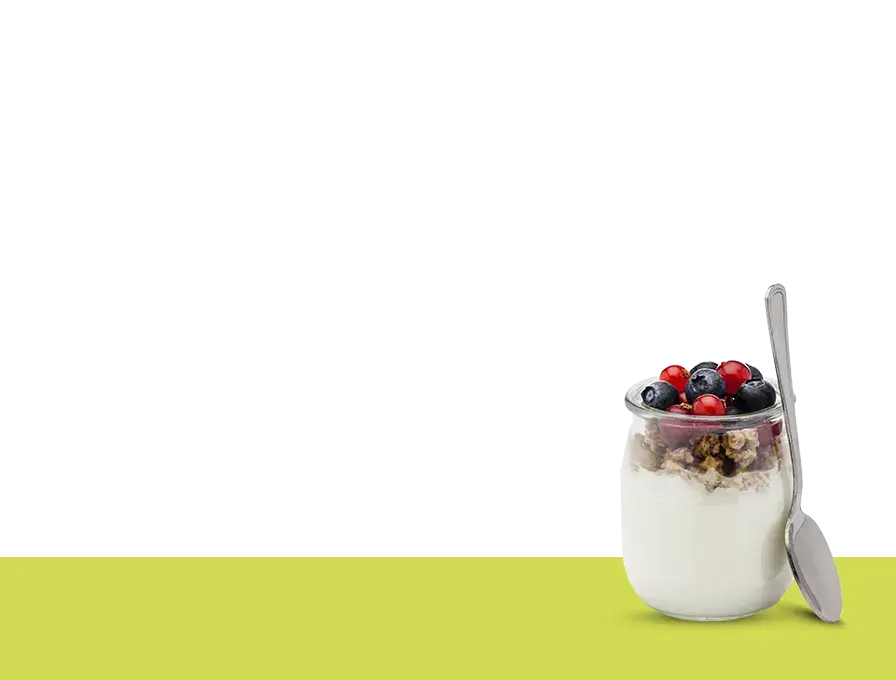
Probiotics are beneficial bacteria that help support health and keep the growth of harmful bacteria in check. You’ll find them in yoghurt and fermented foods.
fermented foods
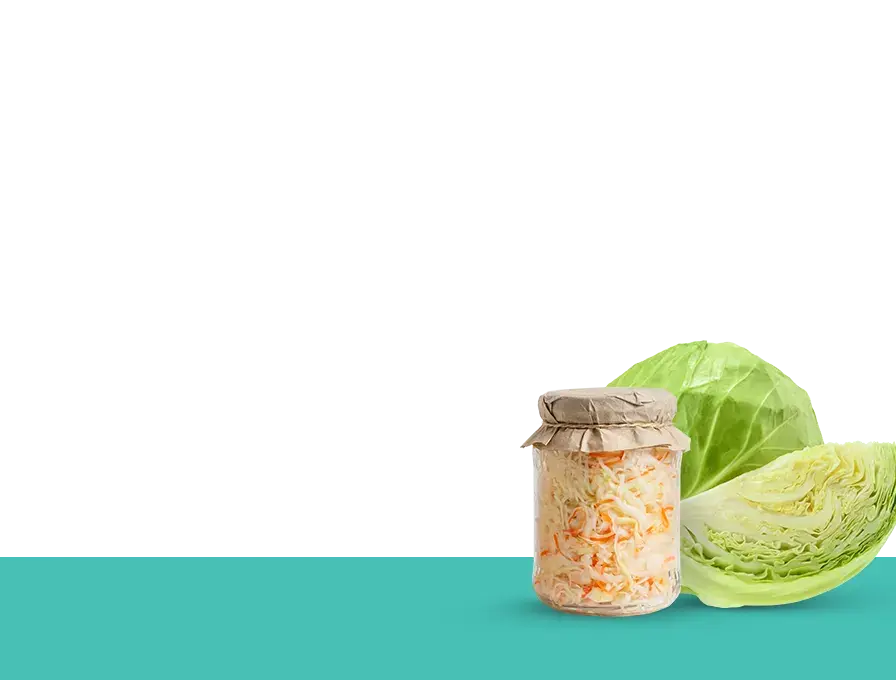
Fermented foods like yoghurt, kimchi, kefir and sauerkraut contain beneficial gut bacteria and help to increase the diversity of your gut microbiome.
shop products to support your gut
The low FODMAP diet
You may have heard of FODMAPs or a low FODMAP diet. But have you wondered what FODMAPs are? And who should be going on a low FODMAP diet?
FODMAPs stands for Fermentable Oligosaccharides, Disaccharides, Monosaccharides and Polyols. They are short-chain carbohydrates that are poorly absorbed by most individuals, particularly those with medically diagnosed irritable bowel syndrome (IBS).
The low FODMAP diet was developed by Monash University as a treatment method for IBS. Research has found that a low FODMAP diet can reduce the severity of IBS symptoms such as diarrhoea, bloating, constipation, abdominal pain and excessive wind.
Join us on this 4-week program with simple steps for following a low FODMAP diet (the gentle approach) to help you manage your IBS symptoms.
This is for informational purposes only and does not provide medical advice, diagnosis, or treatment. Any information published on this website or by this brand is not intended as a substitute for medical advice. If you have any concerns or questions about your health you should consult with a health professional.