


4 foods for gut health

It’s impressive to think there are around 100 trillion micro-organisms from bacteria to fungi, viruses and protozoa that exist in the human gut! A growing amount of research suggests that these gut bugs play an important role in your health supporting immunity, mood and oh-so much more.
While prioritising sleep and reducing stress may play a big role in improving your gut health, here are some of the best foods for your gut health - along with tips to help support a healthy gut microbiome.
1. Yoghurt
Eating yoghurt is one of the best ways to include probiotics into your diet, which may help support a healthy gut microbiome.
Check the ingredients list to make sure your yoghurt has probiotics included! Enjoying your yoghurt with flaxseeds, berries or a slightly under-ripe banana will also give you a meal with prebiotics - to help to feed those gut bugs!
2. Plain rolled oats
There is some evidence that eating a diet that’s low in fibre may make you more susceptible to certain health conditions. That’s why starting your day with a bowl of porridge might be a good choice for your gut health.
Eating foods with fibre like oats and other fibre-rich wholegrains like barley, freekeh, quinoa and brown rice not only provides your body with a healthy source of fuel, it may also help support those gut bugs.
3. Garlic
You might want to consider including foods that contain prebiotics like garlic, under-ripe bananas, Jerusalem artichokes and asparagus into your diet.
What exactly is a prebiotic? A prebiotic is a type of fibre that may help provide fuel to your gut bugs.
Keep in mind that garlic is also highly fermentable and therefore may not be good news for everyone, including those who follow a low FODMAP diet.
4.Berries, apples and avocados
Polyphenols are naturally found in some foods like fruits (including apples, avocados and berries) and vegetables, as well as cereals, dark chocolate and even coffee!
While scientists are exactly sure why or how it seems that polyphenols are another substance that can benefit your gut health and may help reduce your risk of some health conditions.
Expand your diet beyond the ‘best foods for gut health’
While some foods are particularly good for your gut health, limiting your diet to only include the ‘best foods for gut health’ may not give you the best result! If a healthy gut is what you’re after, it’s smart to also aim for plant-based diversity.
What is plant-based diversity?
How many different plant-foods did you include at your last main meal? When it comes to gut health, plant diversity matters. One of the best ways to help support your gut health is to constantly vary up the foods you eat, specifically plant foods.
The theory is that having a gut ecosystem rich with a diverse range of gut bugs may help your body buffer against environmental influences that can make you sick. Research suggests that people with conditions like inflammatory bowel disease, diabetes, and coeliac disease tend to have less bacterial diversity in their gut.
The good news? Plant-based diversity may help. And you don’t need fancy ingredients either!
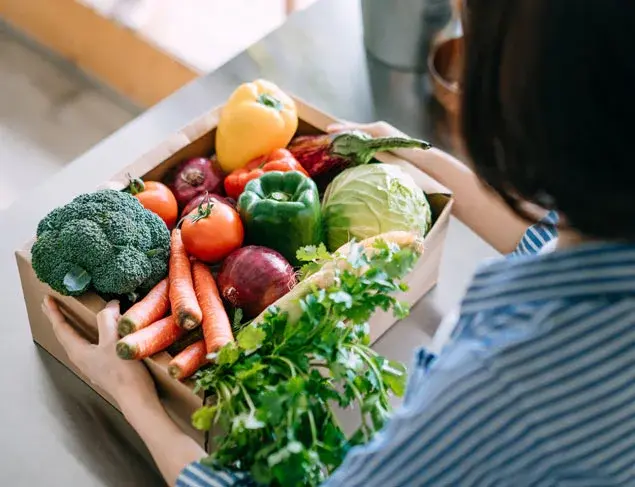
Plant-based diversity means eating a wide range of different plant foods (think legumes, beans, wholegrains, fruit and vegetables). Each plant food has a unique mix of nutrients that contributes differently to your gut microbiome.
When you go to the shops, try adding in one or two new ingredients you don’t normally buy. Always choose zucchini? Try eggplant. Gravitate toward baby spinach leaves? Try rocket or cabbage as a base for a salad. Add different seeds, nuts and fruit to your smoothie, salads or breakfasts.
Try getting a little adventurous with plant-based food groups. For example, there are so many different types of legumes and beans to sample including chickpeas, black beans, pinto beans, lentils, cannellini beans and Navy beans - the name just a few in this diverse food group.
The ultimate goal? Aim to get 50+ different plant-foods a week! Getting more plant-based diversity in your diet may also help to keep meals more interesting!
Eat seasonally
An easy way to get more plant-based diversity in your diet is to eat with the seasons. That way, you’ll naturally vary up what you eat as the month tick by.
Seasonal produce also tends to be more affordable and often travels fewer kilometres to make it to your plate - which is great for the environment (while also supporting our local farmers).
Speak to a gut-health expert
Gut symptoms are unpleasant and can make us feel icky. It can be tempting to want to self-diagnose and cut out the foods you suspect are causing you grief; however, the best thing to do is to speak to a GP and an expert nutritionist or dietitian who specialises in gut health.
For example, some people notice that they feel bloated after eating pasta and may automatically think they can’t eat wheat or gluten
Or it could be that the pasta sauce contained garlic and onion, two ingredients that can also lead to gut upsets for certain people.
So, if you do experience uncomfortable gut symptoms like diarrhoea, constipation, bloating that impacts your daily life, speak to your doctor or dietitian before cutting out whole food groups.
Reviewed by the healthylife Advisory Board August 3, 2021
Related reads











This article is for informational purposes only and does not provide medical advice, diagnosis, or treatment. Any information published on this website or by this brand is not intended as a substitute for medical advice. If you have any concerns or questions about your health you should consult with a health professional.