Calcium and women’s health

Nutrition Australia2 August 2022·2 min read
Happy woman in her kitchen wearing a black and white stripe top and apron making a calcium rich meal

Spread the word

You have probably heard of calcium before, but do you know why it is important? And what role it plays within women's health?

What does calcium do?

Calcium helps with the functioning and development of our bones, muscles, heart, nervous system, and chemical reactions.

Calcium is a bone-building nutrient, helping strengthen and build the density of our bones and teeth. Peak bone mass for women occurs by around age 30. A lack of calcium can cause osteoporosis, where our bones become brittle and fragile.

Women are most at risk of developing this later in life due to menopause. The hormone oestrogen helps maintain the structure of bones. During menopause, oestrogen levels decrease, affecting bone density. In the first 5 years after menopause, it is estimated that women will lose around 10% of their bone mass.

Women can help maintain bone density and strength by keeping up their calcium intake and performing weight-bearing exercises.

So how much do I need?

Adolescent girls need 1,300mg of calcium every day, with this decreasing to 1,000mg for women aged 19-50. Importantly, requirements increase again for women aged 51+ who need 1,300mg of calcium every day .

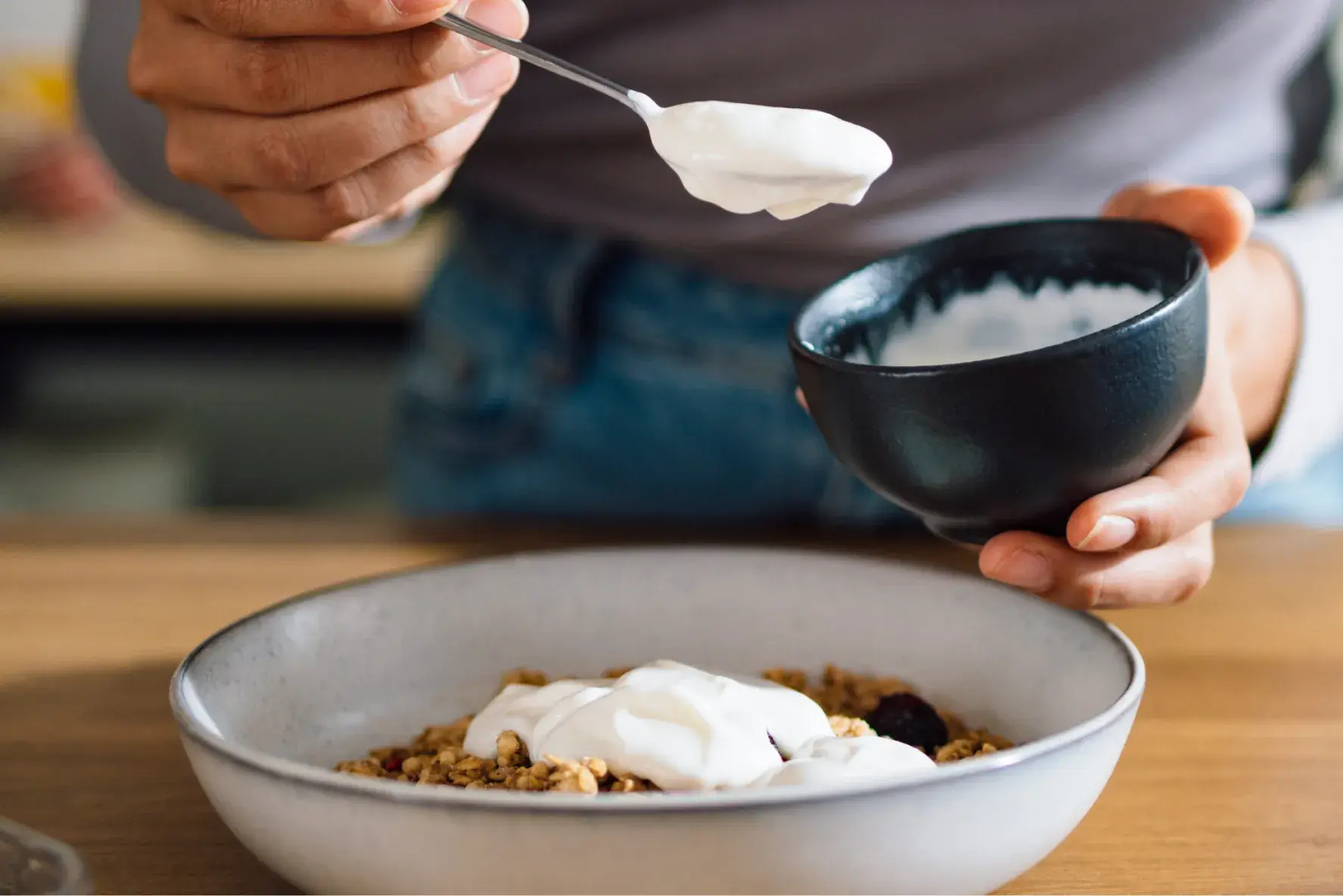
The best source of calcium is dairy foods, such as cow’s milk, cheese, and yoghurt.

Smaller amounts of calcium are found in green leafy vegetables (like broccoli or spinach), fish with bones, nuts and seeds, tofu, and calcium-fortified plant-based milk or breakfast cereals.

How can I meet my calcium requirements?

A standard serve of 300mg of calcium, can be met with:

  • 1 cup (250ml) dairy
  • 1 cup (250ml) fortified milk with at least 100mg of added calcium per 100ml
  • ½ cup of evaporated milk
  • ¾ cup (200g) yoghurt
  • ½ cup of ricotta cheese
  • 30g of almonds
  • 2 slices of cheese.

To achieve their higher calcium needs, women 50 and over are recommended to have 4 serves of dairy a day.

Can anything affect my absorption of calcium?

There are different foods, nutrients and lifestyle habits that may influence your body's ability to absorb calcium.

Vitamin D has an important role in helping our body absorb calcium. You can get most of your vitamin D by being out in the sun, with small amounts found in some foods like egg yolks, oily fish and mushrooms (putting your mushrooms out in the sunshine for 30 minutes helps increase their vitamin D content!).

Some things that can decrease calcium absorption include:

  • Increasing age
  • High sodium and potassium diets. These may cause an increase in calcium excretion.
  • Alcohol may cause an increase in calcium to be excretion. 
  • Caffeine may cause an increase in calcium to be excretion, however, a cup of coffee a day is not a problem!                                                                                                                                                                                                                                                                                                                                                                                                                                                                                                                                                                                                                                                                                                                                                                                                                                                                                                                                                                                                                                                                                     

Try this warm quinoa and chia breakfast pudding from Woolworths for a calcium-rich recipe. 

For more individualised information and advice, be sure to speak with your GP and/or an Accredited Practicing Dietitian.

Nutrition Australia is Australia’s leading nutrition non-profit organisation, providing information, education and business-to-business (B2B) consultation and advisory services to help Australians achieve optimal health through good nutrition.

Reviewed by the healthylife Advisory Board August 2022

Related reads

Women's health
The best foods for women during perimenopause and menopause
Simone Austin
Simone Austin

The best foods for women during perimenopause and menopause

Women's body's needs plenty of nutrients- maybe more so than ever when experiencing perimenopause and menopause. Here are 4 of the best foods for women to eat.

read more
Women's health
What to eat in perimenopause to thrive (not just survive)
Kate Agnew
Kate Agnew

What to eat in perimenopause to thrive (not just survive)

Perimenopause is a time of change, and it can last anywhere from 4 to 6 years for most women. Thriving during perimenopause isn’t just about managing symptoms—it’s about setting yourself up for long term health. Hormonal shifts may impact energy, mood, metabolism, and bone health, but the right nutrition can make a world of difference. Here’s how.

read more
diet
How many servings of dairy do you really need?
Simone Austin
Simone Austin

How many servings of dairy do you really need?

Unlock the goodness of dairy! Discover the benefits, recommended servings, and delicious ways to incorporate dairy into your daily life.

read more
Women's health
What should I be eating? Key nutrients for women throughout the life stages
Nutrition Australia
Nutrition Australia

What should I be eating? Key nutrients for women throughout the life stages

As we move through different life stages, our body’s requirement for certain nutrients shift, and we may need more or less of particular foods. So, what should we be eating?

read more
diet
Protein for women: what are the best sources?

Protein for women: what are the best sources?

Are your farts a bit smelly? You might be eating too much protein. Learn what you could change to reduce this pongy problem.

read more
low FODMAP diet
How to get enough calcium on a low FODMAP diet

How to get enough calcium on a low FODMAP diet

Meeting daily calcium needs can be challenging on a low FODMAP diet. Discover low FODMAP sources of calcium to include in your daily meals. Learn more.

read more
vitamins & supplements
Understanding Vitamin K2: Benefits, Sources, and Dosage

Understanding Vitamin K2: Benefits, Sources, and Dosage

As we navigate the complex world of nutrition, it's easy to miss some of the lesser-known vitamins and minerals that play a crucial role in our overall health. Enter vitamin K2: a powerhouse of a vitamin that’s here to help keep our bones, heart, and overall wellness in check. In this article, we'll delve into the world of vitamin K2, exploring its benefits, sources, dosage, and more.

read more
vitamins & supplements
The benefits of vitamin D

The benefits of vitamin D

Discover what you need to know about vitamin D - what it does, where to get and how much of this essential vitamin is recommended every day.

read more
Women's health
Creatine: How it can support women’s health
Gabbie Watt
Gabbie Watt

Creatine: How it can support women’s health

Think creatine is just for bodybuilders or those chugging protein shakes at 6am? Think again. Creatine is having a moment, and for good reason. This mighty little molecule is now being studied (and loved) for how it can support women’s health at every life stage.

read more
Women's health
Supplements for women's health through each life stage

Supplements for women's health through each life stage

Get the 411 on how women’s nutritional needs evolve through different life stages such as menstruation, pregnancy, breastfeeding and menopause.

read more

Spread the word

This article is for informational purposes only and does not provide medical advice, diagnosis, or treatment. Any information published on this website or by this brand is not intended as a substitute for medical advice. If you have any concerns or questions about your health you should consult with a health professional.