


It’s time to talk about peanut butter
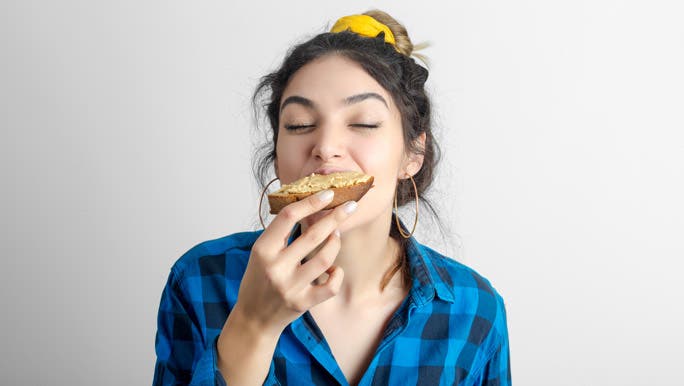
Let’s look at some facts.
It’s delicious: fact. It partners perfectly with warm toast: fact. It’s healthy… let’s have a chat about that one.
Why can’t we give you an instant answer?
It’s because there is a lot of information (and misinformation) surrounding peanut butter – not to mention a lot of variety within the individual recipes used to create this heavenly food. But first, some history.
Who invented peanut butter?
No one knows exactly who first invented peanut butter. According to the US National Peanut Board, (yes, that’s a thing), the ancient Incans grew and ate a lot of peanuts. So we guess they might have also ground them up every now and then?
Is peanut butter gluten-free?
Short answer: it should be, but you may want to check.
Peanuts are gluten-free, so peanut butter can be too. BUT… it really comes down to the manufacturing facility that makes the peanut butter.
Even if all ingredients are free from gluten, for peanut butter to be labelled as ‘gluten-free’, the factory that makes it needs to adhere to strict regulations.
Companies aren’t allowed to put ‘gluten-free’ on the label if they manufacture other gluten-containing products on-premise.
There are plenty of gluten-free options, though. Just check the labels to find them.
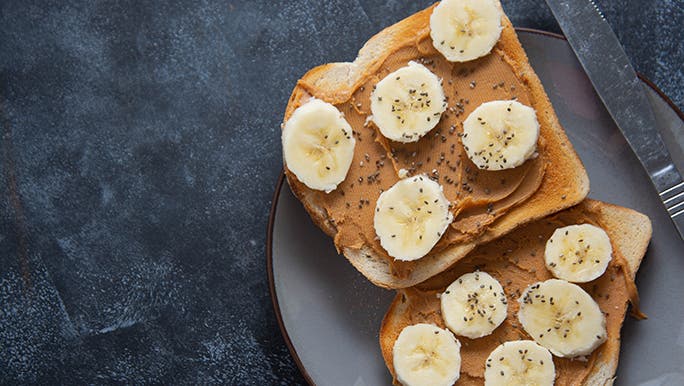
While peanut butter is healthy for you, it’s energy-rich, so moderation is the key.
Is peanut butter healthy?
Dietitian and nutritionist Lyndi Cohen says that, “Peanut butter is a nutritious food containing many vitamins and minerals, including E, B3, B6, magnesium, iron, copper and manganese.”
It’s also a great source of healthy fats. So really, the only thing unhealthy about it is the diet culture narrative that puts every food into a ‘good’ or ‘bad’ category.
“But like many things in life, not all peanut butters are created equal,” Lyndi adds. “Look for 100% peanuts with a dash of salt as the only extra ingredient.”
Lyndi also recommends eating a varied diet, where peanut butter is just one source of the important nutrients above.
And what about the hiccups?
For your last pressing questions, should you eat peanut butter off a spoon? And, if you do, will that get rid of your hiccups?
Well, peanut butter eaten off a spoon is definitely delicious – but be mindful of portion size. While it’s healthy for you, it’s energy-rich, so moderation is the key.
As for the second question, there’s no conclusive evidence that peanut butter helps hiccups. But there’s also no proof that it doesn’t.
So we say ‘try it and see – then do whatever works for you’!
Lyndi Cohen is a media Nutritionist and Dietitian who regularly appears on Aussie TV screens and in magazines with the goal of reaching as many people as possible. She is all about cutting through the sea of wellness misinformation with common sense and scientific data.
Reviewed by the healthylife Advisory Board August 2021.
Related reads











This article is for informational purposes only and does not provide medical advice, diagnosis, or treatment. Any information published on this website or by this brand is not intended as a substitute for medical advice. If you have any concerns or questions about your health you should consult with a health professional.