


Nutraceuticals: What are they and how can we include them in our diets?

Did you know there are foods we can include in our diet which not only provide nutrition but also offer other benefits to our health?
“Nutraceuticals”, a term coined in 1989 by Dr. Stephen DeFelice, describes non toxic food ingredients which may reduce the risk of disease or improve disease outcomes. This is not the first concept of this nature and has featured in many traditional cultures across the globe.
It’s important to consider nutrition as a partner to medicine for the benefit of our health.
What are nutraceuticals?
A Nutraceutical is a product made from ingredients which have been isolated from nature (plants, animals and the ocean, for example) which may offer us health benefits beyond basic nutrition. Some of these beneficial elements might be fibre, protein, antioxidants, vitamins, probiotics, or polyunsaturated fatty acids.
For example, psyllium (fibre), collagen (protein), green tea and manuka honey (antioxidants), and fish oil (polyunsaturated fatty acid).
Nutraceuticals are supplied as supplements available in capsules, tablets, liquid or powder form, or added to food (fortified), and many can be easily added to the diet.
How can nutraceuticals be added to the diet?
There are many ways we can bring nutraceuticals into our life as part of a healthy wholesome diet.
Let’s look at a few suggestions.
Beta-Glucan
Beta-Glucan is a soluble fibre found in oats which forms a gel-like substance in the intestine. Research shows it may reduce cholesterol and lower blood glucose and insulin after eating.
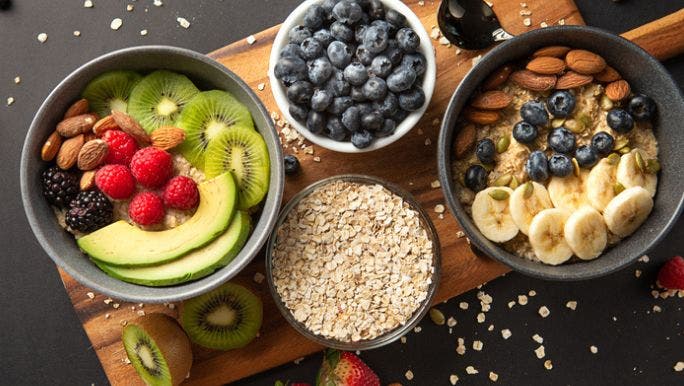
Beta-Glucan can be added to foods such as breakfast cereals, yoghurt, fruit or shakes, or consumed in water on its own. Note: it may contain gluten-like substances which some individuals may be sensitive or allergic to.
Oats, barley and psyllium husks
These foods are high in soluble fibre which help the healthy microbiota in the gut and support overall well being. They may offer a moderate reduction in low-density lipoprotein cholesterol (LDL cholesterol). Low-density lipoprotein cholesterol is often described as “bad cholesterol” because too much in our blood can be harmful for our health. The good news about fibre is that it can be added to many foods.
Phytosterols
Phytosterols are ingredients which have a structure similar to cholesterol and when consumed may compete with cholesterol for absorption - reducing LDL cholesterol. Phytosterols are found naturally in seeds, nuts, grains and vegetable oils. Nutraceutical sources are often obtained from soy, sunflower and corn.
Collagen
Collagen is a protein produced by the body and an important structural protein found in skin, tendon and bone. As a “nutraceutical”, collagen may be of benefit for improving joint health; skin hydration and elasticity, and other areas where a loss of collagen has had an effect.
Probiotics, prebiotics and synbiotics
A quick breakdown on what’s what:
- Probiotics are live microorganisms considered beneficial bacteria and yeasts.
- Prebiotics are components in food that promote the growth of probiotics - such as inulin and dietary fibre.
- Synbiotics are a combination of probiotics and prebiotics.
Probiotics are considered beneficial for digestive health. As a “nutraceutical”, they come in powder or capsule form and can be provided in the diet through dairy-based functional foods such as yoghurt and kefir; plant-based fermented vegetables such as kimchi and sauerkraut; fermented foods such as kombucha, miso, natto and tempeh; and sour dough bread.
Green tea
Research has shown there are health benefits associated with Green tea. The main ingredient associated with research is (−)-epigallocatechin-3-gallate (EGCG) shown to offer antimicrobial, anti-inflammatory and antioxidant actions with benefits seen in oral and cardiovascular health. Enjoy your cup of green tea.
Super charge with Spirulina
Spirulina is a nutritious, micro-algae rich in protein, antioxidants, essential fatty acids and ingredients which may be of benefit to our health. Spirulina may help us by supporting our immune system, helping to reduce inflammation and helping to keep our beneficial microbes in balance. Spirulina can be added to fruit juice or yoghurt.
Spice up your life with turmeric and ginger
Ginger contains gingerols and shogaols, which may help with nausea, arthritis and pain. Turmeric is not only pretty but also pretty awesome in offering a range of health benefits, especially its anti-inflammatory action. The active ingredients found in turmeric are curcuminoids. Turmeric and ginger can be added to many foods or drinks.
Manuka honey
What makes manuka honey special? It contains an ingredient called “methylglyoxal” - MGO for short. MGO is good for its antibacterial and anti-inflammatory properties.It also contains antioxidants and is only found in manuka honey. Add some manuka honey to your toast, drizzle on breaky cereal, add to yoghurt - there are many ways to add a bit of honey sweetness to your diet.
In summary
A nutritious diet of fruits, vegetables and legumes; meat, poultry and fish; cereals, nuts, seeds, eggs, dairy and dairy-based foods contains the nutrients to support health and wellbeing - protein, carbohydrates, fats, vitamins and minerals, and phytonutrients. Products which offer more than just their nutritional value, “nutraceuticals”, can be added for the extra benefits they may provide.
This article contains general health care information only. Please speak to a healthcare professional for health or wellness advice which is specific for your needs.
Reviewed by Healthylife health experts September 2023
Related reads









This article is for informational purposes only and does not provide medical advice, diagnosis, or treatment. Any information published on this website or by this brand is not intended as a substitute for medical advice. If you have any concerns or questions about your health you should consult with a health professional.
About this article

Lorna Cousins
Lorna Cousins is a qualified naturopath, nutritionist, herbalist, remedial massage therapist and beauty therapist and a member of Australian Traditional Medicine Society (ATMS). Lorna is passionate about empowering people through education. She loves to provide evidence-based information from which people can make informed decisions about their health to enable them to live the best life they can. Lorna also has a long history in the health and beauty industry as a consultant and in her own naturopathic practice.