


Oral Microbiome: What is it and how to support it?
Did you know you have bugs in your mouth? Not the crawling kind! Your mouth is home to a fascinating world of microorganisms, known as the oral microbiome. While bacteria often get a bad rap, the right balance of microbes in your mouth plays a vital role in keeping your teeth and gums healthy. But when this balance is disrupted, it can contribute to cavities, gum disease, and even impact your overall health. So, what exactly is the oral microbiome, and how can you support it?
What is the oral microbiome?
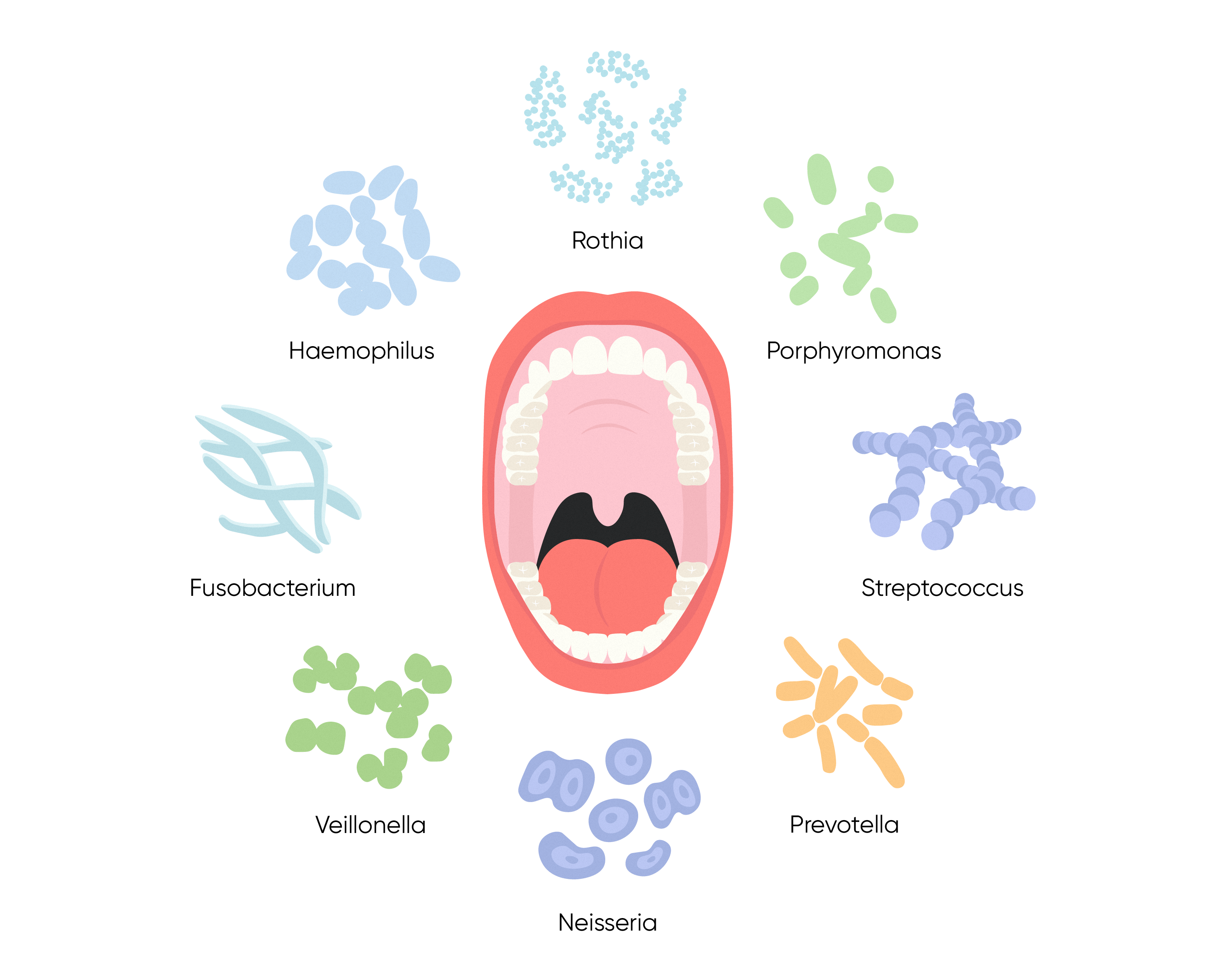
The oral microbiome is a diverse and complex community of bacteria, fungi, and viruses that live on your teeth, gums, tongue, and in your saliva. It contains both good and bad bacteria, coexisting in a delicate balance. When the good bacteria outnumber the bad, they help protect against cavities, gum disease, and even bad breath.
Why it’s important
A well-balanced oral microbiome is essential for maintaining strong teeth and healthy gums. Good bacteria help prevent the overgrowth of harmful microbes that cause tooth decay and gum inflammation. They also help in breaking down food and supporting digestion.
Whilst oral microbiome research is still evolving, it suggests that the oral microbiome may also play a role in heart disease and the immune system’s ability to fight infections.
Factors such as poor diet, smoking, and excessive alcohol consumption can tip the balance in favour of bad bacteria, leading to oral health issues such as dental cavities and increase the risk of other diseases.
How it’s connected to your overall health
Your oral health is more than just a bright smile—it’s a window into your overall wellbeing. Research has linked poor oral health to various systemic conditions, including heart disease, diabetes, and even Alzheimer’s disease. This is because when harmful bacteria thrive in the mouth, they can enter the bloodstream and contribute to disease in other parts of the body.
How can you improve your oral microbiome?
The good news is that simple lifestyle choices can help support a balanced oral microbiome. Here’s what you can do:
- Drink water: Water is essential for oral health. It helps wash away food particles, neutralises acids, and promotes saliva production. Saliva acts as a natural defense system, helping to keep harmful bacteria in check. Choose water as your main drink and limit sugary or acidic beverages like soda and fruit juices.
- Eat your veggies: Crunchy, raw vegetables like carrots, celery, and cucumbers stimulate saliva production, which helps maintain a balanced oral microbiome.
- Have a well-balanced diet: Eating a diet in line with the dietary guidelines, supports overall health as well as the oral microbiome. Calcium and vitamin C are especially important for keeping your teeth and gums healthy. Calcium, found in dairy and leafy greens, helps keep your teeth strong, while vitamin C, from fruits and veggies, helps keep your gums in top shape.
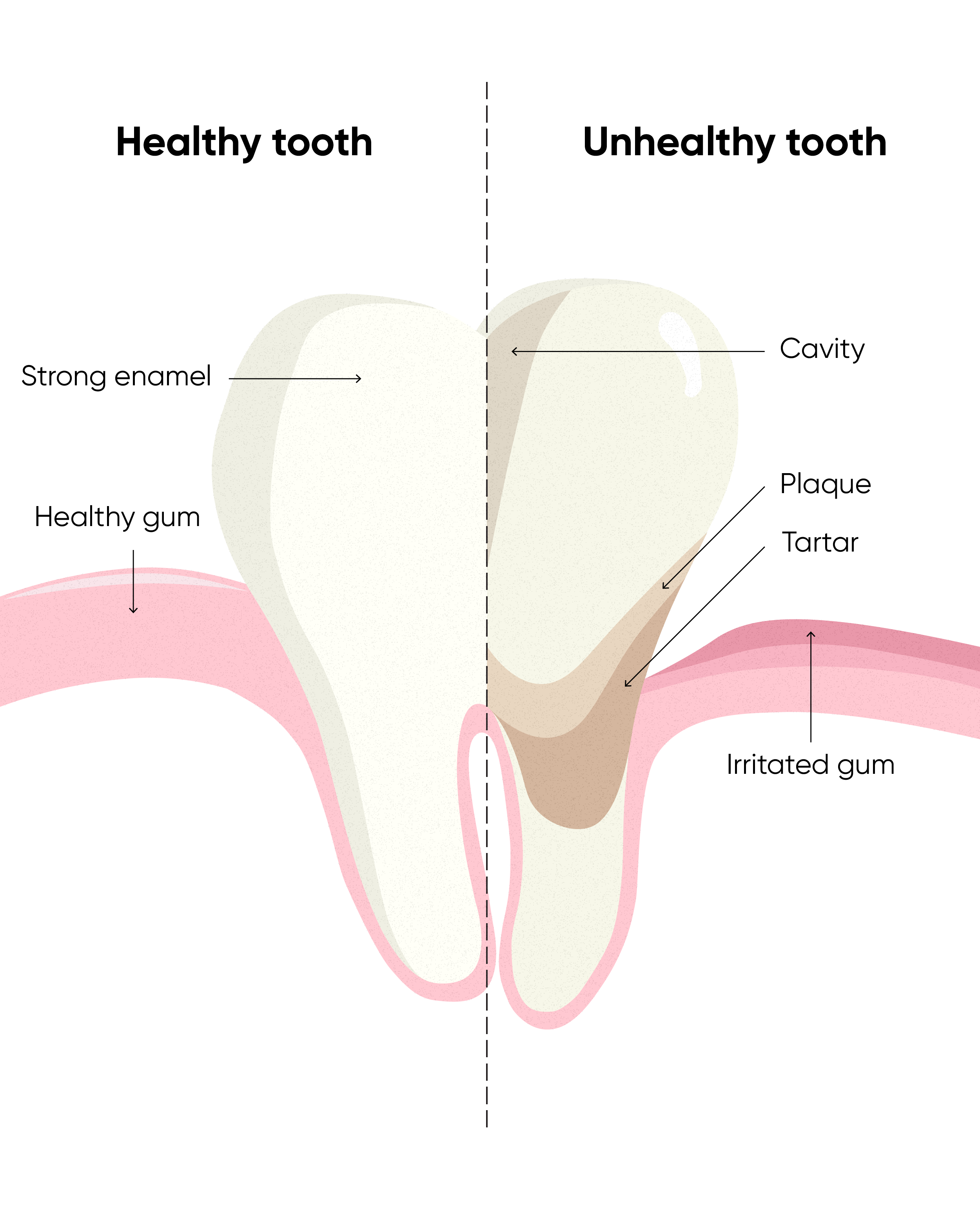
- Brush and floss daily: This helps to remove the build up of food and plaque on and between the teeth. When plaque isn’t removed, it contributes to cavities and gum disease.
What should I be mindful of?
- Sugary foods and drinks: Foods and drinks that are heavily processed and high in sugar can feed the bad bacteria, increasing the risk of cavities and gum disease.
- Mouthwashes: Not all mouthwashes are created equal. Some contain antibacterial agents that eliminate both good and bad bacteria, potentially disrupting your oral microbiome. Before using a mouthwash, consult with your dentist to choose one that supports rather than harms your microbiome.
- Smoking and alcohol: Both smoking and excessive alcohol consumption can negatively impact the oral microbiome. Smoking reduces oxygen levels in the mouth, allowing harmful bacteria to flourish, while alcohol can create an environment where bad bacteria thrive. Cutting back or quitting these habits can significantly improve your oral health.
Should I take a supplement for oral microbiome health?
There is some research to suggest that a probiotic may help to support the oral microbiome by introducing beneficial bacteria to the digestive tract. Talk to your healthcare professional for individual advice.
The bottom line
A healthy oral microbiome is essential for healthy teeth, fresh breath, and overall wellbeing. By making small changes—drinking water, eating veggies, and avoiding harmful habits—you can support the good bacteria in your mouth and keep the harmful ones in check. Remember to brush and floss regularly, see your dentist for routine checkups, and be mindful of the products you use. A balanced oral microbiome is not just about a bright smile—it’s a key part of your overall health journey.
Related content:
- The surprising link between oral health and overall wellbeing
- A reason to smile: popular oral health questions answered
Reviewed by the Healthylife health experts February 2025.
Related reads













This article is for informational purposes only and does not provide medical advice, diagnosis, or treatment. Any information published on this website or by this brand is not intended as a substitute for medical advice. If you have any concerns or questions about your health you should consult with a health professional.
About this article

Kate Agnew
Kate is passionate about innovation and problem-solving in health & nutrition. Her goal is to ultimately create a healthier environment for all Australians. In 2023, Kate was awarded the Young Achiever Award from Dietitians Australia.