


Pelvic floor not what it used to be?

Key points
- Pelvic floor muscle training (PFMT) may significantly improve the quality of life of women with pelvic floor related issues.
- Strengthening and moving your pelvic floor muscles helps stabilise your growing pelvis during pregnancy.
- Our expert believes all women should see a physio after birth to monitor their level of abdominal separation.
- There’s no reason to accept pelvic floor issues or incontinence as part of life. Reach out to your GP and get the conversation started.
Mum, can you jump on the trampoline with me?
It seems like a simple request – but for 38% of Australian women, pelvic floor status is a factor in how they answer it.
The good news is that there are ways to reverse pelvic floor damage – and for the most part, they’re non-invasive. Often, it’s through simple exercises.
A 2018 literary review found that pelvic floor muscle training (PFMT) significantly improves the quality of life of women with pelvic floor related issues. And it’s an effective treatment for urinary incontinence in women.
We talked to Gabrielle Petterwood, Personal Trainer, about the best exercises in various stages of pregnancy and beyond.
But first...
What is the pelvic floor?
The Continence Foundation of Australia describes the pelvic floor as:
“The pelvic floor muscles span the bottom of the pelvis and support the pelvic organs (bladder and bowel, and uterus (womb) in women).”
So, what’s the big deal? These muscles are responsible for bladder and bowel control, so incontinence can and does become an issue when they’re not working.
Often, in pregnancy your abdominal muscles may separate and not return to normal – a condition called diastasis recti. Because your abdominal muscles work alongside your pelvic muscles, this may contribute to incontinence and other related problems.
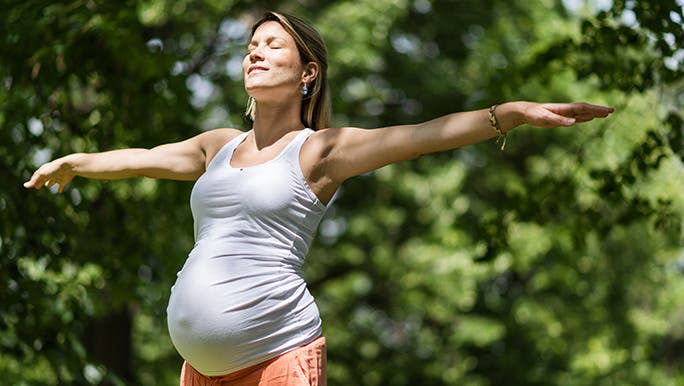
A 2018 literary review found that pelvic floor muscle training (PFMT) significantly improves the quality of life of women with pelvic floor related issues.
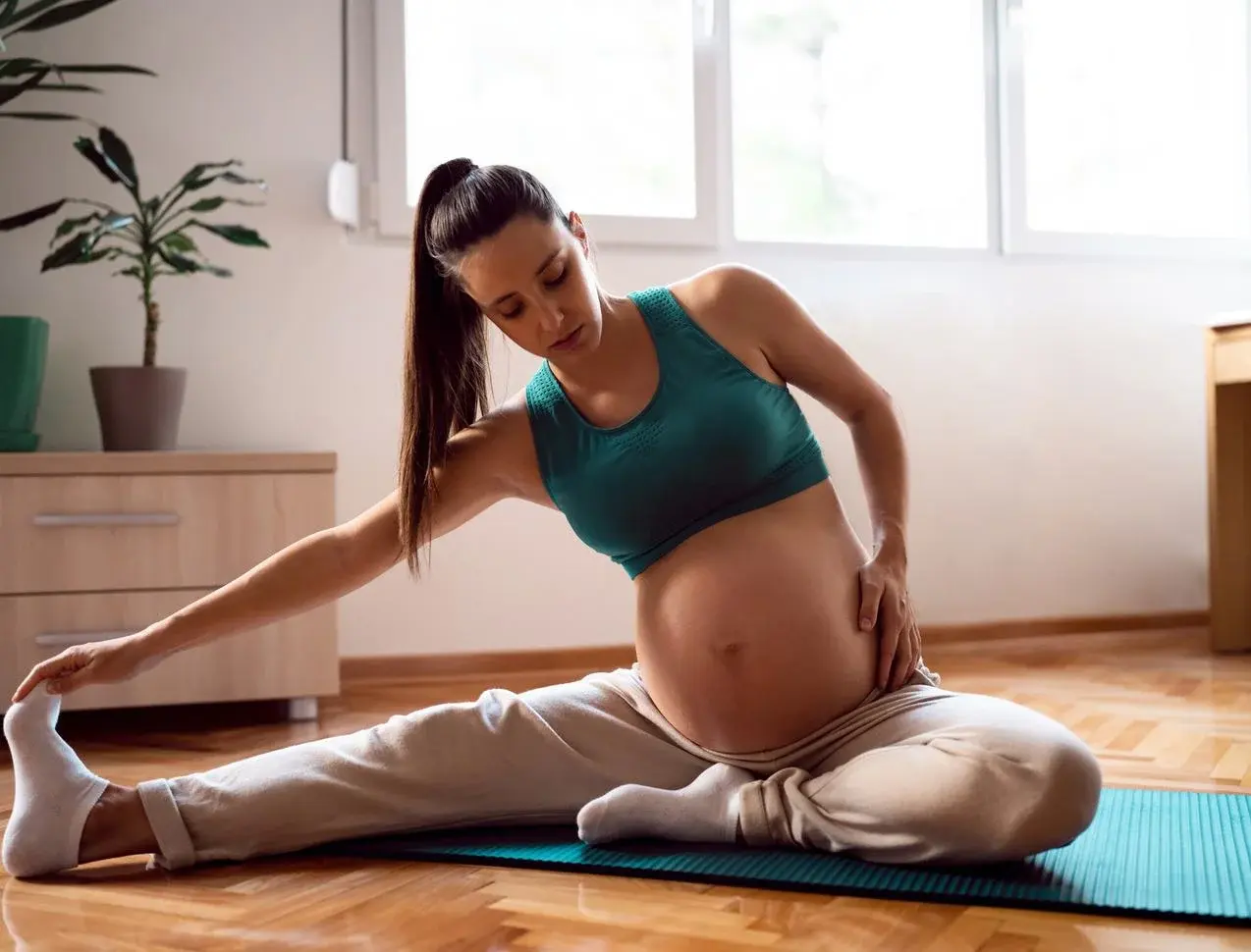
Pelvic floor exercises in pregnancy
Gabrielle says, “It's really important to build up your pelvic floor because that's essentially the stabiliser in your pelvis.”
Why? She explains that these muscles hold your pelvic structure together. So, strengthening and moving these muscles helps stabilise your growing pelvis during pregnancy.
“When everything's moving so much, having a strong pelvic floor can also minimise pelvic pain and lower back pain,” she explains.
So, what exercises can you do when you’re pregnant to support a healthy pelvic floor?
Gabrielle says, “If you sit and simply practice drawing up through your pelvic floor, you can get a feel for how it feels to switch it all on. Then you can progress from there, going into seated knee lifts and other similar activities.”
Gabrielle also recommends yoga pelvic floor exercises and prenatal Pilates. Continence foundation Australian lists these easy exercises.
Depending on where you are in your pregnancy, changing up your pelvic floor movements is recommended to avoid laying on your back in the second and third trimesters.
While you’re at it, read our guide on how to get better sleep while pregnant.
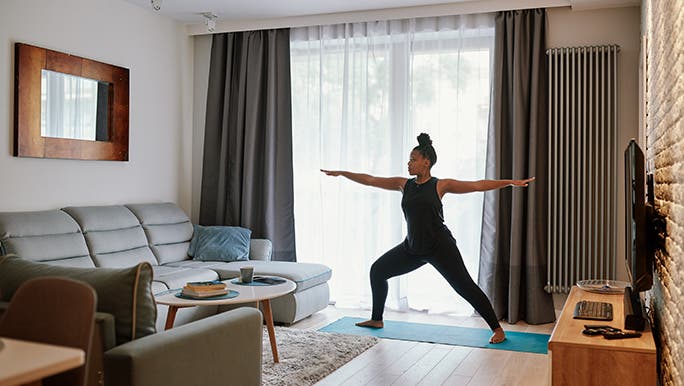
The pelvic floor muscles are responsible for bladder and bowel control, so incontinence can and does become an issue when they’re not working.
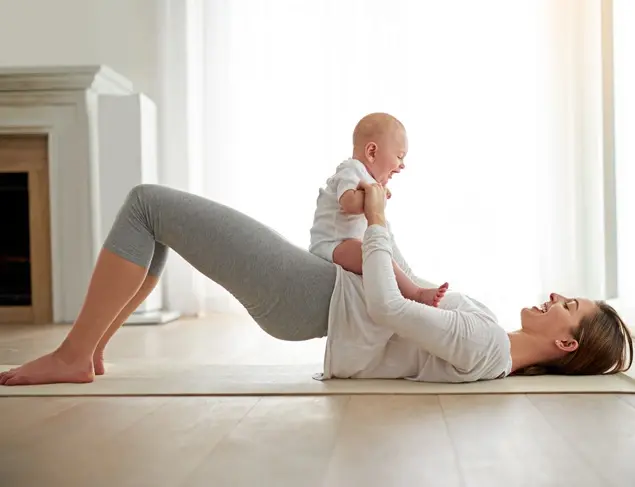
Pelvic floor exercises for postpartum
Gabrielle believes all women should see a physio after birth to monitor their level of abdominal separation.
Why?
Because she has worked with numerous women who went back into exercise after childbirth without the proper aftercare and some have ended up needing surgery.
“It's really important to go see a physio so they can tell you how much abdominal separation you have and monitor it. It’s up to the woman to make sure that they book a follow-up appointment. Often, they are feeling fine and then a couple of years later they notice changes in their pelvic floor – incontinence, hip pain, back pain, etc,” she says.
We’ll follow her advice and tell you that the best pelvic floor exercises you can do postpartum are the ones recommended by a physio or other pelvic floor specialist.
So, after you write your birth plan, go ahead and make a note to book in and see a physio. Don’t just focus on how to be a good mum – make sure you’re looking after yourself also.
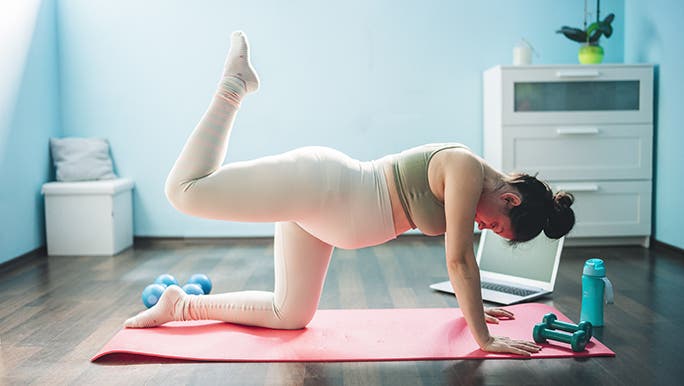
Strengthening and moving these muscles helps stabilise your growing pelvis during pregnancy.
Pelvic floor exercises following hysterectomy
After a hysterectomy, pelvic floor strengthening exercises are usually similar to postpartum ones, depending on if there are any complications.
It’s important, as with any operation, that you follow the advice of the consulting doctor. They can refer you to a specialist if needed.
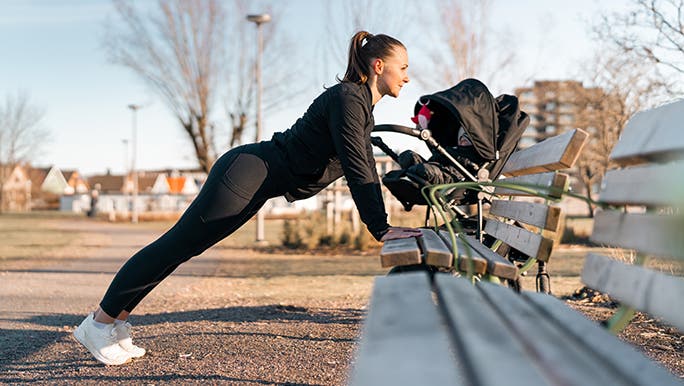
There’s no reason to accept pelvic floor issues or incontinence as part of life. Reach out to your GP and get the conversation started.
Moving forward stronger
There’s no reason to accept pelvic floor issues or incontinence as part of life. Reach out to your GP and get the conversation started.
There’s lots of interesting research around the topic currently taking place. But unfortunately, we still don’t have conclusive evidence to tell us if a woman can hear the words ‘pelvic floor’ and refrain from doing Kegels. We suspect not, though.
Related:
Gabrielle Petterwood is a Personal Trainer with a holistic approach to fitness, nourishing the body with fresh foods and living a healthy and balanced lifestyle to realise full body health.
Reviewed by the healthylife Advisory Board September 2021.
Related reads












This article is for informational purposes only and does not provide medical advice, diagnosis, or treatment. Any information published on this website or by this brand is not intended as a substitute for medical advice. If you have any concerns or questions about your health you should consult with a health professional.