


Rapid antigen testing for home use - but what is it?
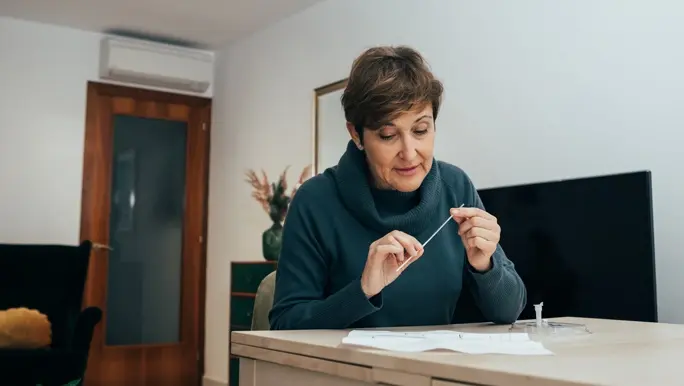
Testing yourself at home for COVID-19 without a health professional is now a common way to assess if you are in fact positive or negative with the virus.
Here's what you need to know.
What are rapid antigen tests?
Rapid antigen tests are a screening tool used to help detect potential COVID-19 virus indicators which can usually display the results within just 15 to 30 minutes.
They are not however a diagnostic tool that can definitely test or establish the presence of COVID-19. Always check with your doctor if you need further advice on your potential diagnosis of COVID-19.
An antigen, such as a viral protein, is a substance which the body recognises as harmful or foreign, resulting in the immune system producing antibodies against it.
The rapid antigen tests generally work by trying to detect whether your body has produced antibodies to the COVID-19 virus, however they do not provide a diagnosis of COVID-19 infection.
How do you use them?
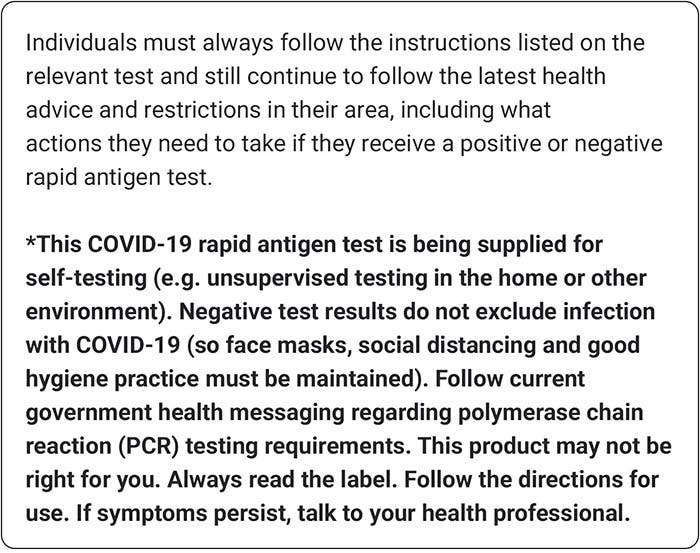
Note: Individuals must always follow the instructions listed on the relevant test and still continue to follow the latest health advice in their area, including what actions they need to take if they receive a positive or negative rapid antigen test.
Each test has its own unique and special instructions and the product may not be right for you or allowed to be used in your state or territory.
You will need to read the label and follow the product instructions prior to use and follow the guidance recommended by your national and local health departments.
For more information speak to your GP or healthcare professional.
How long does the test take?
Most tests display the result within 15 to 30 minutes. The instructions will usually specify how long you need to wait for the result to appear. Before taking a Rapid Antigen Test, always read the instructions provided.
Are rapid antigen tests accurate?
You can check the clinical sensitivity of the brand of rapid antigen test you have at this website: https://www.tga.gov.au/products/covid-19/covid-19-tests/covid-19-rapid-antigen-self-tests-home-use/covid-19-rapid-antigen-self-tests-are-approved-australia
Can they be a false positive?
In some cases, tests may show a false positive. This could be due to a variety of reasons, such as timing of the test or the method used.
Depending on the test’s clinical sensitivity, a test may not always detect COVID-19 .Please consult with your doctor if you are unsure.
Reviewed by the healthylife Advisory Board November 2023
Related reads
Gut Microbiome Test: What is it and should you do one?
By now you may have heard of the gut microbiome and its key role in our health and wellbeing. So what happens when it's out of balance, and how do you know? That's where gut microbiome testing comes in.

What to put on your annual health check up list
Staying on top of exactly when you need regular health checks can be a challenge. We spoke to Dr Jill Gamberg, GP, about which health checks you need and how often you should get them done.


Sick again? When to ride it out, and when to see a doctor
The cooler weather is here and while this is a relief after a long, hot summer and autumn, it also means the cold and flu season is back. Winter is the peak time for the sniffles, which can lead to unwelcome viral upper respiratory tract infections, colds and flus.


Cancer Screening: How it works & when to have one
Screening for any disease is a big topic. Cancer screening, specifically, is an important topic. This is because, as of 2024, it is estimated that around two in five people will be diagnosed with cancer by the age of 85. For cancer, an early diagnosis is critical. Screening is a part of early diagnosis, but it's a complex topic. Let’s break it down.


How to stay healthy this winter
Cold and flu season is nearly upon us and Australians are bracing for the possibility of a particularly bad cold and flu season. Prepare to stay healthy as the temperatures drop to help you stay healthy this winter.

Having a blood test? Here are the answers to common questions
Questions about blood tests are super common, so we thought we’d answer some of them for you.
Your immune game plan: What to do at the first sign of sickness
You notice a tickle in your throat; your head’s a little foggy and you’re reaching for the tissues more than usual. Sound familiar?


Stay ahead: essential health checks for women
Women’s bodies go through many changes over a lifetime, which means the checks you need will vary depending on your age and life stage. From early adulthood to midlife and beyond, here’s your complete guide to staying on track.

Tips on staying well in self isolation
Have you found yourself having to self isolate? Get expert tips from Dr Nikki Stamp and Simone Austin on how to take care of you when you're in isolation.

Your first aid kit checklist
When was the last time you checked your home first aid kit? Here’s what you need to know about how often to check it and what to include.
This article is for informational purposes only and does not provide medical advice, product advice, diagnosis, or treatment. Any information published on this website is not intended as a substitute for medical advice. If you have any concerns or questions about your health you should consult with a health professional and follow government guidelines.