


How to reduce inflammation
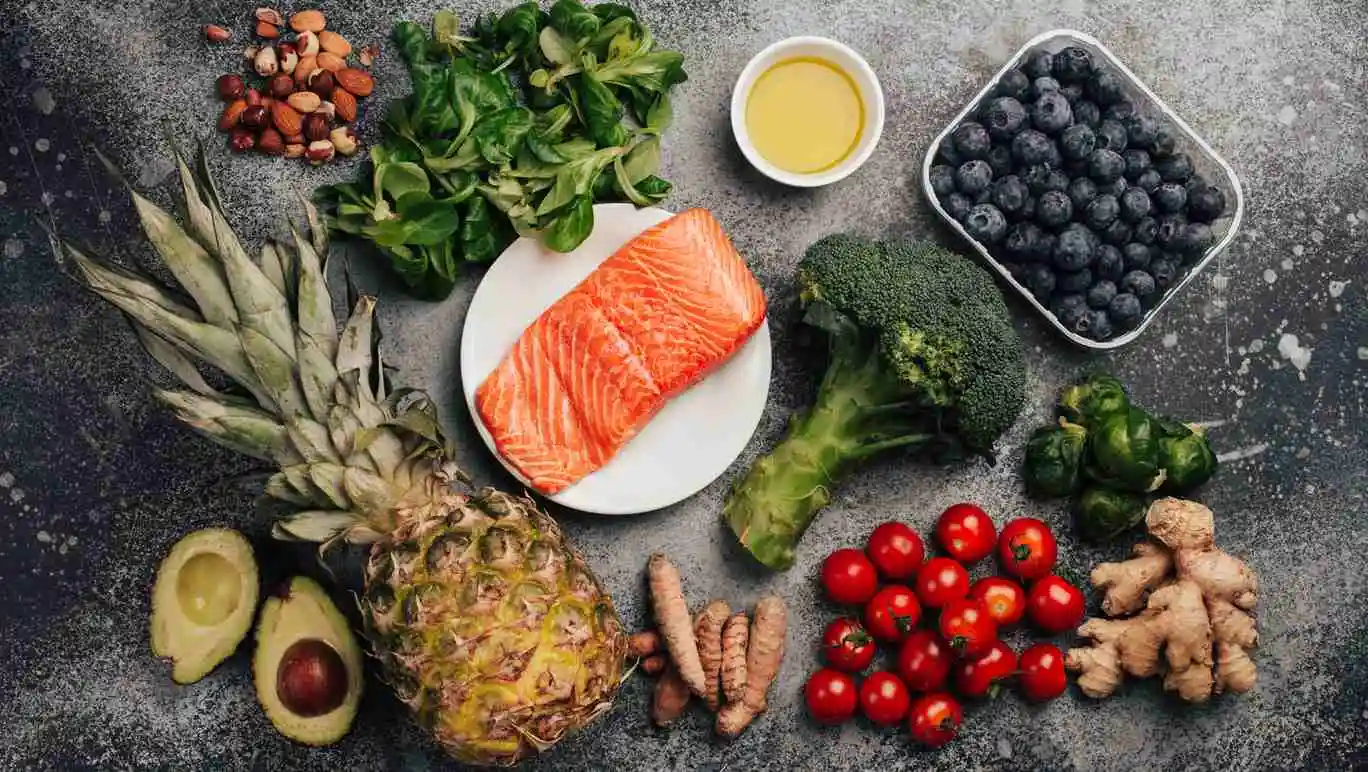
Inflammation is the body’s natural response to injury, infection, or stress. It's a protective mechanism that helps in healing and fighting off harmful invaders. However, when inflammation becomes chronic, it can contribute to various health issues like heart disease, arthritis, and auto-immune conditions. So, if you’re feeling like your body’s been on high alert for way too long, reducing inflammation can be a game-changer for your overall wellbeing. Let’s dive into how you can tackle it from all angles like food, activities, and more.
What is inflammation?
Inflammation is your body’s response to threats like pathogens (think germs), damaged cells, or irritants. There are two types:
- Acute inflammation: Short-term, and often a good thing, like when you sprain your ankle and your body sends help to heal the area.
- Chronic inflammation: When this response becomes prolonged and doesn’t shut off when it should. This is the type we’re concerned about, as it’s linked to various diseases.
Now, onto how you can pump the brakes on that chronic inflammation.
Ways to reduce inflammation
Foods
Certain foods can either increase or decrease inflammation. The ones we’re after are those that soothe the flames and promote balance. But in order for these foods to make their mark, it's important to consume them regularly.
Fatty fish
Such as salmon, mackerel, sardines. These fish are rich in omega-3 fatty acids, which are renowned for their anti-inflammatory effects. Omega-3s help to reduce the production of inflammatory molecules and proteins.
Berries
Like blueberries, strawberries and raspberries. These little guys pack a punch when it comes to antioxidants. Specifically, they contain anthocyanins, which are compounds that help reduce oxidative stress and inflammation in the body.
Leafy greens
Think spinach, kale, rocket and herbs. These are full of vitamins, minerals, fibre, and anti-inflammatory goodness. Their high content of antioxidants and flavonoids helps to combat the inflammation-causing free radicals in the body.
Turmeric
Curcumin, the active compound in turmeric, has powerful anti-inflammatory properties. It’s been shown to block the molecules that trigger inflammation. Plus, pairing it with black pepper enhances its absorption. Hello, delicious curries!
Olive oil
Packed with monounsaturated fats and polyphenols, olive oil (especially cold-pressed, extra virgin) is a natural anti-inflammatory food. It can help reduce inflammatory markers in the blood and reduce the risk of chronic diseases.
Specific diets
It’s not just individual foods that play a role—entire diets can help reduce inflammation. Let’s talk about a few.
The Mediterranean diet
This diet focuses on plant-based foods, healthy fats (like olive oil), and plenty of fish. It’s rich in anti-inflammatory foods like leafy greens, nuts, and berries, making it one of the most favoured for keeping inflammation at bay.
Anti-inflammatory diet
The whole idea behind this diet is to increase the intake of foods known to reduce inflammation and cut back on those that trigger it (think refined carbs, processed meats, and sugary snacks). It’s essentially a "no processed foods, yes to whole foods" approach.
Plant-Based Diet
Fruits, vegetables, legumes, and whole grains are the stars here. Research shows that plant-based diets can lower markers of inflammation and promote better gut health, both of which contribute to lower overall inflammation.
The verdict?
So, what’s the “best” anti-inflammatory diet? The one that works for you. We’re all unique, shaped by our heritage, environment, and personal experiences. This means our bodies can respond differently to certain foods. There’s no one-size-fits-all approach to eating for health, but a great first step is consulting a healthcare professional who can help you find the right fit for your individual needs.
Activities
Besides what you eat, staying active plays a huge role in managing inflammation. Here are some activities that can help you reduce inflammation:
Regular exercise
Moderate, consistent exercise has been shown to lower inflammation in the body. This doesn’t mean you need to run marathons. Simple activities like walking, cycling, or swimming can work wonders to reduce inflammation markers.
Yoga
Yoga combines movement and breathwork, which helps to reduce physical and mental stress, both of which can increase inflammation. Plus, some studies suggest that yoga may directly reduce inflammation markers in the body.
Meditation & mindfulness
Chronic stress is a big contributor to inflammation. Meditation and mindfulness can lower stress levels and help regulate your body’s inflammatory response. It’s all about taking that mental time-out.
Can supplements help with inflammation?
Absolutely. While food is the best place to start, supplements can also help support your efforts in reducing inflammation. Some of the most common anti-inflammatory supplements include:
- Omega-3 Fatty Acids: If you’re not eating enough fatty fish, omega-3 supplements can help reduce inflammation.
- Boswellia (Frankincense): Derived from the resin of the Boswellia tree, this supplement is known for its ability to block inflammatory pathways, particularly helpful for joint and gut health.
- Ginger: Known for its anti-inflammatory properties, ginger supplements can help decrease chronic inflammation and support your body’s healing processes.
- PEA (Palmitoylethanolamide): A naturally occurring fatty acid amide, PEA has shown promise in reducing inflammation and managing chronic pain, making it a helpful addition to anti-inflammatory strategies.
- Cat’s Claw: A traditional herb from the Amazon rainforest, cat’s claw is prized for its anti-inflammatory and immune-supporting properties. It’s particularly useful for those managing inflammatory conditions like arthritis.
Putting it all together
Managing chronic inflammation doesn’t have to be complicated. Small, intentional changes can make a huge impact. Focus on foods like fatty fish, berries, and leafy greens. Talk to a healthcare professional to find out what diet may suit your needs and incorporate exercises like yoga and regular movement. And don’t forget about the power of supplements if you need a little extra support.
Related reads:
Reviewed by the Healthylife health experts December 2024.
Related reads












This article is for informational purposes only and does not provide medical advice, diagnosis, or treatment. Any information published on this website or by this brand is not intended as a substitute for medical advice. If you have any concerns or questions about your health you should consult with a health professional.
About this article

Gabbie Watt
A bachelor degree qualified Naturopath, Gabbie is passionate about integrating evidence-based practice and traditional medicine. Formerly a Radiation Therapist, her background in conventional medicine enriches her holistic health approach.