


What are the side effects of GLP-1s? Do they outweigh the benefits?

GLP-1 medications can be powerful tools for managing weight and blood sugar. But like all medications, they can come with side effects, especially in the early weeks as your body adjusts. The good news? There are strategies to help you feel better and protect your health. Here’s what to expect, how to manage it, and when to speak to a healthcare professional.
Are there side effects to GLP-1s?
Yes, side effects are common when starting GLP-1s. These medications work by slowing digestion and reducing appetite, which can also cause issues like nausea, constipation, reflux and more.
But it’s important to remember:
- These side effects are usually temporary
- Small changes can make a big difference
- Your long-term health is the goal
Let’s walk through the most common symptoms and what to do about them.
What are the side effects?
Nausea: This happens because GLP-1s slow down digestion, which helps you feel full but can also leave your stomach feeling unsettled.
How to manage it:
- Avoid greasy, spicy or strong-smelling meals
- Eat slowly and chew thoroughly
- Try dry crackers, apple slices, ginger or peppermint tea
Vomiting: Eating too much or too quickly can lead to vomiting if the stomach becomes overly full.
How to manage it:
- Eat smaller, more frequent meals
- Sip water 30 mins before or after meals (avoid drinking during)
- Choose gentle, easy-to-digest foods like soups, stews and ripe fruit
- Try a homemade antacid: 1 cup water + squeeze of lemon + 1 tsp bicarb soda
- Focus on hydration: Small sips of water or electrolyte drinks
Constipation: Because GLP-1s slow down how food moves through the digestive system, constipation can occur.
How to manage it:
- Eat fibre-rich foods (e.g. veggies, fruit, legumes, wholegrains)
- Aim for 25g of fibre per day (women) or 30g per day (men)
- Drink at least 8 cups of water daily
- Add gentle movement like walking or stretching
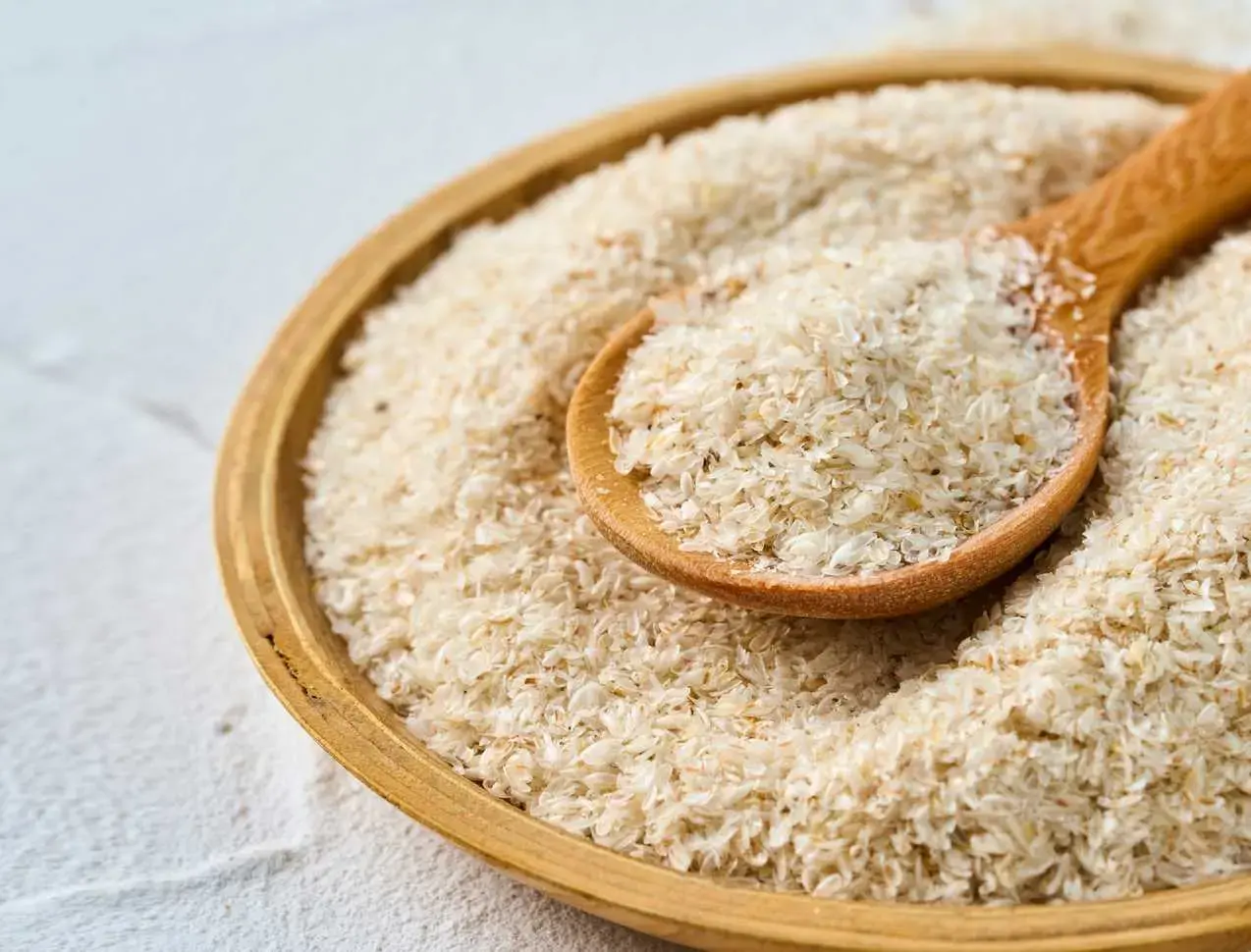
- Add natural laxatives prunes, kiwi, or a fibre supplement like psyllium husk to your diet
Low appetite: This is common because GLP-1s reduce hunger cues, but that doesn’t mean your body needs less nutrition.
How to manage it:
- Choose small, nutrient-dense foods (e.g. eggs, yoghurt, nut butters)
- Try smoothies or soups with added protein
- Eat regularly, even if in small portions
- Use protein powders or high-protein snacks to boost intake
Reflux or heartburn: This happens because food may stay in your stomach longer, increasing the chance of acid reflux.
How to manage it:
- Avoid fatty, spicy or fried foods
- Eat smaller meals and avoid lying down for 30 minutes after eating
- Limit caffeine, fizzy drinks and chocolate
- Try antacids or speak to your healthcare professional about reflux medications if needed
General gut upset: Gas, bloating, and burping (sometimes with a sulfur “rotten egg” taste) can occur, as your gut slowly adjusts to the medication.
How to manage it:
- Avoid very hot or cold foods
- Cut back on alcohol and caffeine
- Avoid sugar alcohols (found in sugar-free gum or lollies: look for sorbitol, mannitol, and xylitol on labels)
- Stay well hydrated
Dehydration: This is a risk because vomiting, constipation or reduced intake can lead to low fluid levels, which in turn can worsen other symptoms.
How to avoid it:
- Sip water throughout the day
- Use a water bottle to track your intake
- Add electrolyte drinks if you’re losing fluids through vomiting or diarrhoea
Long-term side effects
Muscle and bone density loss is a potential long term side effect of rapid weight loss. It’s important to change lifestyle habits to preserve muscle mass and protect bones. This means ensuring you meet protein, calcium and vitamin D requirements, as well as prioritising strength-based movement.
Do certain medications have different effects?
While there are common side effects across various GLP-1 medications, they may vary in intensity depending on the specific medication and dose, your unique body, and how it responds. If your side effects are hard to manage, it’s important to speak to your healthcare professional.
Do the side effects outweigh the benefits?
For most individuals the side effects are temporary and manageable, especially with support from your healthcare team. If side effects are affecting your quality of life, it’s important to get support early from your healthcare professional.
The bottom line
GLP-1s can be effective, but they’re not without side effects. The good news? Most are manageable with simple changes and help from your healthcare professional. It’s also important to keep in mind that the medication is one tool in your toolkit; healthy habits are important to support you long after you stop taking it.
Reviewed by the Healthylife health experts August 2025.
Related reads













This article is for informational purposes only and does not provide medical advice, diagnosis, or treatment. Any information published on this website or by this brand is not intended as a substitute for medical advice. If you have any concerns or questions about your health you should consult with a health professional.
About this article

Kate Agnew
Kate is passionate about innovation and problem-solving in health & nutrition. Her goal is to ultimately create a healthier environment for all Australians. In 2023, Kate was awarded the Young Achiever Award from Dietitians Australia.