


Sleep trends: Do they really work?
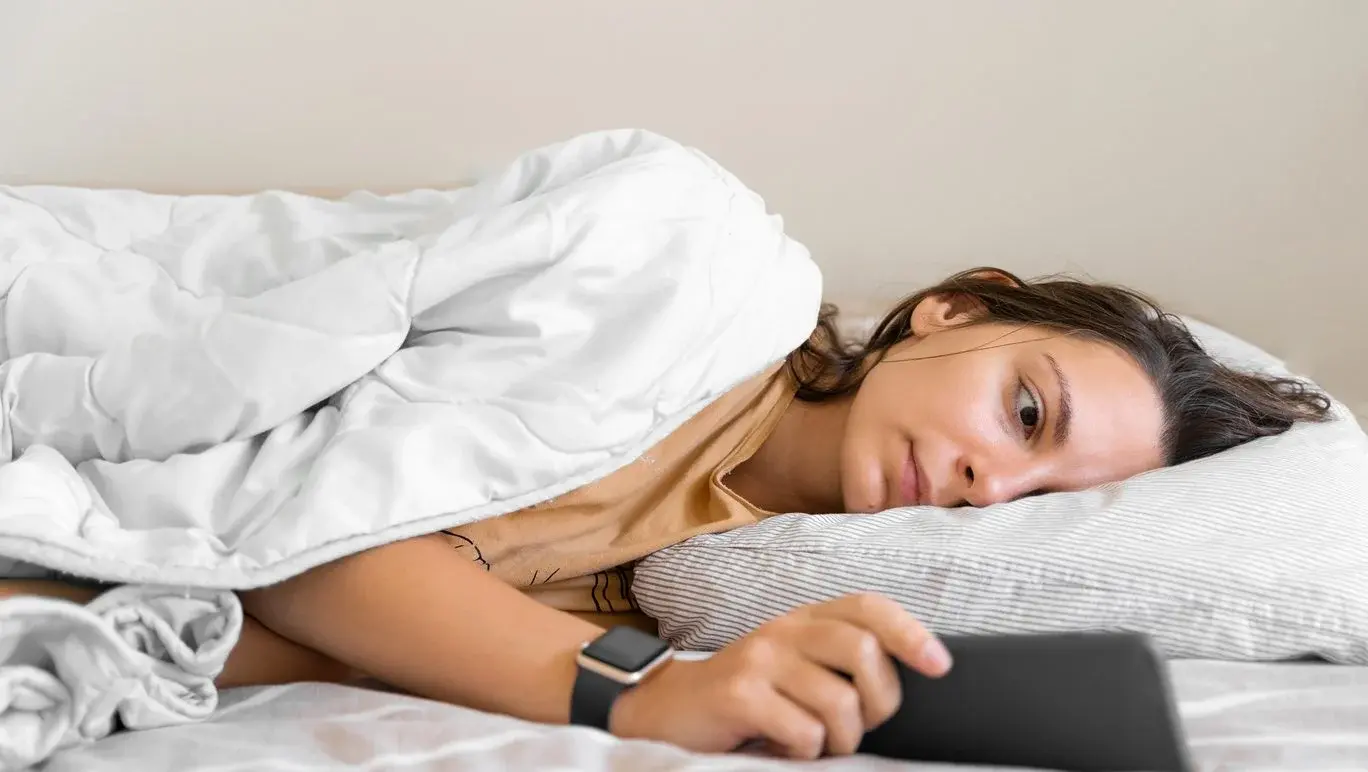
There are tonnes of products out there claiming to be the magic solution to better sleep. A simple search for “How can I sleep better?” presents endless options promising a quick fix. But the truth is, there’s no one-size-fits-all answer. Sleep issues have many causes, and the best investment you can make is figuring out what’s behind your sleepless nights and addressing those factors head-on. Let’s look at some of the most common sleep trends and if they’re backed by science.
Trend 1: Mouth Taping
What is it?
Mouth taping involves the use of a small piece of tape to gently seal the lips during sleep. The idea is to promote nasal breathing, which may support better sleep quality as a result.
What the science says:
Right now, research on mouth taping is limited. Some small studies suggest it might help encourage nasal breathing, but there’s not enough strong evidence to confirm benefits like reduced snoring or improved sleep quality.
Importantly, there’s no research confirming that mouth taping is safe or effective for treating conditions like sleep apnoea. There are a couple of studies with low participant numbers that are not well designed, which doesn’t provide convincing evidence. For those with sleep-disordered breathing, there are well-established, evidence-based treatments that should be explored first.
While it might sound harmless, mouth taping isn’t backed by strong evidence, and it may not be safe for everyone—especially if you have nasal congestion, allergies, or breathing difficulties. If you’re considering it or curious about improving your sleep quality, it’s best to speak to a healthcare professional or sleep specialist first. They can guide you toward strategies that are safe, effective, and right for you.
Trend 2: Sleepy Girl Mocktails
What is it?
A bedtime mocktail, often made with cherry juice and magnesium, that’s thought to help you unwind before sleep.
What the science says:
Mocktails that claim to improve sleep, like those with cherry juice, sound fun, but they’re not backed by solid science. While certain ingredients like melatonin or magnesium can support better sleep, they only help if those are the specific issues causing your sleeplessness. Improving sleep typically requires a holistic approach—things like healthy habits, a consistent routine, stress reduction, exercise, and light exposure. So, while mocktails might feel like a comforting bedtime ritual, they won’t replace the need for flexible, consistent sleep patterns.
Trend 3: Non-Sleep Deep Rest (NSDR)
What is it?
Dr Andrew Huberman Ph.D, is a neuroscientist that coined the term Non-Sleep Deep Rest in 2017 to describe yoga nidra which is an ancient technique focused on total relaxation rather than more active forms of yoga. It is now used more widely by Huberman and others to describe all forms of activities, such as meditation, or hypnosis that help you deeply relax without actually falling asleep.
What the science says:
These activities, whilst providing a state of rest, don’t replace the need for sleep. However, they can be a useful approach to try to unwind and may improve your chances of better sleep. There haven’t been studies done yet to compare the effects of a nap directly with a non-sleep restful activity. While Huberman has suggested the effects might be similar, more research is still needed.
Trend 4: Sleep Trackers
What are they?
Sleep trackers are everywhere, available as wearable devices like bracelets, headbands, or rings, or non-wearable sensors placed under your mattress or beside your bed. They monitor your sleep patterns, but they don’t fix sleep—they just track its quality and quantity.
What the science says:
While they can help identify sleep issues, keep you motivated, and offer coaching tips, they’re most useful for tracking progress. It’s important to remember that sleep trackers are not all accurate and they aren’t meant to replace your own assessment of how rested you feel when you wake and how much energy you have throughout the day. If you’re someone who becomes a little too fixated on the ‘numbers’ of sleep (a phenomenon called "orthosomnia"), rather than just letting sleep happen, then it might not be a beneficial idea to track as it may make sleep harder. Increased stress and concern about sleep is known to not be good for sleep. The bottom line? If sleep tracking helps you build healthy habits, go for it. But don’t forget, how rested you feel is more important than the numbers on your app.
The bottom line
The bottom line is that there is not usually one single factor or product that will help improve sleep. It’s important to value sleep, make room for it and make it a part of your health priorities. Getting your circadian rhythm in alignment with the day and night rhythms and also making sure your body is not high-strung with stress or caffeine are the first steps to take before looking into expensive products (as many of the factors that help improve sleep are free!). And lastly, ensure you get your advice and health information from qualified, experienced health professionals.
Related:
Reviewed by Healthylife Advisory Board March 2025
Related reads






This article is for informational purposes only and does not provide medical advice, diagnosis, or treatment. Any information published on this website or by this brand is not intended as a substitute for medical advice. If you have any concerns or questions about your health you should consult with a health professional.
About this article
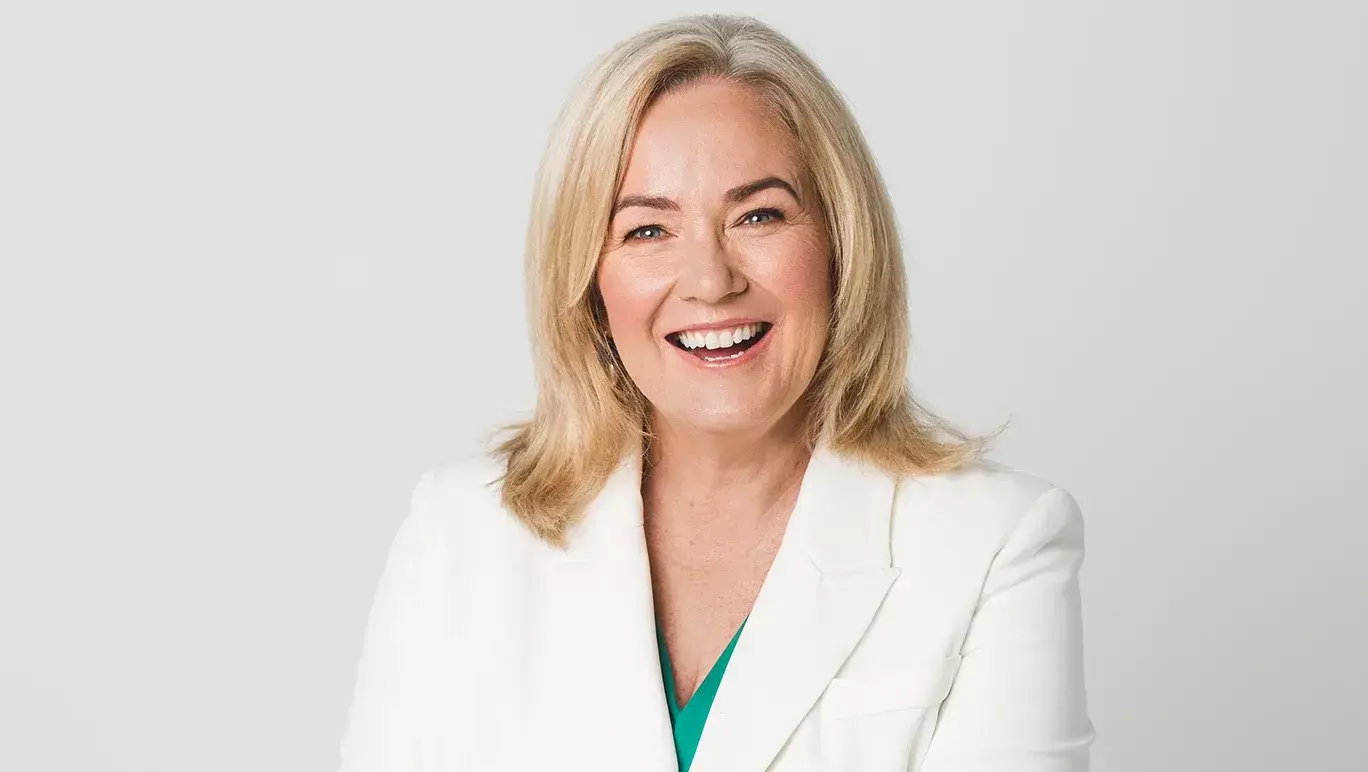
Dr Moira Junge
Dr Moira Junge is a registered, practising Health Psychologist, with the added specialty of sleep expertise. She is the current CEO of the Sleep Health Foundation and was a founding member of the Behavioural Management of Sleep Disorders Committee within the Australasian Sleep Association (ASA) and was the Chair of the ASA Insomnia and Sleep Health Council (2008-2015).