


Vaping: Strategies and tips to give it up for good
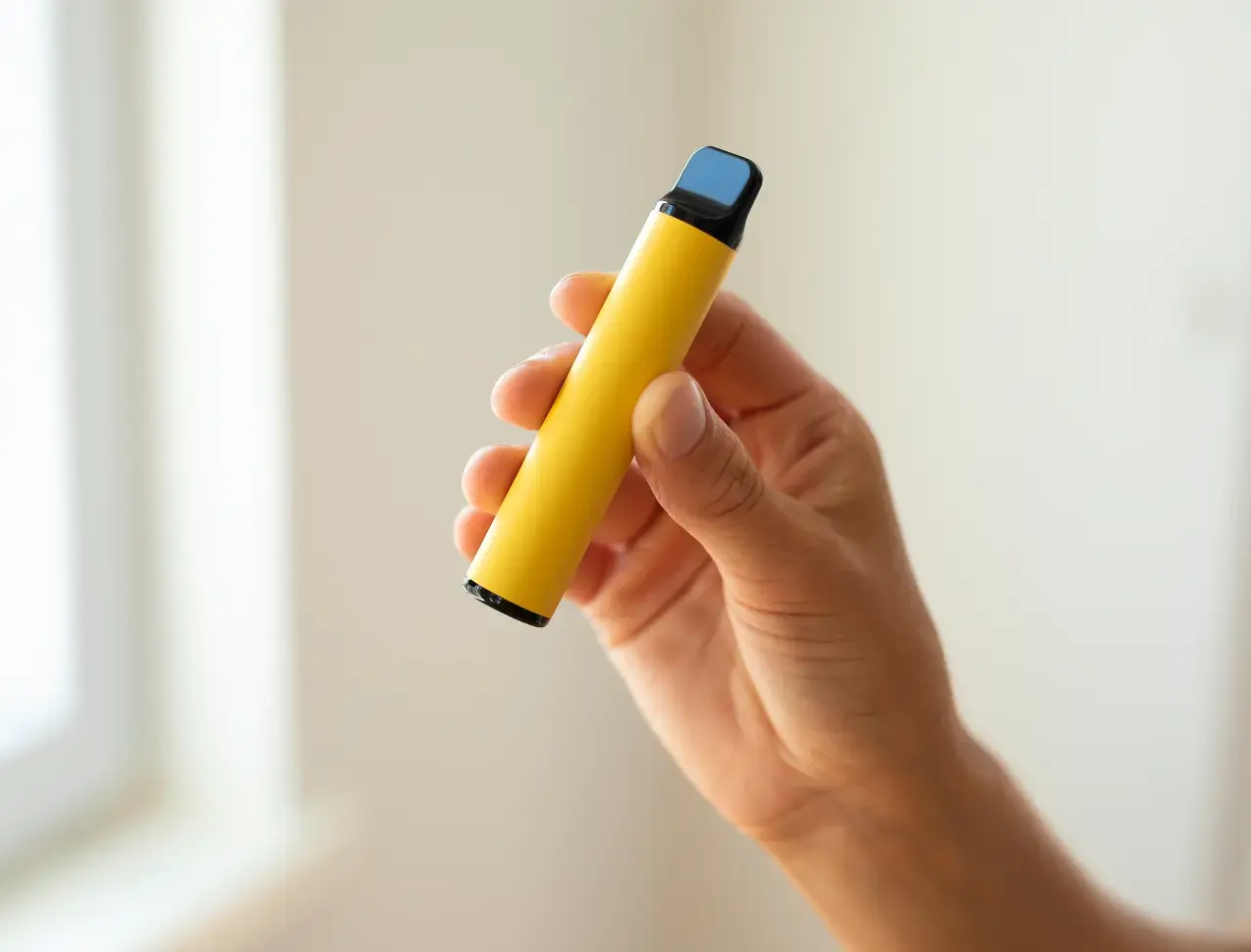
Over the past decade, vaping has skyrocketed in popularity, often marketed as an alternative to smoking. Using a small handheld device, vaping heats tiny particles of flavoured liquid, creating a mist to inhale. Sounds harmless? Not quite. Here’s why plus evidence-based strategies on how to give it up for good.
Why should you quit?
Many vapes contain nicotine—the same addictive chemical found in cigarettes. When nicotine binds to receptors in your brain, it releases dopamine, the ‘feel-good’ hormone. But when you stop vaping and the nicotine supply drops, your brain produces less dopamine, leading to withdrawal effects.
Beyond nicotine, the chemicals inhaled during vaping can raise serious health concerns. That’s why current health guidelines recommend quitting.
How to quit?
While vaping is still a relatively new phenomenon, we can draw from what we know about quitting smoking to help. For some, breaking the habit is straightforward; for others, it’s a real challenge.
It’s not always easy to quit, but with the right strategies, success is absolutely within reach. Here’s how:
Tip 1: Identify your reasons for quitting
The first step to quitting is wanting to stop. Clearly understanding and documenting your reasons can help you stay motivated.
Some reasons might include:
- Poor health: Vaping may lead to lung damage, lung disease, seizures from high nicotine, increased heart rate and blood pressure, harmful chemicals in e-liquids, poisoning risks, throat/mouth irritation, cough, wheezing, shortness of breath, dizziness, headache, nausea.
- Smoking risk: Vaping triples the chance of starting to smoke tobacco.
- Safety: Vapes can catch fire or explode, causing injury or property damage.
- Social: Second-hand vaping affects others, isolation in smoking/vaping areas.
- Financial: Spending $20 per week on vaping adds up to over $1000 a year.
- Regulations: New Australian laws are limiting access to vapes.
- Dependence: Addiction can be frustrating.
- Environment: Vaping waste impacts the environment, and recycling is complex.
- Personal: You may find vaping inconvenient or unenjoyable.
Tip 2: Create a Quit Plan
Quitting isn’t just about willpower—it’s about preparation. Taking the time to plan gives you the best chance of success and helps you tackle challenges before they arise.
Now that you’ve nailed down your reasons for quitting, it’s time to rally support and map out your strategy. Research shows there are two main approaches to quitting: going “cold turkey” tends to be the most successful, but for some, gradually cutting back works better. The key is finding what feels right for you.
Want to quit “cold turkey”? Here are some practical tips to get you started:
- Set a quit date: Choose a date within the next two weeks to stay motivated.
- Pick a low-stress day: Select a day with minimal stress, even if it’s not perfect.
- Plan activities: Schedule distracting activities, like a movie with a friend.
- Remove vaping supplies: Get rid of your vape and any related equipment.
- Prepare for cravings: Stock up on gum, nuts, or healthy snacks.
- Inform your support network: Let friends and family know your plan.
- Trial run: Try a day without vaping before your quit date.
- Seek support: Look for quitting support online, by phone, through apps, or from your doctor.
If you want to gradually cut back overtime, try:
- Lowering the e-liquid strength every 2-4 weeks.
- Increasing the time between vapes.
- Setting rules for when and where you vape.
Tip 3: Plan for withdrawals
Quitting vaping isn’t always smooth sailing, but understanding withdrawal symptoms can help you stay on course. Not everyone experiences them, but if you do, symptoms tend to peak around day 3, improve within a month, and are a sign your body is recovering.
Possible withdrawal symptoms include:
- Cravings: These can start 30 minutes after your last vape, lasting a few minutes but can be recurring. They become less intense and frequent over time.
- Irritability, anxiety, low mood: Stress can increase after quitting. If anxiety is present, it usually peaks around day 3 and can last a few weeks. Any low moods and irritability usually resolve within a month.
- Increased caffeine sensitivity: Nicotine reduces caffeine effects, so quitting can heighten sensitivity.
- Difficulty concentrating: “Brain fog” can last a few weeks.
- Restlessness, insomnia, fatigue: Common symptoms, as nicotine is a stimulant.
- Appetite changes: Nicotine suppresses appetite so there could be an increase in hunger or weight gain in the first few weeks. Some may experience constipation.
- Cough, dizziness, headaches: Coughing as the respiratory system heals, dizziness from possible lowering of blood pressure (if it had elevated while vaping), and headaches are common but temporary.
Understanding these symptoms and having a plan to cope can help avoid relapses. Try:
- 4 Ds for cravings:
- Delay: Wait 5 minutes; cravings will pass.
- Deep breath: Stay calm and relaxed.
- Drink water: Stay hydrated and flush out your system.
- Do something else: Distract yourself.
- Get moving: Help with restlessness, sleep, and distraction.
- Reduce caffeine: To avoid related symptoms.
Remember, withdrawal symptoms are temporary and a sign of progress. Be patient, and don’t hesitate to seek professional support if you need it.
Tip 4: Identify your triggers and plan for them
Vaping is often tied to routines, emotions, and social settings, making it essential to understand your triggers.
Common triggers can be linked to:
- Habits: Morning routines, coffee or tea breaks, post-meal rituals, talking on the phone, or downtime.
- Emotions: Stress, boredom, or seeking comfort during tough moments.
- Social Situations: Parties, hanging out with friends, or seeing others vape (even on social media).
Knowing your triggers helps you prepare and avoid them. Actionable tips include:
- Track your vaping: Write down every time you vape for a day or two to identify your patterns.
- Change routines: Eat or take breaks in different places, take new routes.
- Plan distractions: Have activities ready to distract yourself when triggered.
- Manage emotions: Try walking, listening to music, or meditating.
- Handle social situations: Plan to avoid or manage situations where people vape, and let friends know why.
- Ask for support: Request that people don’t offer you their vapes.
Tip 5: Create your support network
You don’t have to quit alone! Leaning on others for support can significantly boost your chances of success.
- At home: Let the people you live with know your plan and how they can help.
- Social situations: Vaping around others is a common cause of relapse. Develop a strategy to handle these situations.
- Professional health: Seek support and advice from your healthcare practitioner about your options.
- Try online, phone, and app-based support services: These can greatly enhance your success rates.
Tip 6: Nicotine replacement therapy
Nicotine replacement therapies (NRT) can help ease cravings and withdrawal symptoms, increasing your chances of quitting successfully. It does this by providing small doses of nicotine to the bloodstream to reduce cravings and withdrawal symptoms. Try:
- Available without prescription: Patches, gum, lozenges, sprays, or inhalers.
- Prescription e options: Some are PBS-subsidised—check with your GP.
Tip 7: Other pharmaceutical options
Other prescription medications may reduce withdrawal symptoms by blocking the nicotine receptors, making vaping less enjoyable. Varenicline is the only one supported for use in Australia. Speak to your GP to discuss your options.
The bottom line
Quitting vaping is a journey, not a one-and-done task. It may take multiple tries to quit for good, and that’s okay. Each attempt strengthens your ability to succeed.
If you slip up, don’t sweat it—you’re not starting over, just picking up where you left off. Keep moving toward your goal, one step at a time.
Related reads:
- Heart Health Check: What is it and how to get one
- What to put on your annual health check up list
- When to see your doctor and what to look out for
Reviewed by the healthylife Advisory Board December 2024.
Related reads












This article is for informational purposes only and does not provide medical advice, diagnosis, or treatment. Any information published on this website or by this brand is not intended as a substitute for medical advice. If you have any concerns or questions about your health you should consult with a health professional.
About this article

Dr. Rob McCartney
Dr Rob McCartney is a Occupational and Environmental Physician who has specialised in the field of Occupational and Environmental Medicine for over 20 years. His career goal is to maximise the health, wellbeing and productivity of working people.