


9 tips to stay safe from bushfire smoke
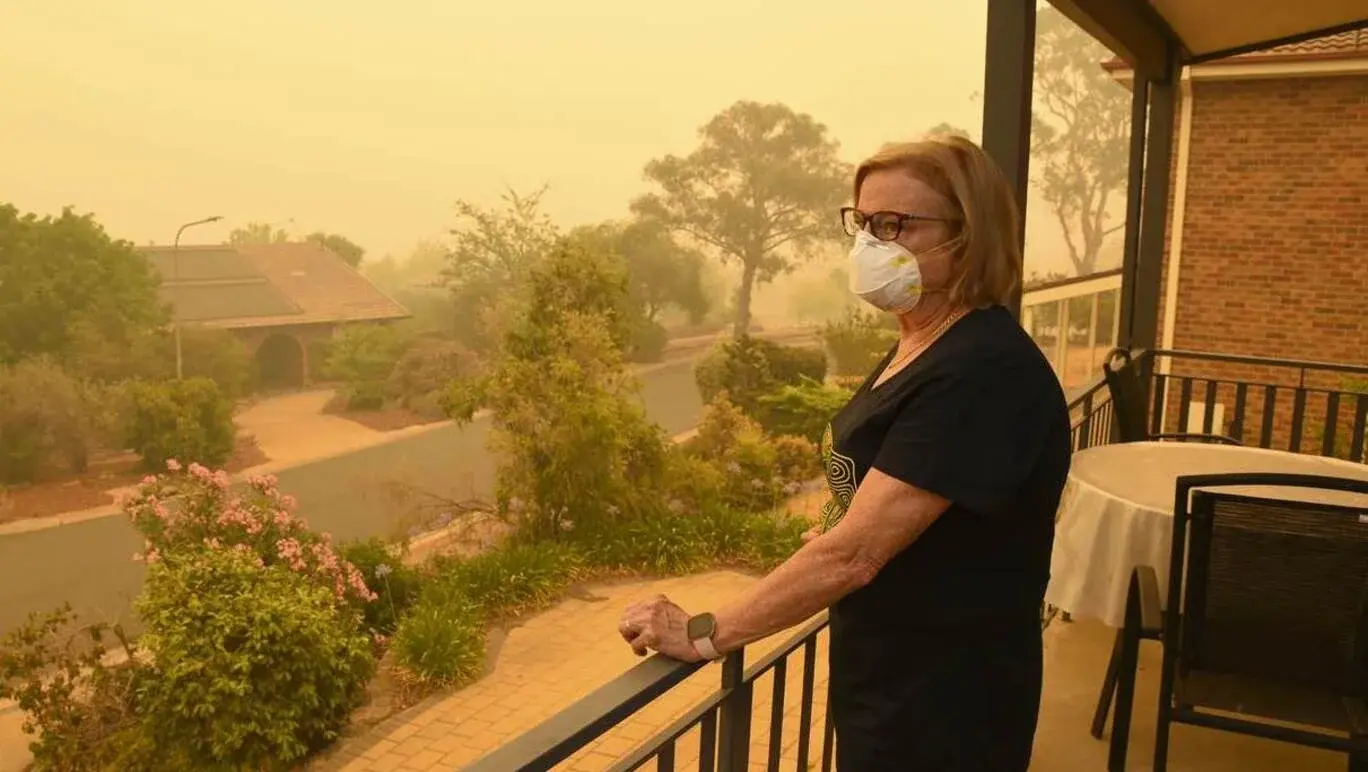
Bushfires are, unfortunately, a frequent part of life in Australia, and even when you’re not living right next to the flames, bushfire smoke can drift a long way and affect your health. The good news? While you can’t always control the smoke outside, there are practical steps you can take to stay safe. In this article, we outline what smoke does to your body, who’s most at risk, and, most importantly, 10 practical ways to limit your exposure and protect your health.
How bushfire smoke can impact your health
Bushfire smoke contains fine particles (including fine particulate matter, or PM2.5) and vapours and gases, such as carbon dioxide and nitrogen oxides. These can cause breathing difficulties, exacerbate existing conditions like asthma, and lead to cardiovascular issues.
Exposure to bushfire smoke has both immediate and long-term health consequences. The severity of the risk is linked to the duration and proximity of the exposure.
Immediate effects can include:
- Itchy eyes
- Runny nose or sore throat
- Coughing and wheezing
- Shortness of breath
For healthy individuals, these symptoms usually disappear once they are no longer in the smoky environment. However, vulnerable populations including the elderly, young children, and people with existing medical conditions face a greater risk.
This exposure negatively affects the body's ability to absorb oxygen into the lungs and interferes with normal cell function.
While it’s best to keep exposure as low as possible, sometimes bushfire smoke is unavoidable. These tips can help minimise your exposure risk.
Tip 1: Invest in an air purifier
An air purifier with a HEPA filter and an activated carbon filter effectively removes fine smoke particles and odours, ideally used in a sealed room with closed windows and doors. While humidifiers help with dryness, focus on air purifiers for filtering the air.
Tip 2: Keep your windows closed
When outdoor air quality is compromised by smoke, the most important thing you can do is to remain inside your home (if it’s safe to do so). Ensure all windows and doors are completely closed to prevent harmful smoke from entering.
Seal any gaps around windows and doors using materials such as weather stripping, damp towels, or blankets.
Tip 3: Keep medications and emergency kits readily available
Your bushfire survival kit, often called a 'grab bag' or 'go bag’, should be durable, waterproof, and stored where you can access it quickly as you leave.
Make sure you’ve got at least a week’s supply of any essential medications on hand. Store them in a waterproof, easy-to-reach container so they’re ready when you need them. It’s also a good idea to keep a simple list of medications for you and your family, including doses and how often they’re taken, saved on your phone or tucked into your wallet for easy access.
Tip 4: Stay hydrated and avoid strenuous exercise
When facing a bushfire or heatwave, it is crucial to stay hydrated and limit strenuous physical activity. This helps to prevent heat-related illnesses and reduces smoke inhalation.
Sip water regularly throughout the day rather than waiting until you feel thirsty, as warmer conditions can cause fluid loss to add up quickly. On days when air quality is poor, it’s best to dial back strenuous exercise, even if you’re feeling well. Deeper, faster breathing during intense activity can increase how much fine smoke particles you take in.
Tip 5: Consider relocating temporarily if in a high-risk area
- Leaving early is the safest bushfire survival choice, especially during a Catastrophic Fire Danger Rating. It is important to check the recommendations of the state you live in, for their temporary relocation procedures. Generally this may include; Plan departure and destination: Decide when to leave and choose a low-risk location (family/friends, or a large urban/regional centre) well before any threat.
- Establish a trigger: Do not wait for a formal warning. Use the Fire Danger Rating as your prompt; if Catastrophic is forecast, leave the night before or early that morning.
- Prepare a relocation kit: Assemble an emergency kit, including food, water, clothing, medications, documents, and supplies for children/pets.
- Map your route: Plan primary and alternative travel routes, ensuring your vehicle is fuelled or charged.
- Inform your network: Tell family, friends, and neighbours your plans and temporary destination.
Tip 6: Avoid activities that create indoor air pollution
To maintain healthy indoor air quality when bushfire smoke is present, modify or avoid the following activities, as they introduce pollutants or draw in outside smoke:
- Smoking/vaping: Refrain from smoking or using vapes inside.
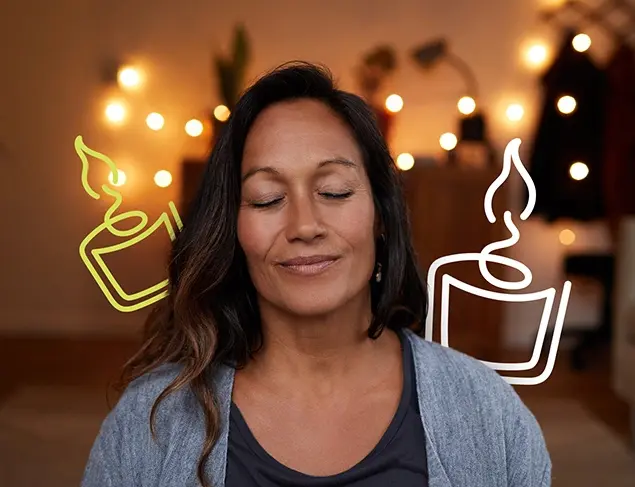
- Burning materials: Do not use candles, incense, or open fireplaces.
- Unflued gas appliances: Avoid using gas stoves, portable gas heaters, or propane stoves, as they release harmful gases and particles directly into your home.
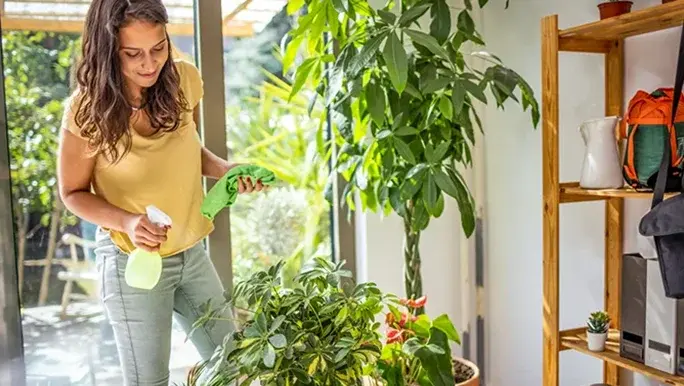
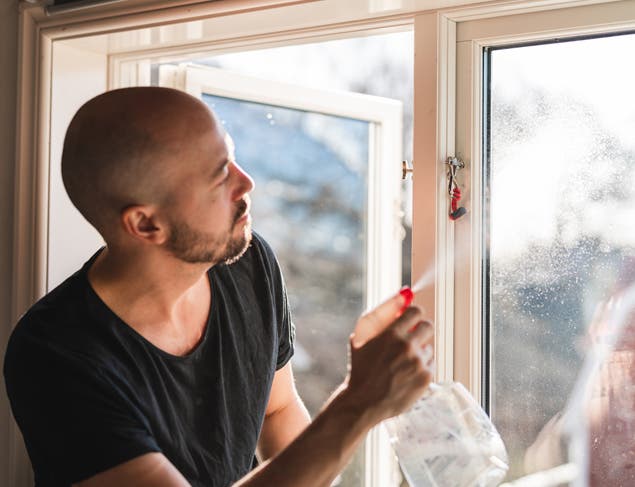
- Chemical sprays: Limit the use of aerosol products, strong cleaning sprays, or air fresheners that contain volatile organic compounds (VOCs).
Tip 7: Set air conditioners to recirculate mode and avoid using evaporative coolers
It's crucial to switch your air conditioner to recirculate mode (reverse-cycle) and shut windows/doors to block smoky outdoor air, as this keeps pollutants out. Avoid evaporative coolers, which draw in outside air, and instead use fans or HEPA air purifiers in sealed rooms for better indoor air quality.
Tip 8: Seek clean air spaces in public air-conditioned venues
If you’re unable to stay home or keep your air clean inside the house, then opt for some public air-conditioned venues like shopping centres, libraries, or community centres. These large commercial buildings usually have robust central air conditioning systems that can help filter out smoke particles, offering good indoor air quality.
Tip 9: Identify neighbourhood safer places
Identify Neighbourhood Safer Places (NSP) close to the property and note their location in the Bushfire Survival Plan. NSPs are refuges of last resort in the event the Bushfire Survival Plan cannot be implemented. Consult the local fire authority for a list of NSPs in the area.
Bottom line
The threat of bushfire smoke is a serious health concern, exposing the lungs and body to harmful fine particulate matter.
While we may not be able to completely escape bushfire smoke, a proactive approach is crucial for protection. By staying informed about air quality, creating safe, clean-air indoor environments, having emergency plans (including medications and safe places), and minimising outdoor exposure with appropriate masks, you can significantly reduce your risk of immediate and long-term health complications. Prioritise your health by taking these simple, practical steps to breathe easier and stay safe throughout the bushfire season.
Reviewed by the Healthylife health experts January 2026.
Related reads












This article is for informational purposes only and does not provide medical advice, diagnosis, or treatment. Any information published on this website or by this brand is not intended as a substitute for medical advice. If you have any concerns or questions about your health you should consult with a health professional.
About this article

Soumya Pandya
Soumya Pandya is a Registered Pharmacist who is passionate about finding innovative ways to allow easy and safe access to healthcare for all Australians. Soumya’s goal is to help people better their health journey through education and tools that allow the individual to take a holistic approach to their health.