


How to support your fertility when trying to conceive

Key Points
- Infertility impacts 15–20% of couples in Australia
- Health and lifestyle factors can impact fertility
- Support is available every step of the way for those trying to conceive
The decision to start a family is one of the most momentous and exciting choices you’ll ever make. Many couples find themselves thinking of baby names or daydreaming about the design of their nursery before they even start trying to conceive.
But what happens when falling pregnant isn’t as easy as you thought it would be?
The truth is that fertility can vary from person to person. And even a slight bump in the road of your pregnancy journey may cause unwanted worry and stress for some couples. Fortunately, a wealth of help and resources are available.
Let’s explore some factors involved in getting pregnant, and also take a look at how to support fertility.
When getting pregnant isn’t all fun and games
Falling pregnant isn’t always as easy as the movies depict. There’s no stork gently dropping a swaddled infant on your doorstep, or the discovery of a crying baby in the cabbage patch at night. For some couples, it’s a journey filled with worry and support is available through organisations such as Jean Hailes for Women’s Health, a national not-for-profit organisation.
Fertility issues are more common than you think: if you’ve been trying to conceive for a while, there may be some comfort in knowing you’re not alone.
In Australia specifically, one in six couples experiences problems with fertility. According to the Fertility Society of Australia and New Zealand, the total fertility rate needs to be about two babies per woman to maintain our current population levels. After a record low of 1.59 babies per woman in 2020, the total fertility rate for Australia rose to 1.70 in 2021.
But while the fertility rate bounced back somewhat, it’s still sitting below the required level.
What is infertility?
Infertility can be described as an inability to conceive after one year of regular, unprotected sex. Statistics show that in every 100 couples trying to conceive, only 80 to 90 will do so successfully in the first year. But even within the first 12 months of trying, fertility challenges can take a toll.
As child-bearers, women may be quick to take on the burden when they experience infertility issues with their partner. But studies show infertility is linked either partly or completely to the male in about 50% of couples.

It’s important for couples trying to conceive to understand that fertility declines with age
Factors that can affect fertility
There’s no magic formula when it comes to falling pregnant. But you can support your fertility journey by learning about the factors that may affect your chances of conceiving.
A recent review on fertility awareness showed that many couples lacked an understanding of fertility – including common risk factors and how gender, age, and reproductive status can have an impact.
With this in mind, let’s explore some key aspects that can influence fertility.
Age
Lifestyle Medicine Physician and Health Coach Dr Jill Gamberg says age is the most critical factor in fertility. And this rings true for men and women.
“Fertility declines with age,” she says. “One hundred years ago, everyone had babies at 20. This is much less common these days. We do life, we do education, we do travel, we do everything else. Today, people see celebrities having kids at 40 or 50 years old, but they don’t see that these celebrities might have used assisted fertility.
“Freezing eggs is a thing now and if you are really someone who wants to have babies later but wants to do X, Y and Z first, go and talk to your doctor about it. Give yourself a little bit of an insurance policy.”
Experts understand that fertility declines in a woman’s early thirties and further decreases after 35 and 40. Before the age of 30, she has about an 85% chance of conceiving within the first year of trying. By 40, this chance drops to around 44%.
“We need to let people know that fertility declines with age,” says Dr Jill. “I think that’s the most important message.
Lifestyle
What we eat, how often we exercise and the quality of our sleep can impact our mental and physical health. This includes fertility health.
Research has shown that additional factors such as drug and alcohol consumption, weight, excessive exercise, and stress can all impact fertility.
“Stress can affect every part of your body mentally and physically,” Dr Jill says. “It may affect your cycles and ovulation, which impacts your chances of fertility.
“It’s also important to talk about smoking,” she says. “Some people still smoke – smoking decreases sperm production and quality. The other thing that’s very popular now is vaping, and vaping is no good either.”
Studies have shown vaping can damage blood vessels and further investigation is needed to determine its overall effects on health. It should not be considered a ‘healthy’ alternative to smoking.
Health conditions, medications and environment
Certain medical conditions and medications used by either partner may affect fertility. These include damaged testicles, polycystic ovary syndrome (PCOS) and hormonal issues. If you are managing a health condition, visit your GP to discuss how it may impact your fertility.
The US National Institute of Child Health and Human Development reported that exposure to certain pollutants and chemicals could also impact male and female fertility. These include persistent organic pollutants and endocrine-disrupting chemicals.

Optimising your fertility may involve a trip to your GP to discuss pre-pregnancy planning
What to do when trying to conceive
The fertility journey can be a bumpy road. Thankfully, there are things you can do to make it a little smoother.
When you’re planning to conceive, learning how to optimise fertility and support yourself through the journey is a great first step. The below tips may help you do just that.
- Pregnancy planning
The pre-pregnancy stage sometimes includes visiting your GP to discuss your plan for trying to conceive. As certain nutrients are essential for a growing baby and an expectant mother, having a GP check for deficiencies may be helpful. They can also advise on how to check for fertility if you’ve had issues falling pregnant.
Can a gynaecologist help with fertility? Yes, but most people find that visiting their GP is the best place to start. From there, you may be referred to a fertility specialist. - Understanding the process
Timing is everything when trying to conceive. Learning how to increase fertility begins with understanding how it all works. Get in touch with your body, learn the process and signs of ovulation, and use a calendar to track your fertile window. - The fertile window includes the five days leading up to ovulation and the day of ovulation. It’s recommended you have sex during the fertile window – especially the three days leading up to ovulation and the day of ovulation – for the best chance of conceiving.
- Supplements and foods to support fertility
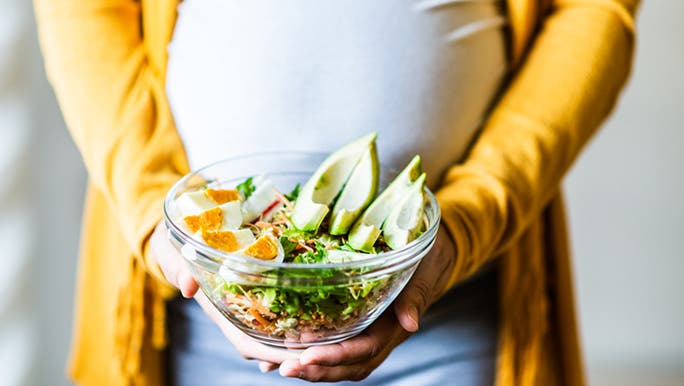
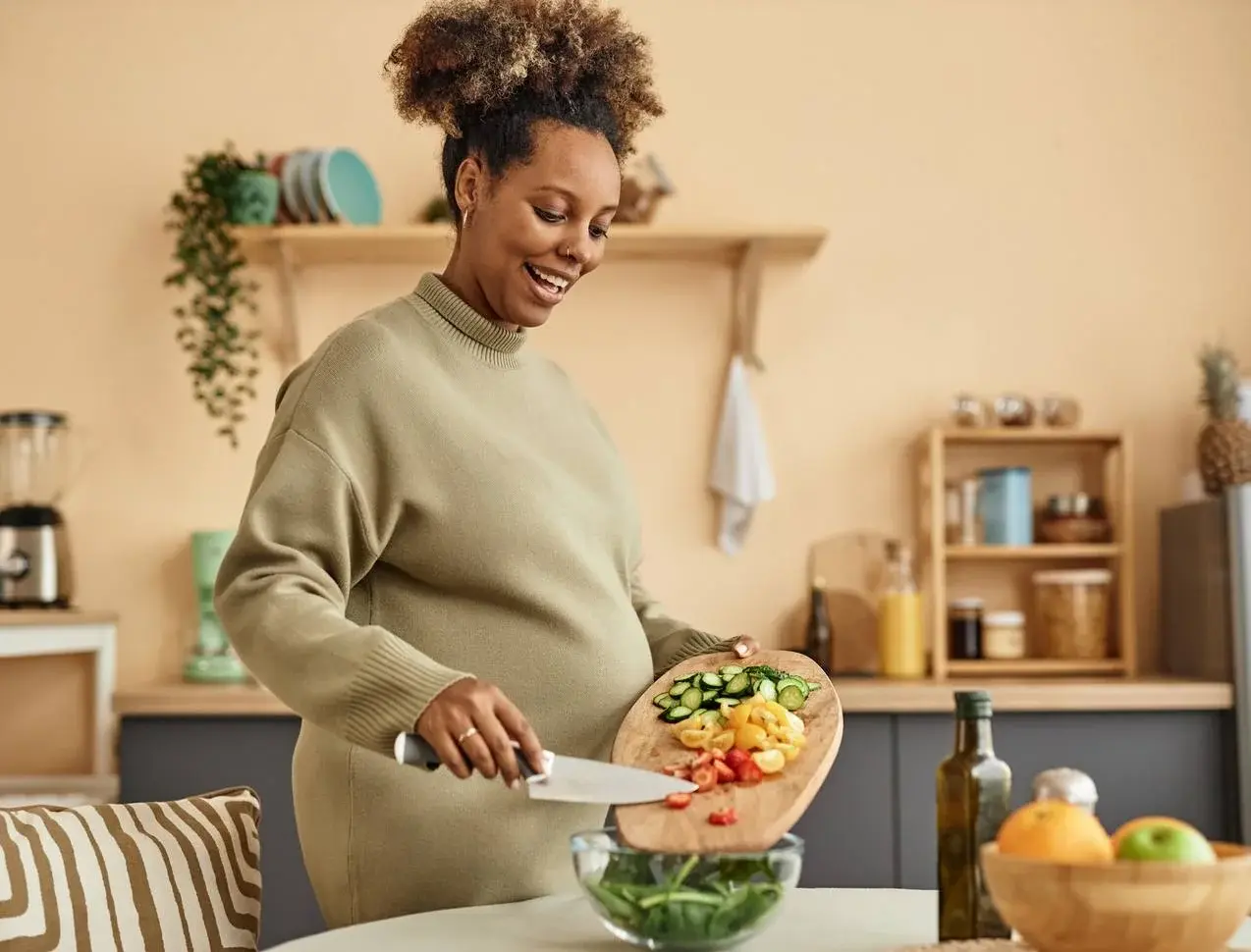
As well as following a diet that supports fertility, supplements may also be necessary. Dr Jill recommends starting folic acid before trying to conceive, as well as omega-3, iron and iodine during pregnancy. Always consult a health professional before determining which supplements are best for you. - Lifestyle factors
Improving certain lifestyle factors may help with natural fertility support for both partners. Reducing stress in pregnancy, finding the best exercise when trying to conceive, reducing drug and alcohol intake, and managing your weight are all associated with a healthier lifestyle.

The fertility journey can be challenging, but there’s a variety of resources available to support you throughout the process
Support at every stage
Although the fertility journey can be exciting, it can also be challenging. The good news is there’s a variety of resources you can rely on. Counselling, support groups, health professionals and more are available to you every step of the way.
Visit your GP to understand how the fertility process works and ensure all bases are covered. To learn more about supporting your fertility with proper nutrition, see our ways to eat – focus on fertility program.
If you need more help or support with mental health, please see your doctor. You can also visit Beyond Blue for additional resources.
Related:
- What is sexual health and how can you improve it
- 5 expert tips for new parents
- How to get better sleep when pregnant
Jill Gamberg is a General Practitioner and Lifestyle Medicine Physician, with a Masters in Coaching Psychology. Dr Jill’s goal is to help prevent disease, improve health literacy and maintain psychological and physical wellbeing with evidence-based practice.
Reviewed by the healthylife Advisory Board December 2022.
Related reads








This article is for informational purposes only and does not provide medical advice, diagnosis or treatment. Any information published on this website or by this brand is not intended as a substitute for medical advice. If you have any concerns or questions about your health, you should consult with a healthcare professional.