


What is active recovery? Tips for what to do on your day off

Key Points
- Active recovery may help to improve your overall performance.
- Using active recovery right after a workout may help your body recover more quickly in the short term.
- Active recovery includes low-intensity cardiovascular activities such as walking, cycling, or swimming.
When it comes to exercise and fitness, the phrase ‘active recovery’ may sound counterintuitive. After all, isn’t recovery all about giving your body a well-deserved break? Well, yes and no. Active recovery is a scientifically supported approach that may accelerate your recovery process and potentially enhance your performance in high-intensity workouts. In this article, we answer the question: what is active recovery? Then we explore its benefits and provide some practical do’s and don’ts for your rest days.
What is active recovery?
Active recovery involves doing low-intensity exercises and activities on the days when you’re not training – otherwise known as your rest days. Active recovery is all about maintaining movement and mobility without causing additional strain on your body. Typically, active recovery includes light exercises such as an easy jog, bike ride, or a gentle swim. Let’s take a closer look:
Swimming
Swimming can be an excellent choice for active recovery. One study found that athletes who took part in a recovery session in the pool saw an improvement in their exercise performance the following day.
Yoga
Yoga offers numerous potential benefits for both your physical and mental wellbeing. The gentle movement may help alleviate joint and muscle tension, improve flexibility, and positively impact your cardiovascular and nervous systems.
Walking or jogging
Walking or a gentle jog is an accessible form of exercise for most people and offers an easy way to keep moving on your active recovery days.
Cycling
Cycling offers potential health benefits and a low-impact activity that keeps your body active without overloading your joints or muscles.
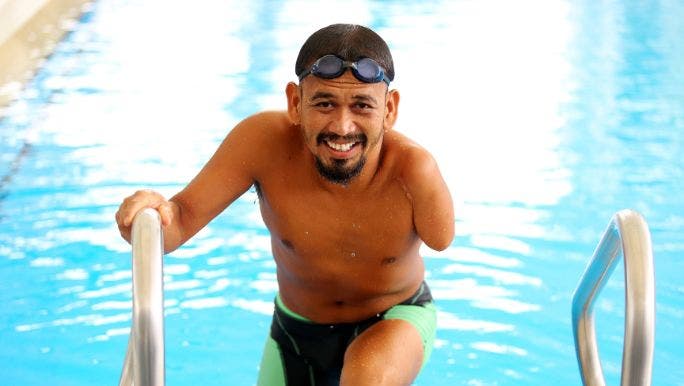
Swimming can be used for active recovery and may offer more benefit than simply resting
Benefits of active recovery
Including active recovery as part of your training program may offer a number of benefits.
One study found that using active recovery, like swimming and yoga, after high-intensity workouts offered some benefits when compared to simply resting. The active recovery group in this study also developed better aerobic endurance after the training program. This may be because active recovery allows you to continue exercising, albeit at a slower pace, which may activate specific beneficial changes that rest doesn’t.
Using active recovery right after a workout may also help your body recover more quickly in the short term – particularly after intense training sessions.

Avoid high-intensity workouts on active recovery days and opt for gentle exercise like walking
What to do on your day off: do’s and don’ts
Now that you’re familiar with the concept and benefits of active recovery, let’s explore some do’s and don’ts for your rest days:
Do’s:
Light cardio: Engage in low-intensity cardiovascular activities such as walking, cycling, or swimming.
Yoga and stretching: Incorporate yoga or stretching routines to enhance flexibility and reduce muscle tension.
Hydration and nutrition: Stay well-hydrated and eat a balanced diet rich in nutrients. This is essential for recovery between training sessions and ensures you’ll have adequate energy and nutrients you need for your next workout session.
Don’ts:
High-intensity workouts: Steer clear of high-intensity exercises, which can hamper recovery and lead to overtraining. It’s crucial to let your body recuperate during active recovery.
Excessive rest: While rest is essential, excessive inactivity can lead to stiffness, hinder recovery and may cause other health concerns.
Poor nutrition: Don’t neglect your nutrition. Eating nutrient-rich foods and staying hydrated is just as important during active recovery days as your regular training days. Nutrients aid your body’s repair.

Steer clear of high-intensity exercises, which can hamper recovery and lead to overtraining
Keep moving, stay healthy
Giving your body time to recover between training sessions is important – incorporating active recovery into your exercise routine may lead to more effective training and support your overall health and wellbeing. Talk to your healthcare professional for more information about active recovery.
Related:
- Do hormones impact your energy levels?
- How to get more deep sleep
- What happens when you don’t sleep?
Reviewed by the Healthylife Advisory Board November 2023
This article is for informational purposes only and does not provide medical advice, diagnosis or treatment. Any information published on this website or by this brand is not intended as a substitute for medical advice. If you have any concerns or questions about your health, you should consult with a health professional.