


What to look for when buying a protein powder

Protein powders have come a long way: from basic gym staples to a booming category found in supermarkets to smoothie bars. With so many options everywhere, it’s easy to feel overwhelmed trying to figure out which one is actually right for you.
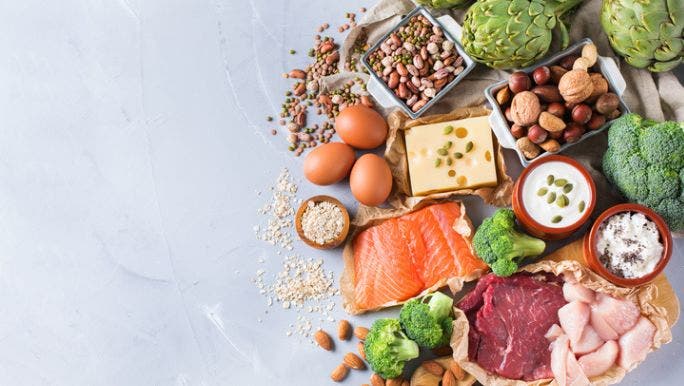
But before choosing one, it’s worth noting that protein powders aren’t essential for everyone. Many people can absolutely meet their protein needs through wholefoods alone. But in real life, especially on busy days, they can make things easier.
Adding a scoop of protein powder to yoghurt, oats or a smoothie can boost the protein content of your breakfast or snack without much effort. For time-poor professionals, parents, or anyone trying to support muscle strength, recovery or appetite control, they can be a practical tool.
You don’t need protein powder. But if you like using it, choosing the right one makes a difference.
Let’s break down what to look for.
Which types of protein are there?
Protein powders generally fall into two main categories: dairy-based (animal) proteins and plant-based proteins.
Whey protein
Whey is derived from dairy milk and is the most common type of protein powder. It is easily digested and particularly effective at stimulating muscle protein synthesis, especially when consumed around exercise. There are a few common forms of whey:
Whey concentrate: Less processed, slightly lower protein content per serve, contains more fats, carbohydrates and lactose.
Whey isolate: More processed, higher protein content, lower lactose. Often better tolerated if you’re lactose sensitive.
Whey hydrolysate: The most processed form, partially broken down for faster absorption. It has a similar composition to whey isolate.
In practical terms, all three forms have very similar evidence supporting muscle recovery and strength outcomes. The choice usually comes down to digestion, tolerance and budget.
Casein protein
Also derived from dairy, casein is absorbed more slowly than whey. It provides a gradual release of amino acids over several hours, making it a useful option in the evening or before long periods without food (such as overnight).
However, casein is not as effective as whey at stimulating the initial muscle-building response after exercise.
Plant protein vs animal protein
Plant-based options have become increasingly popular and can absolutely support muscle health when chosen well. Common options include:
Soy protein: A complete plant protein, meaning it contains all the essential amino acids your body needs.
Pea protein: Often made from green or yellow peas. Research shows it supports muscle growth similar to whey when total protein intake is adequate.
Hemp protein: Contains moderate protein along with fibre, iron, zinc, magnesium and alpha-linolenic acid (a plant-based source of omega-3).
Rice, almond and peanut proteins: Each varies in amino acid profile and digestibility.
From a nutritional perspective, animal proteins (like whey) are naturally complete proteins with high levels of leucine, the key amino acid that stimulates muscle building.
Plant proteins can absolutely work, but sometimes benefit from being blended (for example, pea and rice) to create a more complete amino acid profile.
Ultimately, the best protein is the one you tolerate well and are happy consuming regularly.
How to choose the right protein for you
Start with your goal:
- Muscle strength and recovery? Whey is often the most efficient choice.
- Lactose intolerance? Try whey isolate or a plant-based option.
- Vegan or plant-based? Choose soy or a blended plant protein.
- Overnight support? Casein may be useful.
- Busy mornings? Any high-quality protein added to breakfast can help improve satiety and blood sugar stability.
Protein powders vary widely in processing and formulation. Some are very simple. Others are heavily flavoured, thickened and sweetened. Check the nutrition panel. Ideally, you want a product that provides around 20–30g of protein per serve without excessive added sugars or fillers.
If you’re using protein regularly, choose one with minimal additives and trial a couple of brands to see what your body tolerates best.
Ingredients to look out for
Emulsifiers and gums
Many powders contain thickeners like xanthan gum, guar gum or carrageenan to improve texture. While generally recognised as safe, some people experience bloating or digestive discomfort with higher intakes.
If you have a sensitive gut, look for a product with fewer gums or trial an unflavoured version.
Fillers
In many products, fillers are added. These are usually low-cost, non-protein ingredients like maltodextrin, xanthan gum, cellulose, and coconut flour used to increase volume, improve texture, or reduce costs.
Flavouring and sweeteners
Artificial sweeteners (such as sucralose or acesulfame potassium) are common in flavoured powders. Some people tolerate them well. Others report bloating, headaches or altered appetite signals.
If you prefer fewer additives, choose:
- Unflavoured protein
- Naturally sweetened versions e.g. look for stevia or monk fruit sweetener
- Products with minimal ingredient lists
Heavy metals
Protein powders are regulated in Australia, but quality still varies between brands. Some international testing has identified trace heavy metals in certain products, often due to soil contamination in plant-based proteins.
Do your best to choose a reputable brand, and research if they do any heavy metal testing.
Collagen vs protein powder
Collagen and protein powders are often grouped together, but they serve different purposes. Collagen is the most abundant protein in the body, making up roughly 30% of total body protein. It provides structural support to connective tissue, skin, joints and bones. Collagen production declines with age.
Supplementing with collagen may support:
- Skin elasticity
- Joint comfort
- Bone health
When choosing collagen, look for hydrolysed collagen, which has been broken down for easier absorption. Marine and bovine sources both have research supporting their use, while plant-based collagen boosters do not provide collagen itself and have less evidence behind them.
However, collagen is not a complete protein and is low in leucine. It does not stimulate muscle protein synthesis in the same way whey, casein or plant protein blends do.
Traditional protein powders are better suited to:
- Increasing total daily protein intake
- Supporting muscle strength and maintenance
- Assisting appetite control and blood sugar regulation
- Supporting healthy ageing muscle mass
Collagen and protein powders are not interchangeable, they simply have different roles.
The bottom line
Protein powders are a great tool to help you meet daily targets. If your diet already contains adequate protein from wholefoods, you may not need them. But for busy lifestyles, training recovery or appetite support, they can be incredibly convenient.
When choosing a product:
- Match the type of protein to your goals and tolerance
- Check the protein content per serve
- Minimise unnecessary additives
- Choose reputable brands
- Trial a few options to see what works for your body
At the end of the day, the best protein powder is one that fits your dietary pattern, supports your goals and feels good in your body.
And remember, no supplement replaces a balanced, protein-rich diet built on real food.
Related reads:
Reviewed by the Healthylife health experts March 2026.
Related reads











This article is for informational purposes only and does not provide medical advice, diagnosis, or treatment. Any information published on this website or by this brand is not intended as a substitute for medical advice. If you have any concerns or questions about your health you should consult with a health professional.
About this article

Sarah Gray
Member of the Healthylife Advisory Board