


Gut health and your diet
checking in
You are mid-way on the elimination phase - well done, you’ve made the halfway point! We have some handy information for you, and are just checking in to make sure you are on track!



Need help with label reading?
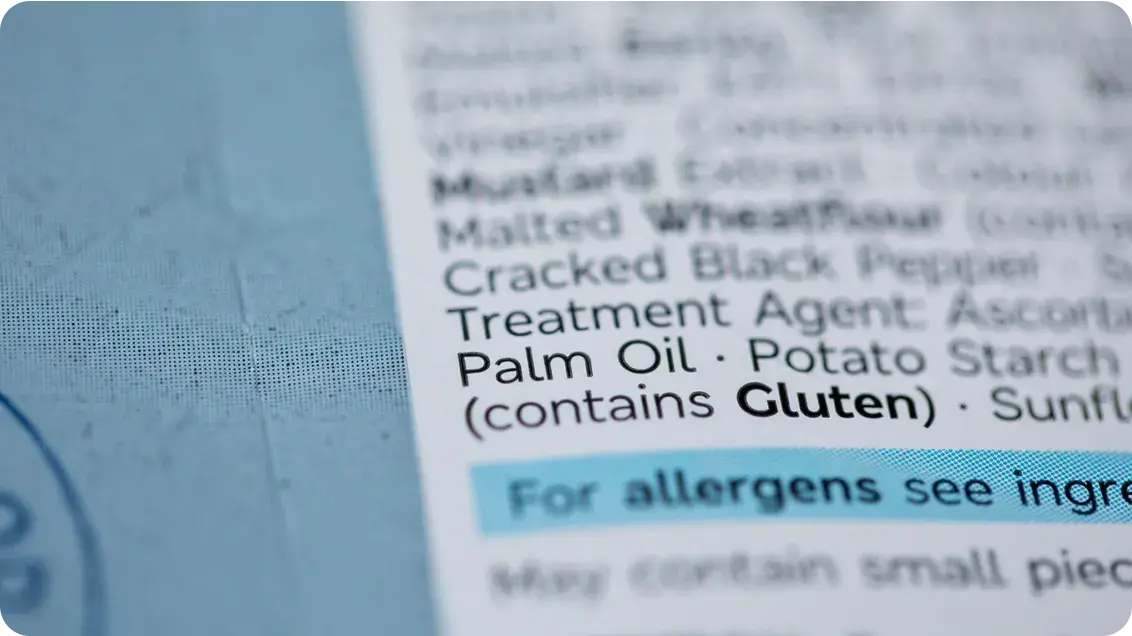
By now we’re guessing you have spent hours inspecting food labels to critique into the ingredients list. If you are on the low FODMAP diet, you know the struggle of finding foods you are allowed to eat, and label reading on food packages is hard enough at the best of times, let alone when there is a whole other list of ingredients you need to avoid. You almost need a PHD to understand what you can and cannot have!
Today we will share our simple tips on what to look out for, to help make it a little easier to select suitable products and navigate the food label when it comes to looking for low FODMAP foods in the supermarket so you can eat with confidence!
The basics
Here are our top tips for eating on a low FODMAP diet.
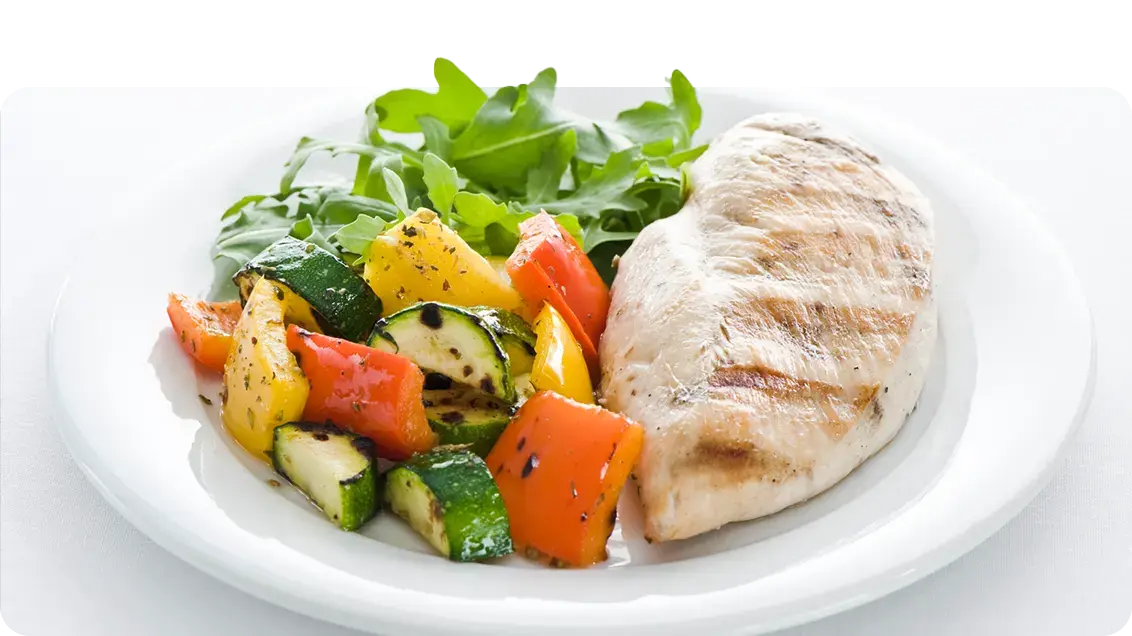
- Firstly, try to eat more foods that aren’t processed and without labels – fresh low FODMAP fruits and vegetables, meats and eggs. In this case there is no risk of additives or ingredients lists. Nice and simple.
- Our second top tip is to look for what you know. Select ingredients that you recognise, especially early on, and if in doubt it can be best to go without. During the elimination phase you want to be sure you aren’t unintentionally adding FODMAPs therefore still not feeling 100%. And the flip side too, a small number of people with medically diagnosed IBS are not affected by FODMAPs so if you are being strict you can check the FODMAP diet off your list of strategies earlier in the piece.

Handy resources
Use technology to help you find safe foods. The Monash University Low FODMAP guide app is a fantastic resource. Monash also tests packaged foods for their content of FODMAPs. Keep an eye out for their symbol, and use the app to help you find suitable products.
Check out the FODMAP Friendly website and their app – FODMAP Friendly ‘eat with confidence’ to see foods which have already been tested for their FODMAP content. The FODMAP Friendly symbol is found on food labels of certified products.
You can feel good that any product marked with either of the above logos have been rigorously tested and guaranteed to be low FODMAP.
Reading labels
Ingredients are listed in order of weight from most to least. So the first listed ingredient has the highest quantity and the last has the lowest quantity. This means when a label says: Milk, sugar, milk solids, fruit blend (strawberry puree, raspberry puree) - milk is present in the highest amount, followed by sugar etc and raspberry puree in the lowest amount.
During the elimination and challenge phase we recommend you avoid all high FODMAP foods/ ingredients. In the later stages when you are starting to reintroduce some higher FODMAP foods back into your regular intake it can be OK to include foods where high FODMAP ingredients are at the end of the label as they are very likely to be in small amounts.

A note on sweeteners
It would be simple if all foods / ingredients just stated what they are, but many different terms are used for sugar on a food label. The following are high FODMAP sweeteners to avoid: honey, high-fructose corn syrup, crystalline fructose, agave syrup, yacon syrup, fruit sugar, isolated fructose, fructose, fructose syrup, isoglucose, fructose-glucose syrup, glucose- fructose syrup, concentrated fruit juice and molasses
Low FODMAP sweeteners that are suitable to eat on a low FODMAP diet include: Beet sugar, brown sugar, corn syrup, dextrose, glucose syrup, golden syrup (in small amounts), maple syrup, palm sugar, rice malt syrup and stevia.
Hidden high FODMAP foods
Wouldn't it be easy if the food label was straight forward and had highlighted and flashing ingredients stating whether or not they are high FODMAP! Unfortunately this is not the case and often the ingredients are hidden under different names.
hidden lactose
Not all products will state lactose, so it's good to know what products contain lactose. Keep in mind milk, milk solids, yoghurt, buttermilk, cream, sour cream, milk curd and whey protein are all sources of lactose.

high FODMAP flours
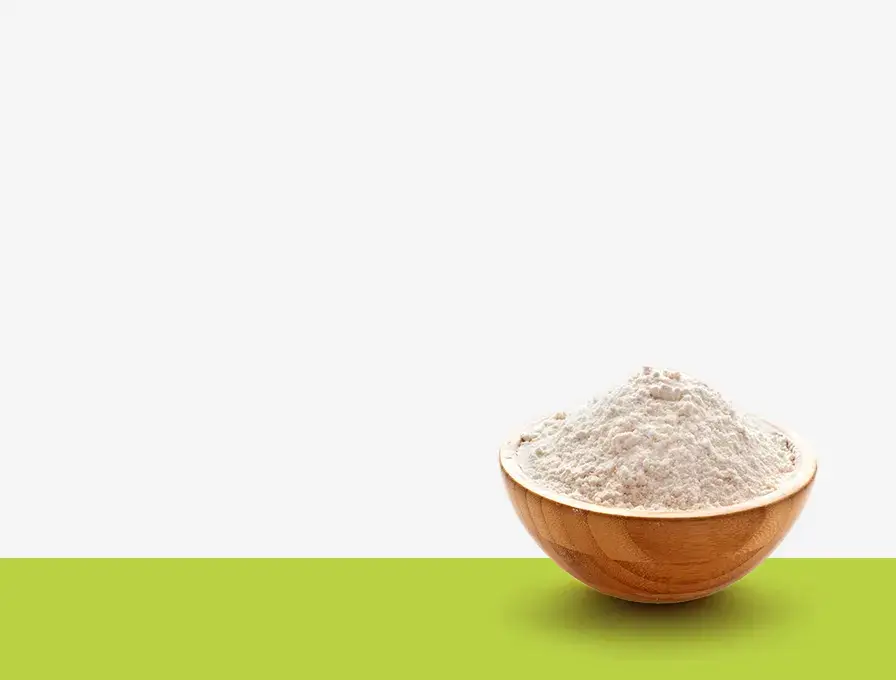
When it comes to breads and baked products, be weary of amaranth flour, amaranth, barley, einkorn, emmer, kamut, khorasan, lupin, rye, soy, coconut and wheat. While not officially tested, gram flour and lentil flour are also considered high FODMAP.
other products
Other high FODMAP ingredients to look out for are dehydrated vegetables and lupin.

Keep an eye on your inbox
That’s all for today! Stay tuned:
- Weekly inspiration to keep you on track.
- The reintroduction phase.
- Personalisation and where to from here?
- Handy resources, guides, expert tips and more!

This page is for informational purposes only and does not provide medical advice, diagnosis, or treatment. Any information published on this website or by this brand is not intended as a substitute for medical advice. If you have any concerns or questions about your health you should consult with a health professional.