


Ways to move - challenge accepted
let’s turn it up!
Give yourself a big pat on the back - you have made the decision to benefit your mind, body and spirit (well, we think so anyway!). Grab your workout gear and it is time to set goals and amp this up!



Increasing your aerobic training
Increasing your aerobic and strength training is one of the easiest ways to start seeing progress in your movement levels. You can start with small changes and slowly build up your exercises and workouts.
Is running your jam? No one is expecting you to become an overnight running superstar but running is a great way to increase your aerobic exercises in a cheap and easy way. Running will improve your cardiovascular fitness as you get your heart pumping and will also burn plenty of kilojoules.
Lace up a pair of running shoes, pop on your favourite playlist, and then either hit the running track, the road (if it’s safe!), or the treadmill at the gym.
Time for some HIIT?
HIIT – or high intensity interval training – alternates between short bursts of exercise and short intervals (30 to 45 seconds) of rest. HIIT will see your body working at maximum capacity, leaving you out of breath at the end of the workout.
You also have the option to leave out any equipment or weights, or add it on as you progress, the important element is getting your heart rate up!
Whether it's running or HIIT, these don’t have to be done in a gym. Simply adjust the exercises so that you can complete them inside at home or outside in your local park.

did you know?
Exercise can boost your brainpower - that makes for a more productive day all round!


How to increase strength training?
A great way to increase your strength training is to start off with movements that just require bodyweight (which means no equipment at all), and then slowly include equipment. Your bodyweight can be used for exercises such as squats, push-ups and lunges. When you are ready, why not move on to using heavy book/s, a large milk bottle filled with water, or anything else heavy around the house that you can hold on to.
You can easily increase the challenge of your aerobic and strength training by changing the reps (the number of times you complete a single exercise before taking a rest or a break) and sets (number of reps you do in a row between periods of rest).
Remember, when working at a moderate intensity, you want to be able to talk comfortably but not sing. If you’re working at a high intensity, you shouldn’t be able to talk or sing comfortably.

Our Accredited Exercise Physiologist expert from Exercise & Sports Science Australia, Sam Rooney, will take you through some more challenging aerobic and strength exercises to try.
Remember that you should only increase your exercise levels at a safe pace. Speak to an Accredited Exercise Physiologist like Sam to ensure you’re exercising right for you and your health.
Equipment tips
Not sure what exercise to use for strength training? Speak to an Accredited Exercise Physiologist if you want more details on how to use the many equipment options available at the gym! Here are some basics to start with:
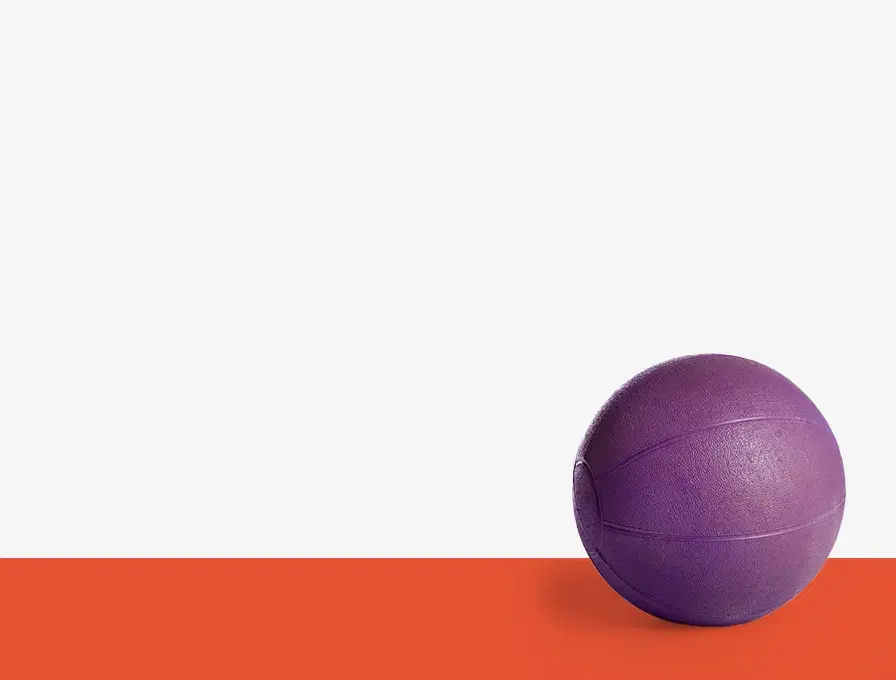
weighted balls
Firm, rubber balls (also known as medicine balls) that come in a variety of weights - great for squats, twists and lunges to name a few!
all about resistance
These giant rubber band looking devices provide great resistance when stretched - pop them around your ankles or needs for added effort.

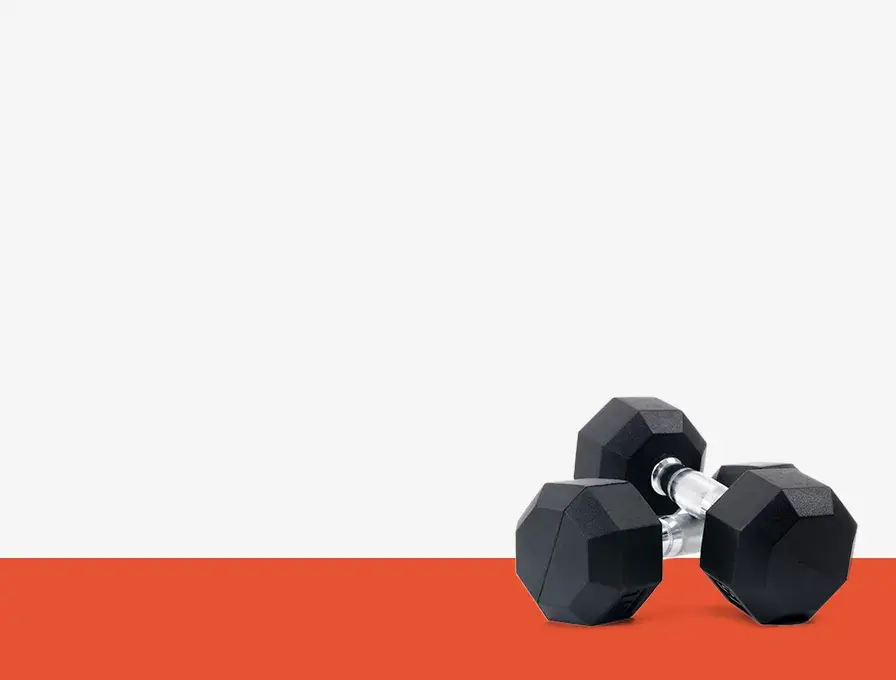
free weights for the win
Weights like dumbbells, barbells and kettlebells are great options for at home or gym workouts - choose colourful ones to brighten your routine!
Keep an eye on your inbox
That’s all for today! Stay tuned for more tips, tricks, advice and insight to help you on your way to well:
- Set SMART goals that will keep you well on track!
- More top secret tips from our experts.
- Discover our top tips to keep your movement journey on track!
This program has been developed in partnership with Exercise & Sports Science Australia (ESSA).

This page is for informational purposes only and does not provide medical advice, diagnosis, or treatment. Any information published on this website or by this brand is not intended as a substitute for medical advice. If you have any concerns or questions about your health you should consult with a health professional.