


Ways to eat- manage sugar intake- track your progress
track your progress
One of the best ways to make small changes is to track your little daily wins, and build on these as you form new healthier habits. We have a handy tracker tool for you, along with a handy guide on how to spot added sugars!


The World Health Organization
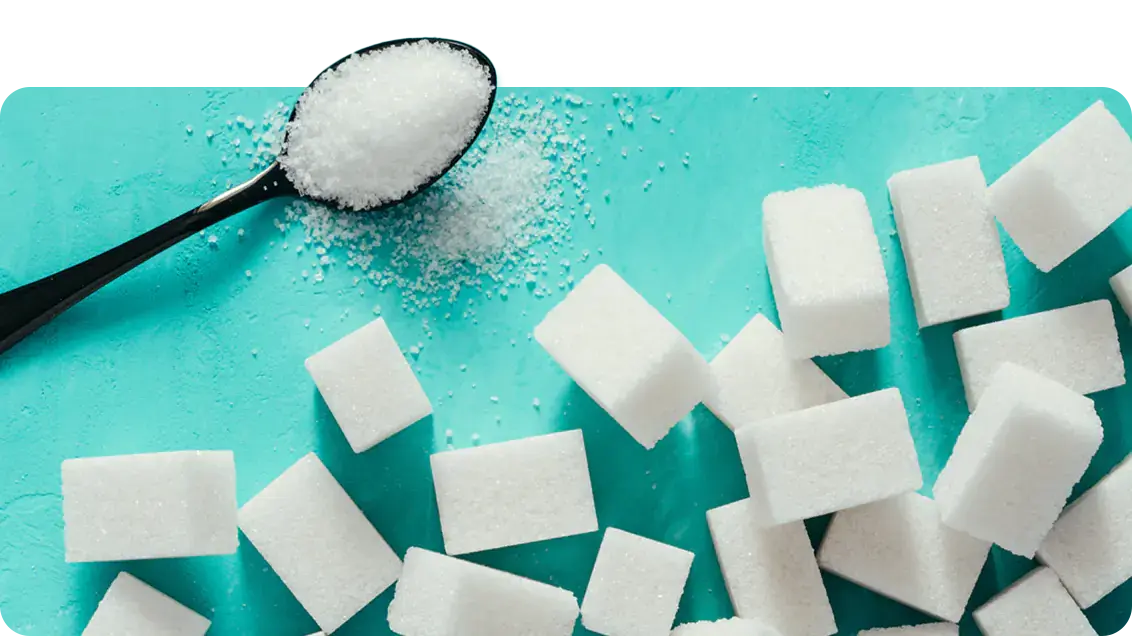
The World Health Organisation recommends that we keep free sugar intake below 10% of total energy. This means that ideally an average adult shouldn’t have more than 12 teaspoons (50 g) of sugar a day. (Note: a teaspoon of sugar = approximately 4 grams.)
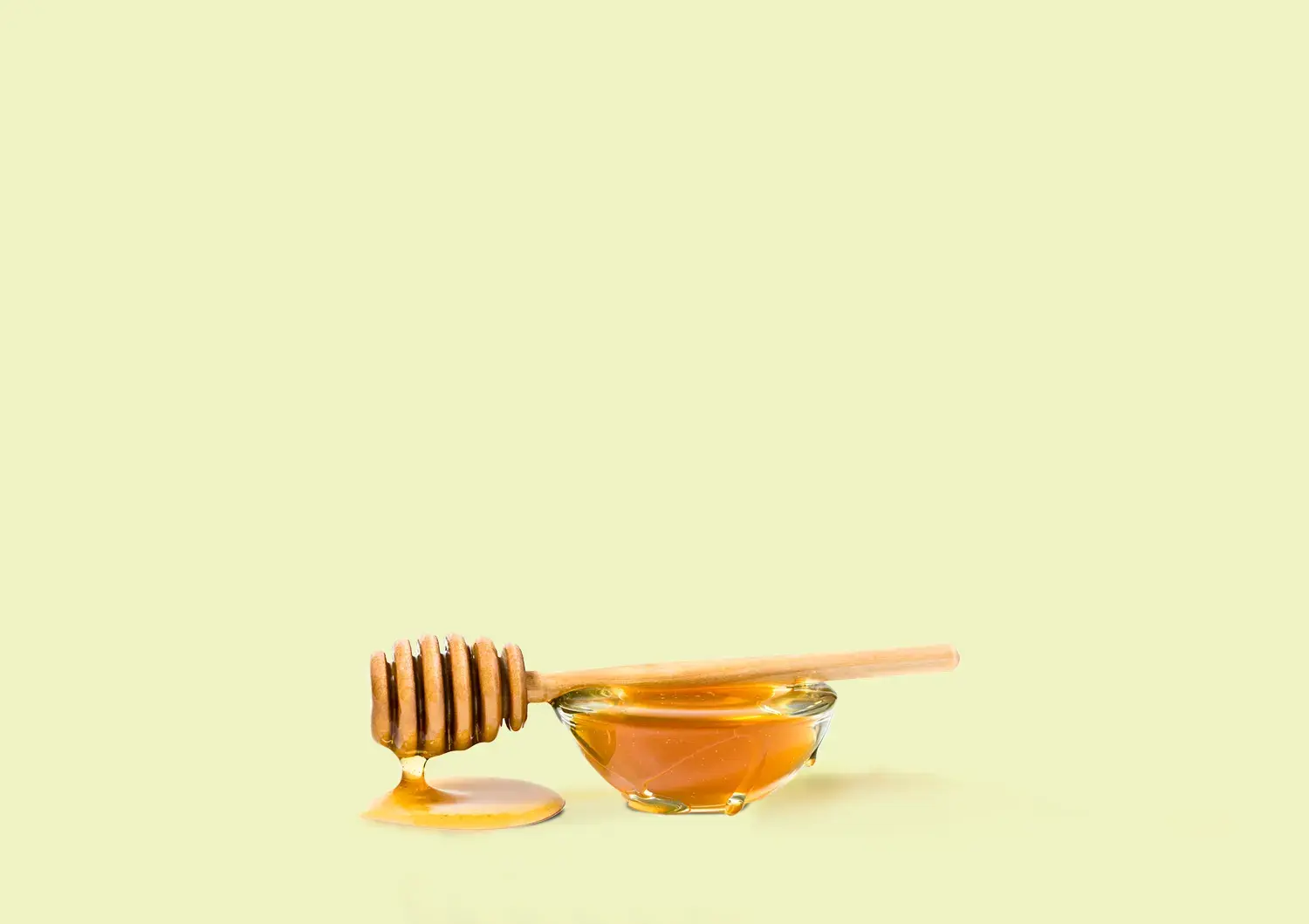
What is free sugar? It is sugar added to foods and drinks, and sugars naturally present in honey, syrups, fruit juices and fruit juice concentrates.
You will be amazed at how much added sugar is packed into common treats and snacks. Some may even contain the full 12 teaspoons of added sugar in two or three serves.
Spot hidden sugars
It is quite tricky to spot added sugar in foods. It is not always called sugar. Sometimes sugar is referred to as glucose, sucrose or fructose. That is why we are equipping you with the knowledge to spot these ‘hidden’ sugars with a variety of different names.
Ideally, sugar isn’t listed as one of the first few ingredients on the packaging. That’s because ingredients are listed in order of weight. When you see the term ‘syrup’ in an ingredient name, it is likely that it refers to an added sugar (e.g. malt syrup, maple syrup, agave syrup). Also look for the word concentrate - as this might also be sugars.

did you know?
Words ending in ‘ose’ are usually sugars e.g. D=dextrose, maltose.

Track your added sugar foods
Over the next five days, make a note of all the added sugar foods you eat, especially those that taste sweet as they probably contain added sugars.
At the end of the five days, how many serves of these foods can you count? What changes and swaps could you make to try and reduce that amount of sugar? We’ll continue to share more ideas on making healthier, sweet swaps in this program.
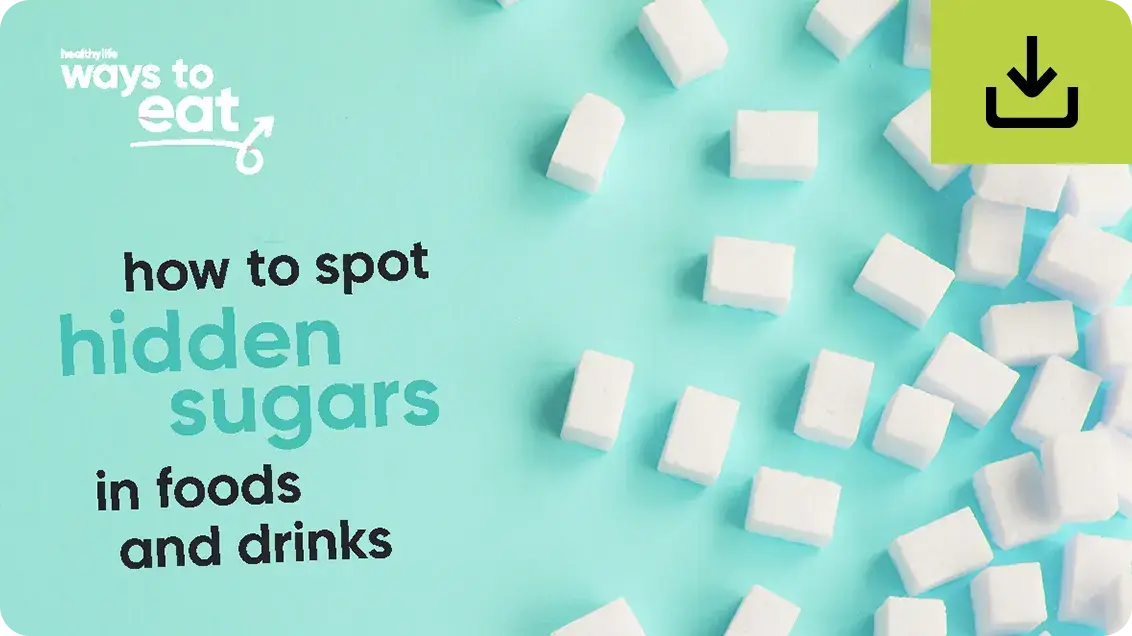
To help you with this challenge, we’ve popped together this cheat sheet - How to spot hidden sugars in foods and drinks.
Download our cheat sheet here
To help you on your way, our expert dietitian & nutritionist, Lyndi Cohen shares her tips on how to be more conscious of your sugar intake.
Let’s share some more sugary facts
Tip! Instead of referring to food as being ‘good’ or ‘bad’, can you start to think about foods naturally containing sugar and those with added sugar. Eating cake everyday isn’t good for your health but enjoying cake sometimes can be part of a healthy, balanced diet.
ever felt ‘hangry’?
Your brain uses sugar (in the form of glucose) to function. In fact, the brain uses glucose as its main energy source.

fuel your body
Your muscles also rely on sugar (in the form of glucose) to function, especially during sport and exercise.

is sugar good or bad?
Eating cake everyday isn’t good for your health but enjoying cake sometimes can be part of a healthy, balanced diet.

Keep an eye on your inbox
You're almost there! Stay tuned for:
- A sweet little summary of all that we've covered.
- Some more handy lower sugar recipes.
This page is for informational purposes only and does not provide medical advice, diagnosis, or treatment. Any information published on this website or by this brand is not intended as a substitute for medical advice. If you have any concerns or questions about your health you should consult with a health professional.