


Living Healthy Report 2023 | healthylife and Woolworths Group

This report tells a story about Australians’ health and wellbeing, how we’re coping in challenging times, how much of our burden of disease is preventable, and the opportunities for us to work together towards a brighter future.
Leveraging our unique Woolworths Supermarket data, Living Healthy Report 2023 is brought to you by healthylife, a digital health business backed by Woolworths Group.
Here’s what’s inside – and why it matters.
A word from our Chief Health Officer
Hear from Chair of the healthylife Advisory Board and Accredited Practising Dietitian, Simone Austin, as she breaks down what you can expect inside this year’s edition of the Living Healthy Report.
Living Healthy Report 2023 - An Introduction
"What is healthy eating?" might seem a simple question with a simple answer. But with every individual having different nutritional needs and the planet’s health to also consider, the answer is far from simple.

<span style="font-size: 96px">27</span><span style="font-size: 48px">k</span>
Is the number of preventable deaths in Australia each year due factors caused by poor diet.
<span style="font-size: 96px">2.6</span>
Is the number of daily serves of veggies Australians are eating per person per day. That's down from 2.8 in 2021 and around just half of the recommended 5–6 serves per day.
↓ 7.14% from 2021
What the research shows

Legumes and the total burden of disease are strongly linked.
But how? The answer may surprise you.

Australians aren’t purchasing their recommended daily serves.
Worryingly, our data suggests this is true for all of the five core food groups.

Discretionary foods had a downward turn.
From 6.9 serves per person per day in 2021 to 6.1 serves per person per day in 2022. But does more out-of-home eating play a part?
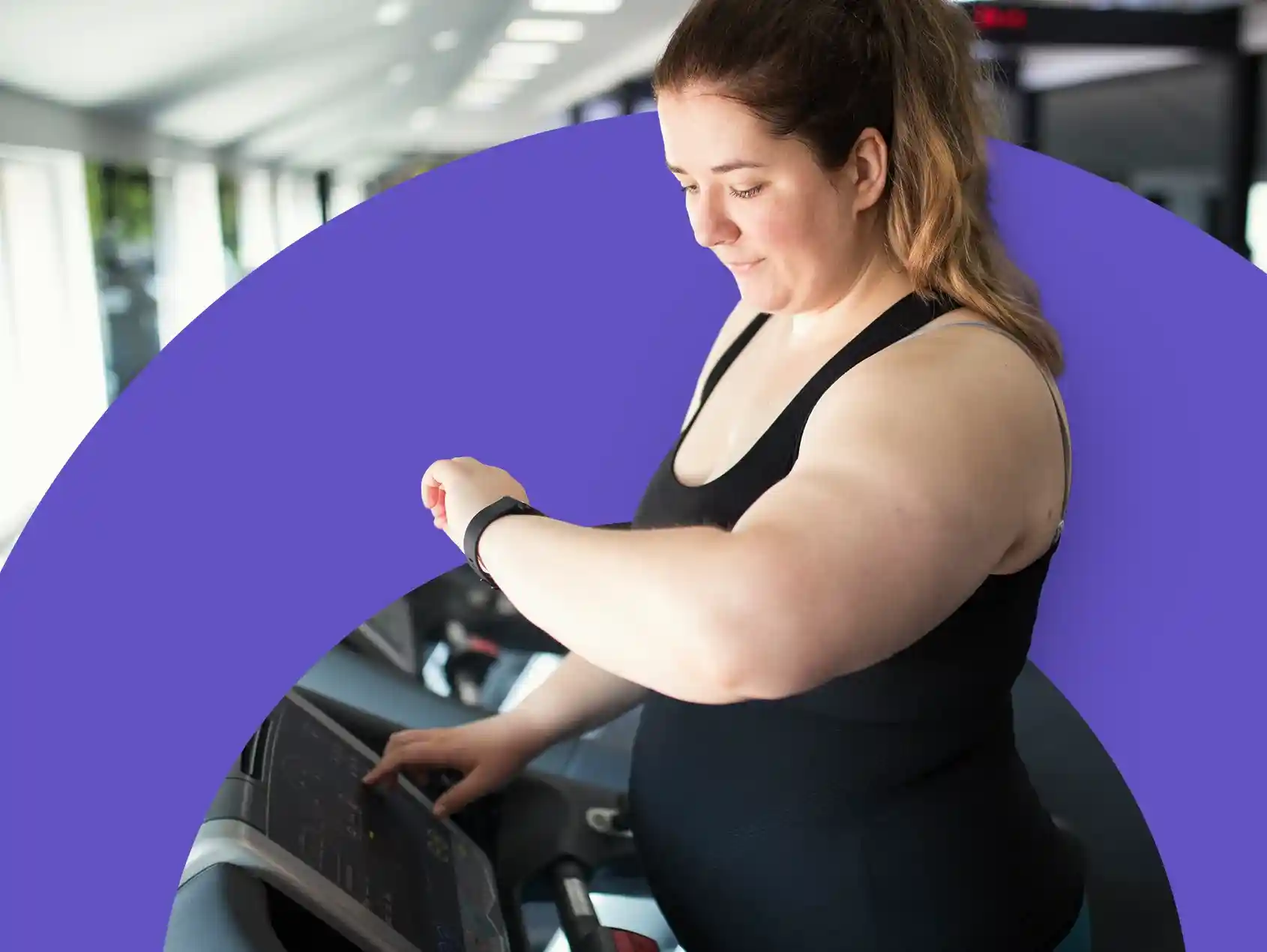
Many Australians don’t get enough exercise. This has partly driven by economic factors, and shows the influence social determinants have on our health. Here’s how we can help change that for the better.
<span style="font-size: 96px">2</span><span style="font-size: 48px">nd</span>
Biggest risk factor to the burden of disease in Australia is physical inactivity, costing $15.6 billion per annum in healthcare and lost productivity.
<span style="font-size: 96px">24.5</span><span style="font-size: 48px">%</span>
The number of Aussies aged 18-64 that meet Australia’s physical activity guidelines. Around 65.5% partly meet the guidelines, but often fail to achieve the twice a week muscle strengthening activity recommendation.
What the research shows

Falls and musculoskeletal disorders are very costly
To both Australians’ quality of life as well as the health system. Why is this the case?

Only 25% of children aged 5-14 meet the physical activity guidelines
It it crucial to encourage participation. How can the government play a part?
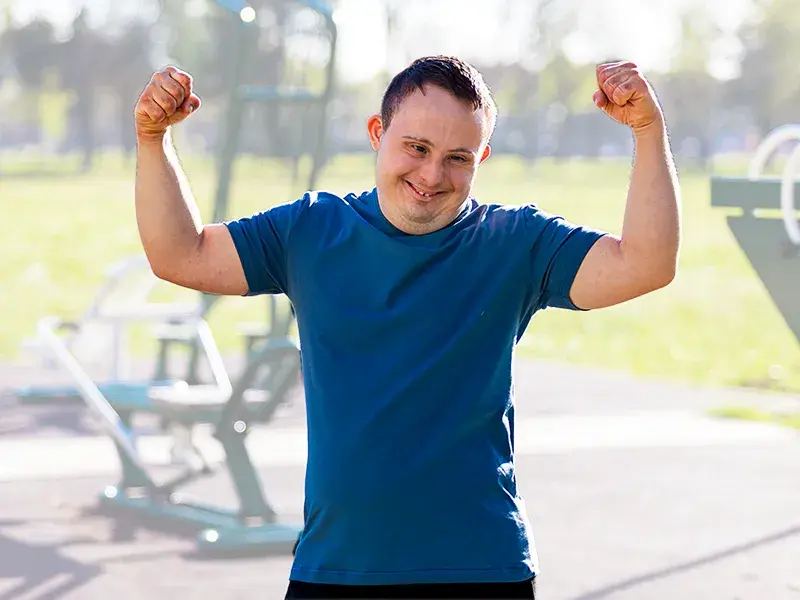
75% of people with a disability aged 15+ are not sufficiently active
Find out how government and businesses can help change that.
Mental health is just as important as physical health. There are many areas at a population level where our mental health and wellbeing could be strengthened. Where should we start?

<span style="font-size: 96px">1</span><span style="font-size: 48px"> in </span><span style="font-size: 96px">5</span>
Australians reported a mental or behavioural condition in 2020-2021, with anxiety disorders being the most common.
<span style="font-size: 96px">63</span><span style="font-size: 48px">%</span>
Of Australian workers’ mental health has been negatively affected by their work.
What the research shows

Inadequate sleep costs Australians $40.1 billion in the loss of wellbeing
Change starts with government funding and policy, corporate social responsibility and personal responsibility.

41% of kids report the pandemic had a negative wellbeing impact
It is critical we act now to address these mental health outcomes.

Climate change is impacting our mental health
Affecting more than 50% of Australians, it’s an urgent priority for all. How can we act?
To stay healthy is to maintain your best physical, mental and social wellbeing. It involves prevention underpinned by proactivity over reactivity from individuals and decision-makers. Here’s how we can improve our focus on Australia’s wellbeing.
<span style="font-size: 96px">75</span><span style="font-size: 48px">%</span>
Of Australians regularly use a complementary medicine, a category that includes non-prescription medicines like vitamins, mineral and nutritional supplements, and more.
<span style="font-size: 96px">37</span><span style="font-size: 48px">%</span>
Is the drop in cigarette sales at Woolworths Supermarkets from 2020-2022, continuing a trend of reduced smoking prevalence in Australia thanks to successful preventive health measures.

What the research shows

Dementia is the second leading cause of death in Australia.
And it’s on the rise. How can we improve our systems to better manage this condition?
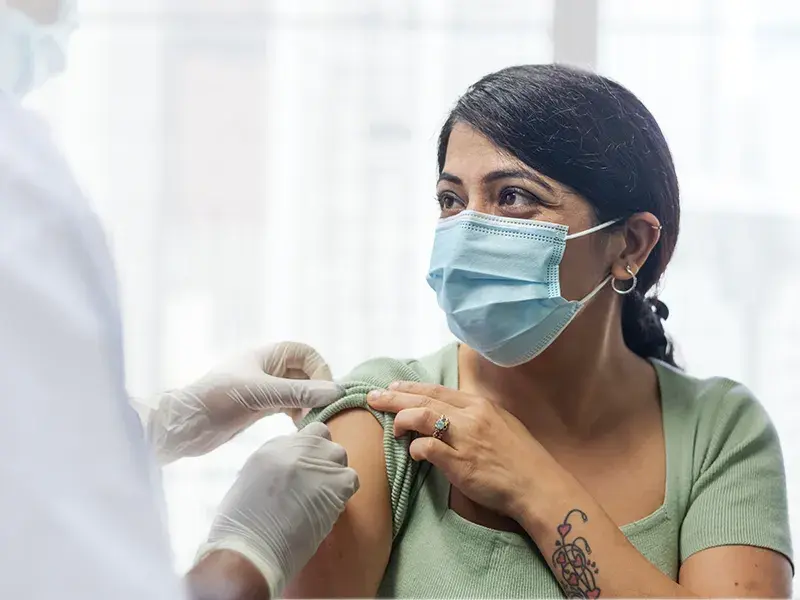
Our healthcare system is changing for the better
In large part thanks to pandemic-mandated social isolation measures. Here’s what it means for the future.
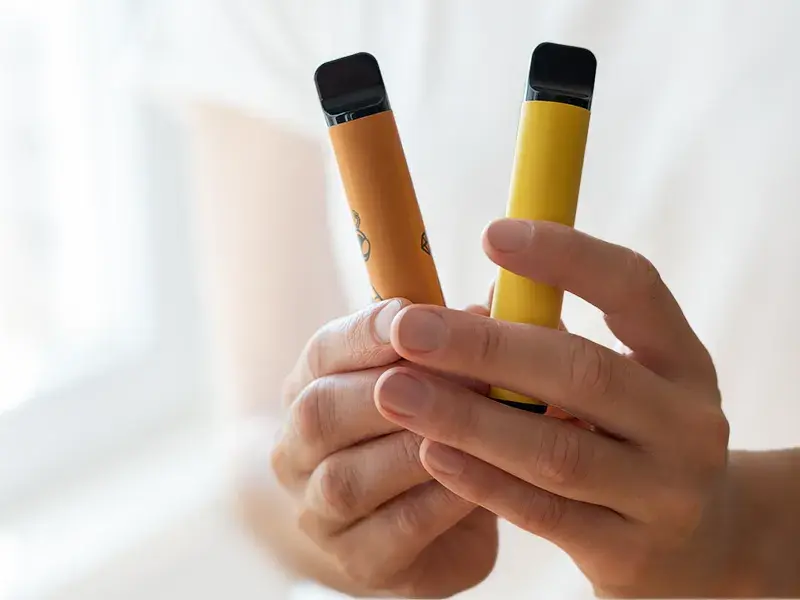
One-third of children aged between 14 and 17 reporting vaping
While tobacco sales are on the decline, this is the new challenge to be addressed.

Where to next?
In light of these research and findings, healthylife’s Advisory Board has proposed recommended next steps. We hope having these calls to action and examples of initiatives ready at your fingertips will inspire the change necessary to help Australians live a long, healthy life.
The healthylife Advisory Board
Every member of our Advisory Board is a qualified health expert in their field, bringing a wide range of perspectives and experiences to help ensure all of healthylife’s initiatives are based on science.

Simone Austin
Chief Health Officer, healthylife, Chair of Advisory Board and Dietitian
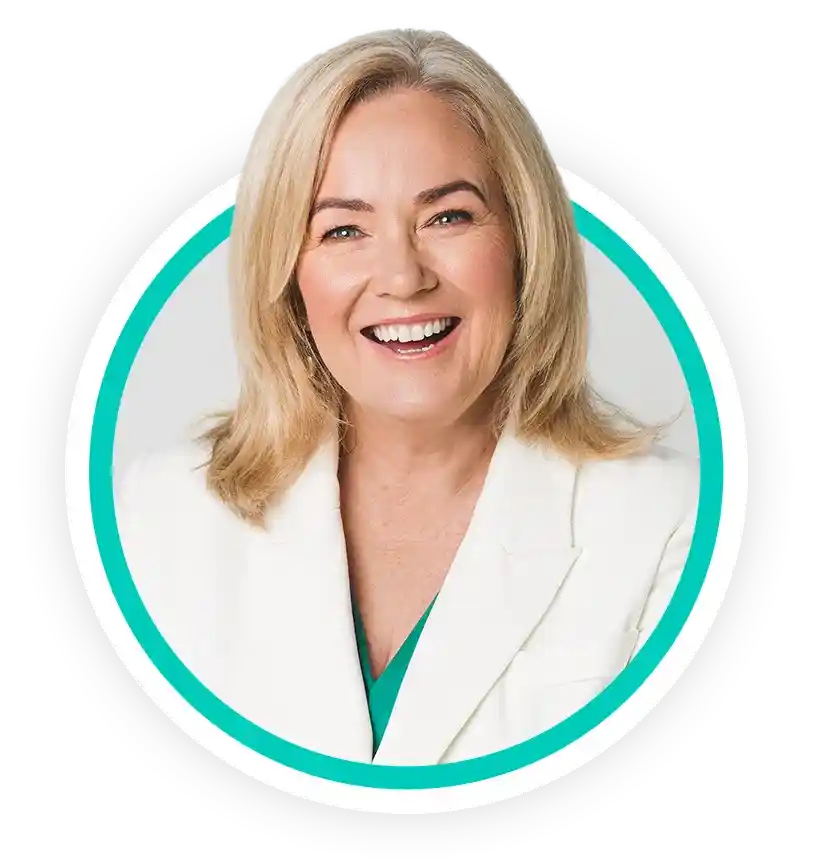
Dr Moira Junge
Health Psychologist, CEO Sleep Health Foundation

Sarah Gray
General Manager of Health and Nutrition, healthylife, Pharmacist and Nutritionist

Stevie Wring
Head of Health and Nutrition Woolworths Group, Public Health Nutritionist and Lifestyle Medicine Practitioner

Dr Dinesh Palipana
Emergency Department Doctor and Senior Medical School Lecturer, Lawyer

Dr Rob McCartney
Chief Medical Officer Woolworths Group, Occupational and Environmental Physician
Download the report
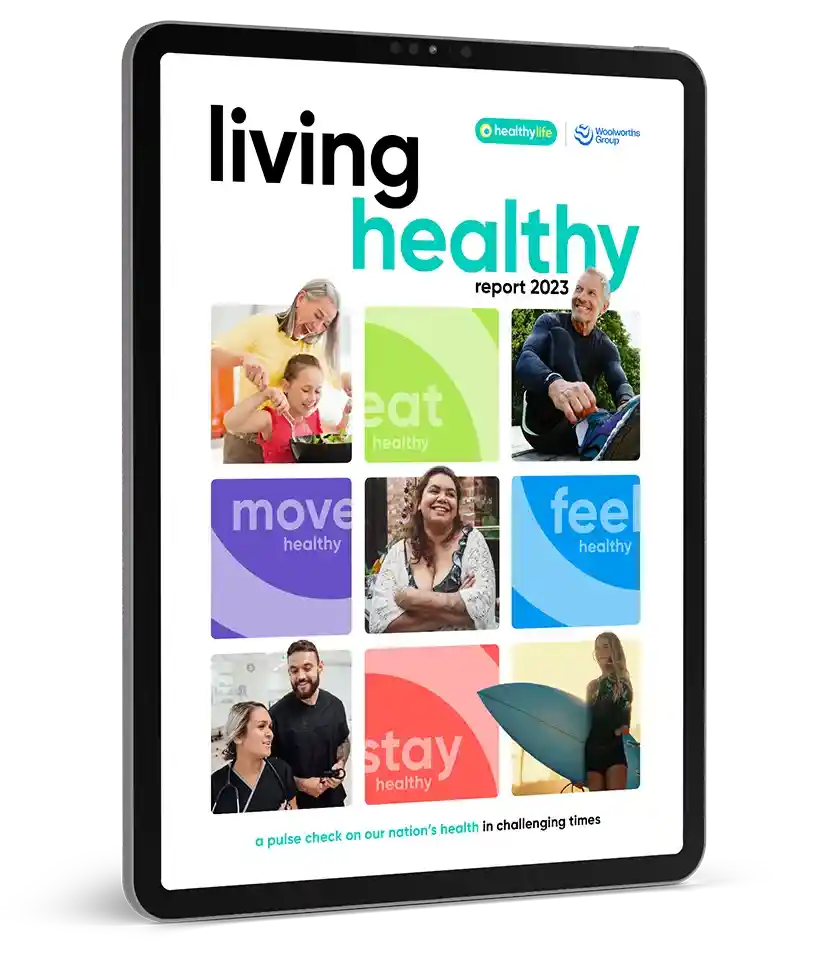
Explore the many opportunities for Woolworths Group, industry, government and the wider community to both individually and together improve Australians’ health and wellbeing.
Disclaimer: This report does not provide health or medical advice, and does not take into account your individual circumstances, health requirements or specific dietary requirements.
No representation is made about individual improvement to health. Any information published is not intended as a substitute for health or medical advice. If you have any concerns or questions about your health you should consult with your GP or other health professional.
Aboriginal and Torres Strait Islander people should be aware that this report may contain the names and images of deceased persons.
A full list of references and insight data can be found inside the Living Healthy Report 2023 or via the link.