


In or out? Get the scoop on 2024 health trends.
Welcome to the hottest health trends for 2024. We’re talking about everything from grounding sheets—your cozy ticket to connecting with Mother Earth while you snooze—to the carnivore diet, where meat reigns supreme and veggies take a backseat.
And let’s not forget castor oil, the dopamine menu, and rejection therapy, all getting their fair share of the wellness spotlight! So buckle up as we unpack these trends with the experts from our Healthylife Advisory Board. It's time to find out what really works.
Trend: Carnivore Diet
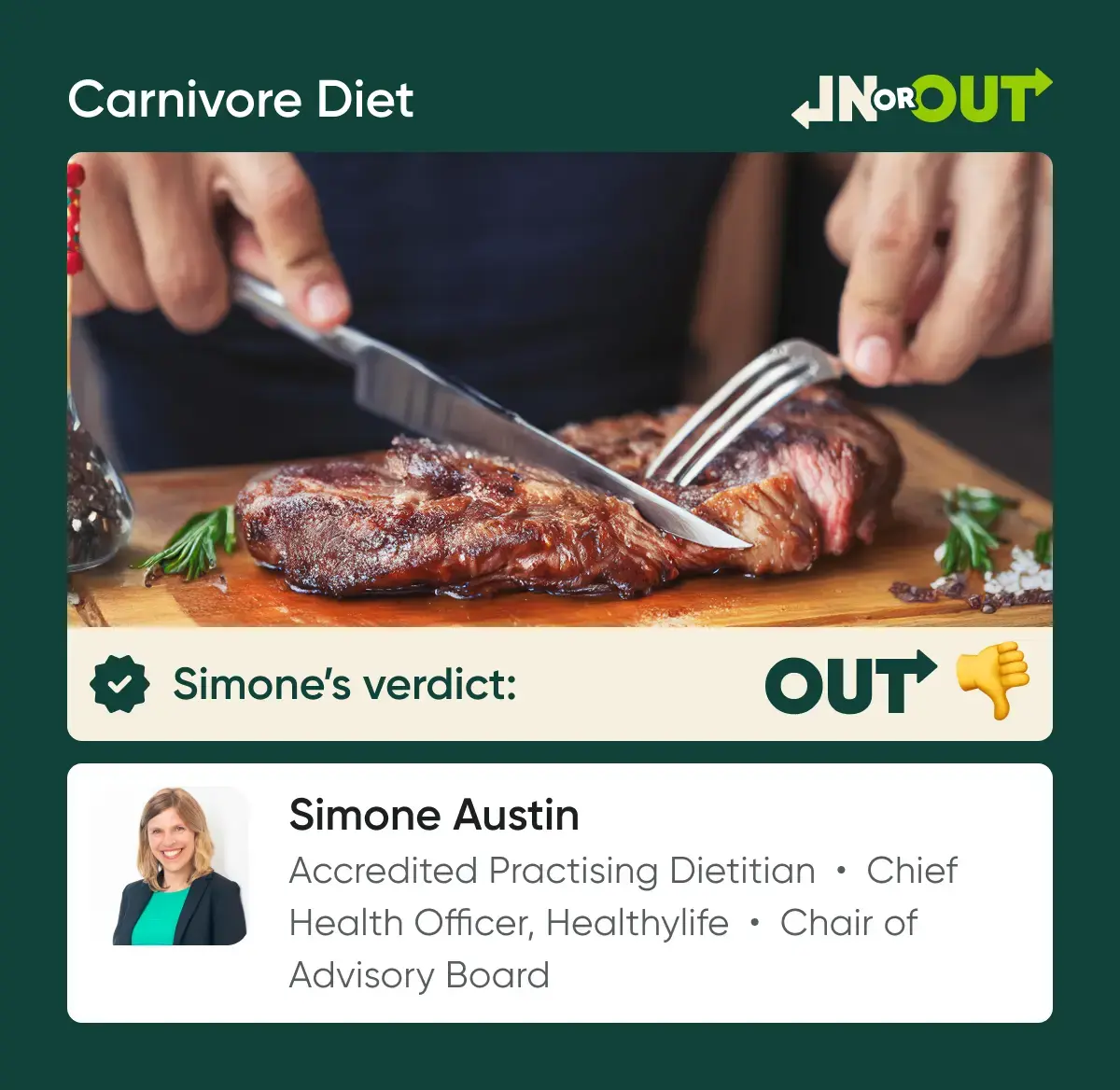
In October this year, searches for “carnivore diet” rose to their highest levels in Australia to date. The carnivore diet is all about eating animal-based products—beef, bacon, butter, and eggs—while cutting out everything else. It's a bold move where meat takes centre stage, and plant foods, including fruits and vegetables, are sidelined entirely.
Popular on platforms like TikTok, followers of this trend claim that this diet is key for physical and mental wellbeing and offers benefits like increased mental sharpness and even weight loss. But could it do more harm than good?
What Simone Austin, Advanced Sports Dietitian, says:
I love the variety of foods we have available to us for the flavours, textures and nutrients they provide. The carnivore diet, however, unnecessarily restricts us from the wonderful world of plant foods.
As we learn more about the importance of gut health, it becomes clear that eliminating plant foods isn’t ideal. The need to feed our gut microbiome with different dietary fibres means plants are absolutely necessary. Plus, consuming too much meat and butter can also increase the risk of many chronic diseases.
The verdict?
Variety is key. Plant foods offer a huge range of nutrients that should dominate our diet with animal-based products as an add on. The carnivore diet is definitely out—a balanced, nutrient-rich diet embracing a diverse range of whole foods is the way to go!
Trend: Rejection therapy
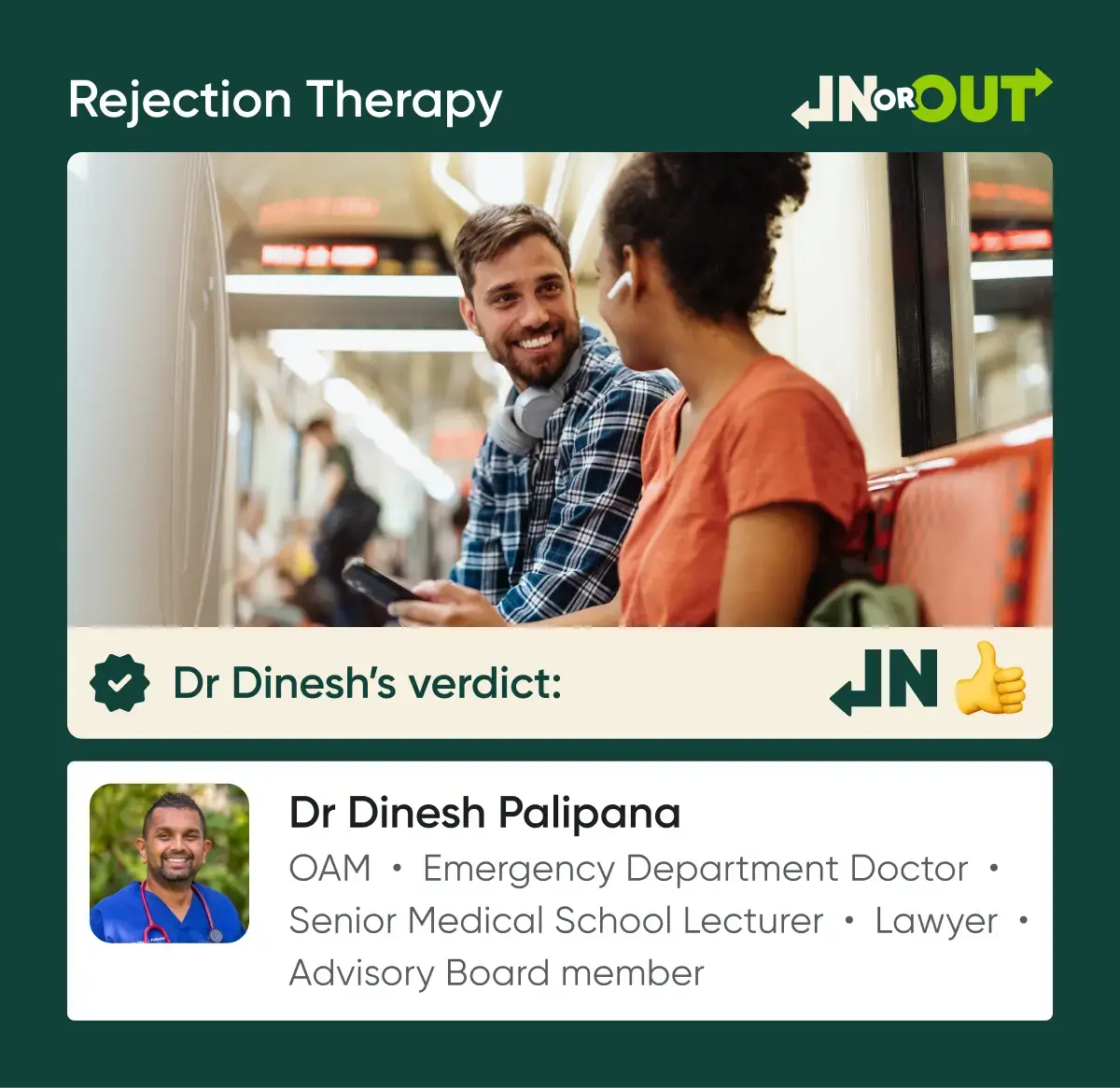
In 2024, “rejection therapy” emerged as a viral TikTok trend, inspiring millions to face their fear of rejection head-on. The concept? Put yourself in mildly uncomfortable situations that are likely to end in a “no” — from asking strangers to join them for tea to making public announcements on planes.
Fans of rejection therapy claim it builds confidence, improves social skills, and helps them care less about judgement. But is there science to support these bold claims?
What Dr Dinesh Palipana, OAM, Emergency Care Doctor & Lawyer, says:
Rejection therapy was partly popularised by Jia Jiang in a TED talk. It’s a form of exposure therapy, a tool in psychology. Used with the help of a psychologist, exposure therapy can be a useful method to treat, for example, phobias. If it’s in a safe context, there may be little harm in trying rejection therapy.
However, there’s rarely one thing that makes a sweeping positive change to our lives. That’s the pitfall with most trends. If you’re wanting to make a change, link in with a psychologist that you trust - they may have more tools to help you make lasting positive changes.
The verdict?
Rejection therapy can be in, as long as it's in a safe environment, or under the guidance of a qualified therapist.
Trend: Grounding sheets
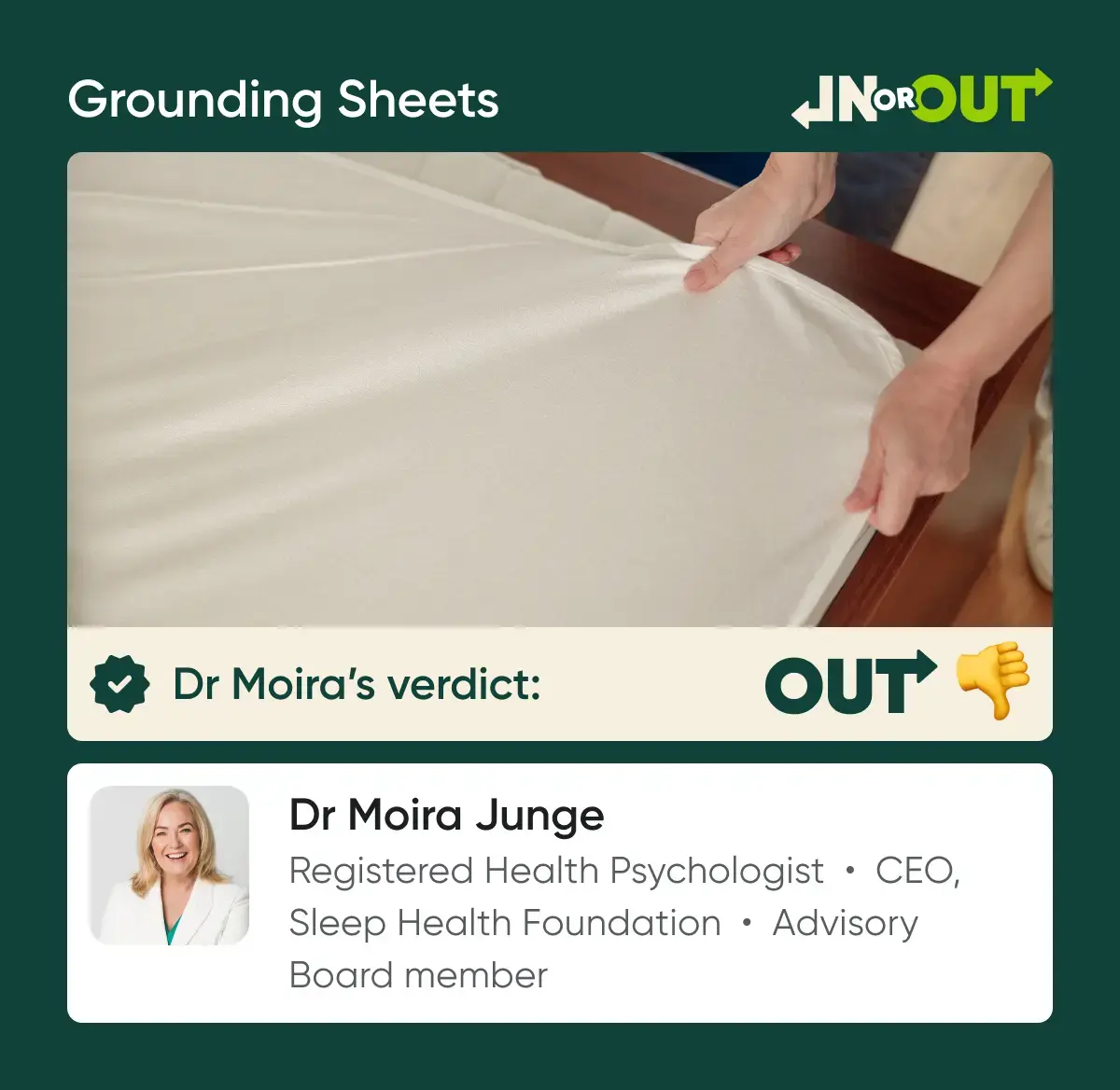
Grounding sheets are making waves online as the latest sleep trend, inspired by the concept of 'earthing.' These sheets are woven with conductive materials like carbon or silver and plug into a wall socket or connect directly to the ground, aiming to link you to the Earth’s natural energy.
Fans say this connection can lead to better sleep, reduced stress, pain relief, and even faster recovery by balancing the body’s positively charged electrons with the Earth’s negatively charged ones. But what does the science say?
What Dr Moira Junge, Registered Health Psychologist, says:
There are no long term or short-term scientific research studies on this trend, so there is no available evidence to confirm its safety or true effectiveness. There are many simple, cost neutral and evidence-based strategies people can try to use if they’re struggling with their sleep, before deciding to plug a blanket into an electrical source overnight.
If many people are finding it useful then this is good for them, and they can continue to use it knowing the benefits for them. They are most likely to be placebo effects, which is OK as long as it’s not costing them a fortune.
The verdict?
Based on scientific evidence, this is not a trend I would recommend. Connecting with the earth’s natural energy can be done for free by getting out into nature as much as you can in your waking hours.
Learning about the reasons sleep is disturbed would be more beneficial than going with a trend that might not address the true source of the sleep disturbance. So this one’s officially an ‘out’ (for me at this stage).
Trend: Dopamine menu
The “dopamine menu” surged in popularity this year as a viral productivity hack proposed to boost happiness and motivation throughout your day, particularly for those who are neurodivergent. Originating from Jessica McCabe’s “How to ADHD” YouTube channel, this concept involves creating a list of simple, enjoyable tasks that trigger a feel-good dopamine boost.
The menu is divided into categories like:
- Starters: Quick wins that take little time
- Mains: Longer, rewarding tasks that bring joy
- Desserts: Activities you might enjoy in moderation
- Sides: Tasks you can multitask with, like listening to a podcast
- Specials: Big-ticket activities that take a bit more time
When motivation starts to dip or boredom creeps in, then you refer to your dopamine menu to try a fun pick-me-up activity to offset this boredom. The idea is that these feel-good activities can trigger a dopamine surge, the “happy hormone,” keeping you focused, energised, and on track. Sounds good in theory, but does it actually help support productivity?
What Dr Rob McCartney, Occupational & Environmental Physician, says:
Dopamine is a neurotransmitter that promotes learning and motivation by providing a sense of pleasure, not only when you achieve something, but also in anticipation of future rewards - helping you stay on task even when the reward is a while away.
Dopamine has also been linked with creativity, movement, memory, and alertness. We can’t entirely control our dopamine levels, but some ways to increase it include listening to music, physical exercise, meditation, achieving even small goals, and experiencing new things.
Getting enough sleep and eating foods rich in tyrosine (nuts, bananas, lean meats) can help improve dopamine long term.
The verdict?
Why not? This trend is focused on being aware of your energy levels and managing your work to take advantage of it, which can improve anyone’s productivity. Finding constructive ways to boost your dopamine like celebrating your small wins increases your engagement at work and in life.
Take that dance break, you’re doing great!
Trend: Castor oil
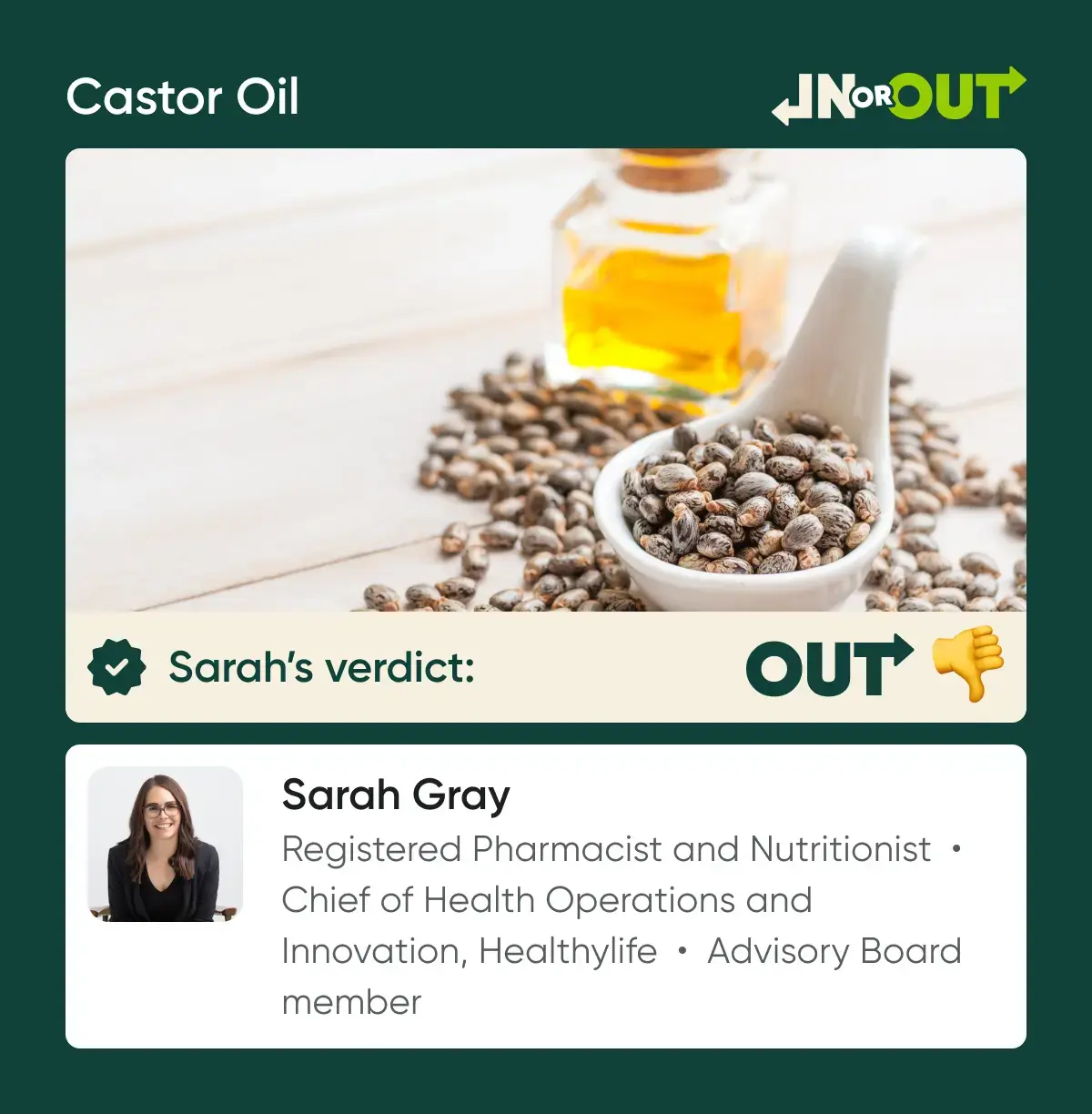
In 2024, castor oil became a trending health fix, with people using it in creative ways—rubbing it on their stomachs, wrapping it in towels as ‘castor oil packs’, or applying it to their hair and skin.
Fans say it promotes hair growth, aids weight loss, and even helps shrink tumours. But are these claims backed by science?
What Sarah Gray, Registered Pharmacist & Nutritionist, says:
While it would be wonderful to have a simple remedy like castor oil to solve many health ailments there isn’t enough evidence to support many of the claims.
The only claim that has some merit is the laxative effects, which is a result of castor oil being rich in ricinoleic acid, an acid which ultimately leads to increased movement in the intestines, making it easier to go to the bathroom.
As for weight loss, hair growth, anti-tumour and other effects, these are not supported by any valid scientific evidence.
The verdict?
Opt for evidence-based remedies. Following unsubstantiated social media trends is not the best way to treat your health conditions - seek expert health advice.
Related articles:
Reviewed by Healthylife health experts December 2024
Related reads







This article is for informational purposes only and does not provide medical advice, diagnosis, or treatment. Any information published on this website or by this brand is not intended as a substitute for medical advice. If you have any concerns or questions about your health you should consult with a health professional.