


Cancer Screening: How it works & when to have one

Screening for any disease is a big topic. Cancer screening, specifically, is an important topic.
This is because, as of 2024, it is estimated that around two in five people will be diagnosed with cancer by the age of 85. For cancer, an early diagnosis is critical. Screening is a part of early diagnosis, but it's a complex topic. Let’s break it down.
What is cancer screening?
Tests in medicine have a number of factors in their usefulness. Some of these factors include terms like sensitivity, specificity, and predictive values, all of which can speak to how well a test will work.
For example, some blood tests are great at telling us, if they are negative, that a disease is absent. The same blood test may not tell us with certainty, if positive, that a disease is present. From blood tests, to imaging, to bedside tests, these factors can vary.
When it comes to screening, these factors are taken into account. But, there are some other points to consider as well, including the cost of the test, how present a disease might be in a population, and even the severity of that disease. For example, a thousand dollar screening test to detect whether a person has the common cold is not useful.
How does cancer screening work?
With cancer screening, experts in public health, oncology, statisticians, and other disciplines get together to develop screening programs. They take into account all this information to consider what screening programs need to be rolled out in the country. Cancer screening is lifesaving for many Australians.
Australia has free national screening programs for breast cancer, bowel cancer, and cervical cancer. Still, depending on your risk factors and individual circumstances, your doctor may choose to be vigilant about other different types of cancers as well.
What are the different types of screening?
Breast cancer involves imaging. Bowel cancer involves a home testing kit. Cervical cancer screening involves the collection of a sample from your cervix. All of these tests are performed differently, but have been developed to effectively screen our population for these diseases. They are done at different intervals for different age groups and risk factors. Some tests, like the bowel cancer test, may even turn up in your mailbox at the right time.
How to have positive conversations with your health professional
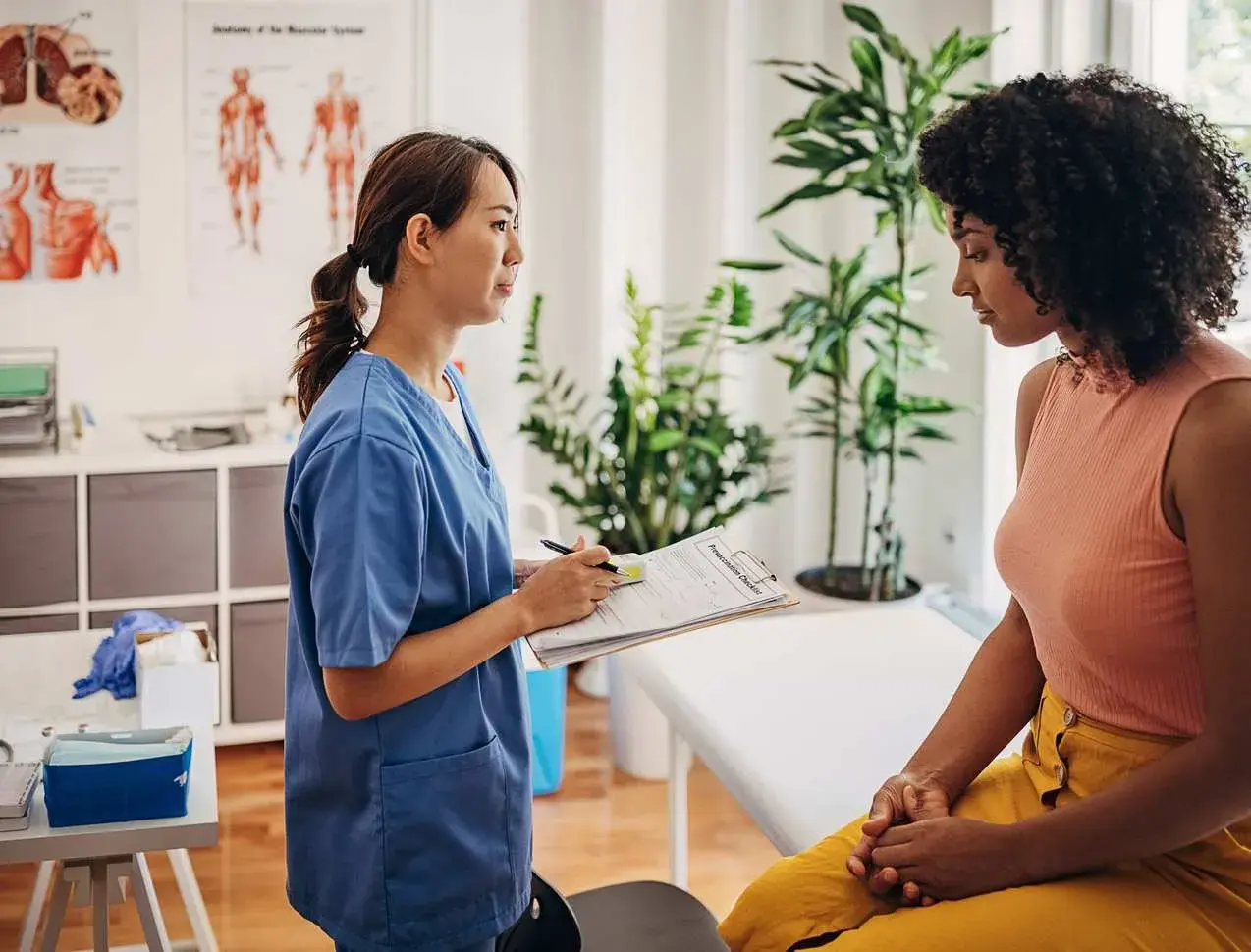
As they say, prevention is better than cure. The key to prevention of diseases are open conversations with a general practitioner that you trust. General practitioners go through years of training, even after medical school, to specialise in this area. Sometimes, it can be a bit of trial and error to find someone you feel most comfortable with. However, find a general practitioner that understands you, your life, and your circumstances, while maintaining a good rapport throughout your life. On top of other diseases, they are the best port of call to talk to about what personalised testing you might need on top of the national screening programs, depending on your individual circumstances.
The bottom line
Australia is lucky to enjoy national free screening programs. Early detection is critical for cancer, and participating in our screening programs is important. However, talk to your doctor about what other testing you might need.
Related reads











This article is for informational purposes only and does not provide medical advice, diagnosis, or treatment. Any information published on this website or by this brand is not intended as a substitute for medical advice. If you have any concerns or questions about your health you should consult with a health professional.
About this article

Dr. Dinesh Palipana
Dinesh is a doctor, lawyer, disability advocate, and researcher in spinal cord injury. He has a spinal cord injury with quadriplegia. Dinesh works in the emergency department of the Gold Coast University Hospital. He is a senior lecturer at Griffith University. He was the first quadriplegic medical graduate in Queensland.