


Running on empty? Check your iron levels

There are many different factors that may cause low energy. Illness, stress, grief, depression, lack of sleep, lack of regular exercise and poor diet quality can all lead us to feeling lethargic and sluggish.
When it comes to key nutrients, iron is important as it helps the red blood cells deliver oxygen from the lungs to all the other cells in our body. Without it, our bodies can't make enough healthy red blood cells which may impact your energy levels. Here’s the lowdown on iron and how to support healthy levels so you feel your best.
Why is iron important?
Iron is essential for producing haemoglobin, a protein in red blood cells that carries oxygen from the lungs to the rest of the body, supporting energy and overall function. It also plays a vital role in immune health, brain function and muscle function.
Iron deficiency is the most common nutrient deficiency in Australia, and is something that women especially are prone to. Almost 40% of women aged between 14-50 years old are not getting enough iron through their food. In contrast, 3% of males are not getting enough iron.
What is iron deficiency?
Iron deficiency occurs when the body doesn’t have enough iron to produce sufficient haemoglobin, leading to reduced oxygen delivery to tissues. This can cause symptoms like fatigue, weakness, pale skin, shortness of breath, and, if untreated, may progress to iron deficiency anemia.
8 symptoms of iron deficiency:
- Feeling tired or fatigued
- Skin that is more pale than usual
- Shortness of breath
- Weakness
- Trouble with concentrating or remembering things
- Headaches
- Decreased libido (sex drive)
- Weakened immune system
Why are women prone to iron deficiency?
Women require twice the amount of iron as males due to the blood loss during menstruation.
Iron needs change across life stages
Iron is important throughout all life stages but requirements change according to age, sex and certain life situations such as pregnancy.
Iron requirements increase for women of childbearing age, pregnant women, and growing kids. Those following a vegan or vegetarian diet need to pay extra attention since plant-based iron isn’t as easily absorbed by the body as iron from animal sources.
How much iron should you aim for?
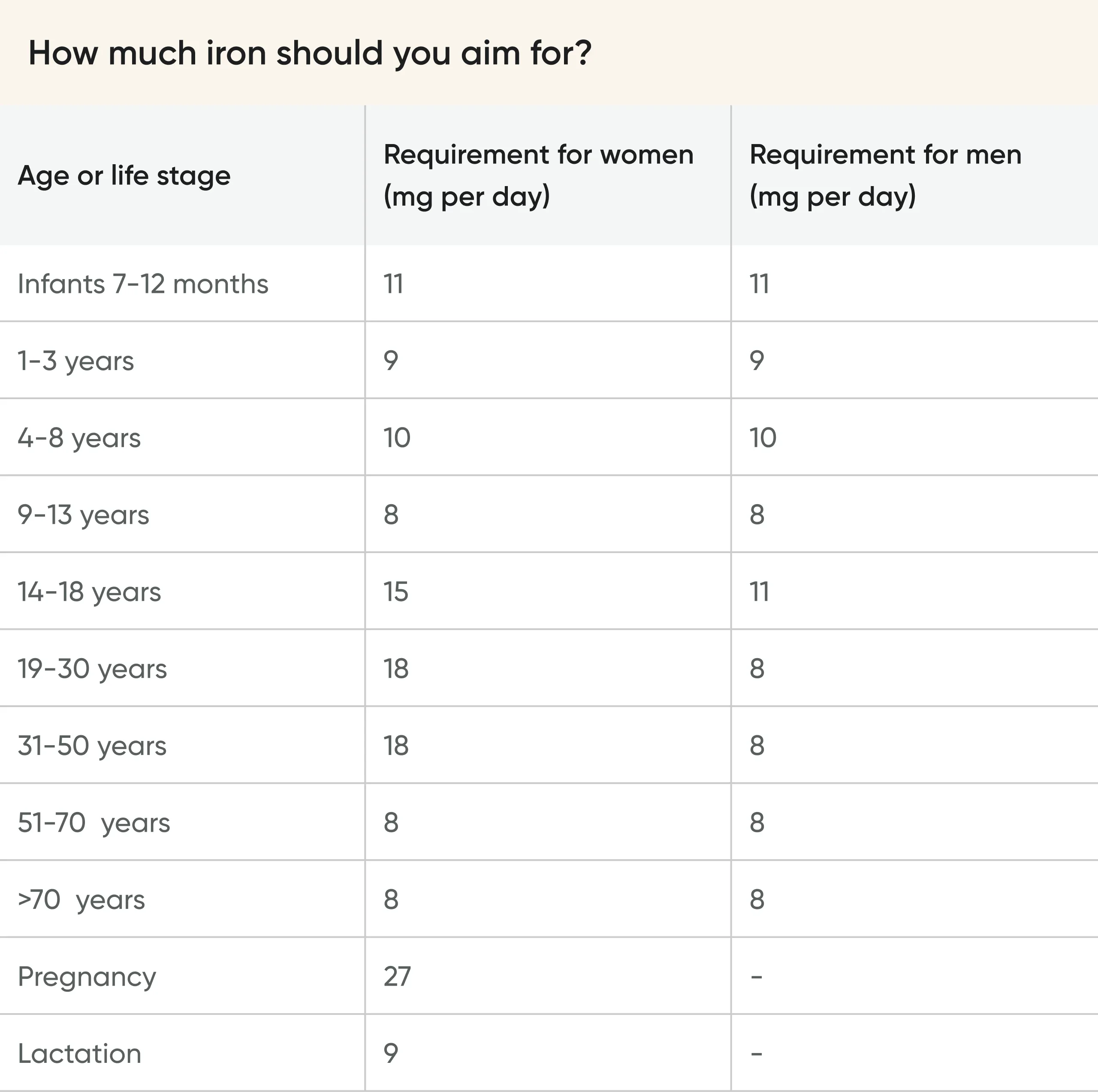
For most people, our bodies don’t absorb iron very well, so we actually need to consume excess iron to make sure we absorb enough. Animal products like meat, poultry, fish and eggs contain high levels of iron which is more easily absorbed by the body (known as haem iron). Plant foods like beans and lentils, rice, nuts, dark leafy greens and wholegrains also contain iron, though iron from plant sources is not absorbed as well as compared to animal sources (known as non-haem iron).
Natural ways to increase iron levels
- Meat & alternatives: iron can be found in red meat, fish, poultry.
- Plant-based options: choose a variety of colourful legumes such as lentils, peas and beans.
- Veg: leafy greens such as spinach provide iron.
- Grains: some breakfast cereals have added iron. But always check the label.
Supercharge iron absorption with these tips:
- Pair iron with vitamin C. Consuming vitamin C rich foods (like citrus fruits, capsicum or tomatoes) with iron-rich meals enhances absorption, especially for plant-based iron like tofu, beans and lentils.
- Avoid inhibitors around iron-rich meals. Limit tea, coffee and calcium supplements close to meals, as these may interfere with iron absorption.
- Focus on animal iron sources like lean meats, poultry, and fish, which is absorbed more efficiently than non-haem iron. If following a vegetarian or vegan diet, it’s important to see a healthcare professional so they can help you design a balanced diet and meet iron needs.
- Spread iron intake throughout the day. Consuming smaller amounts of iron-rich foods throughout the day may help with steady absorption.
How much iron in common foods
Get to know your iron target and easily select foods that are high in iron
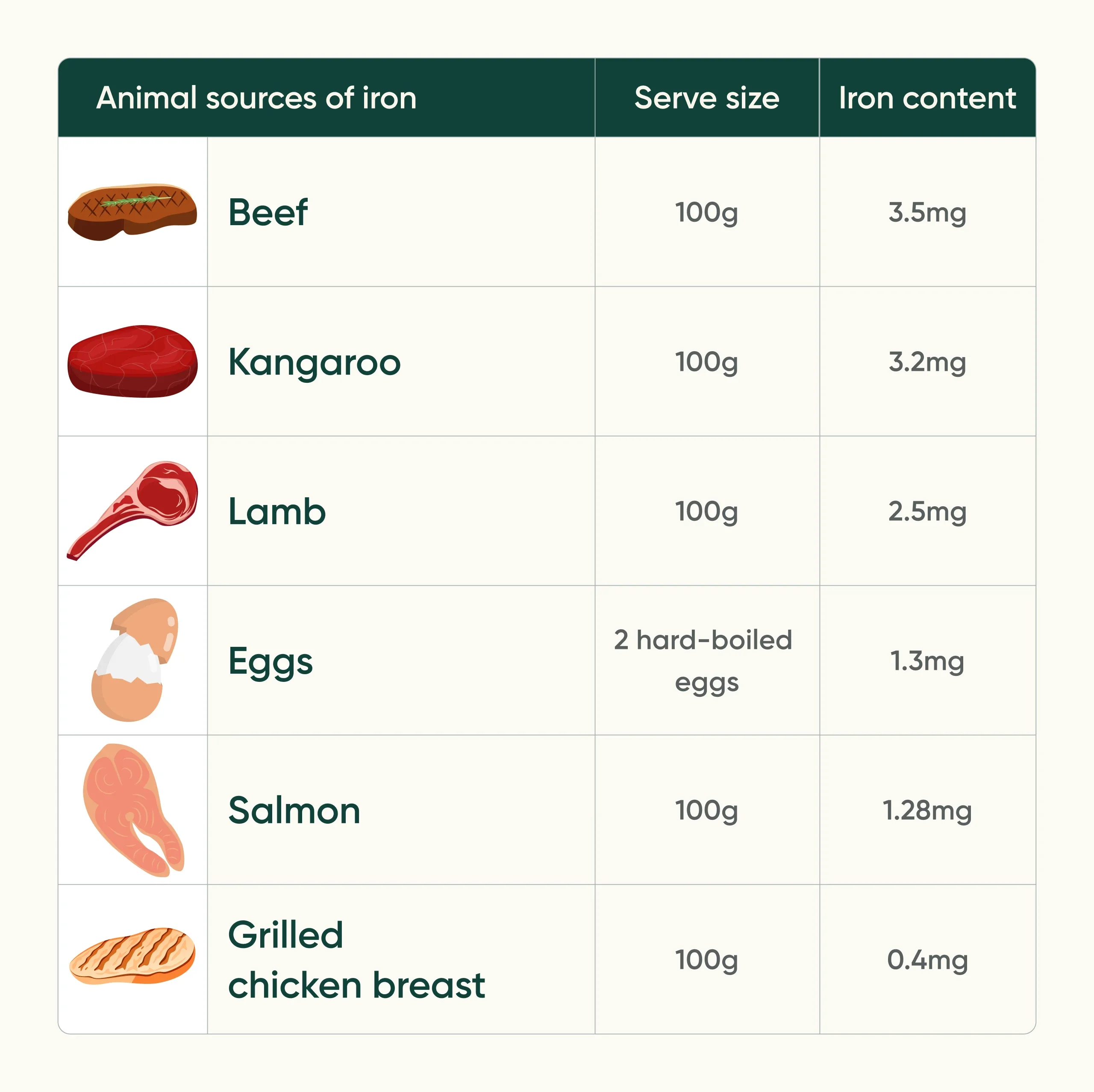
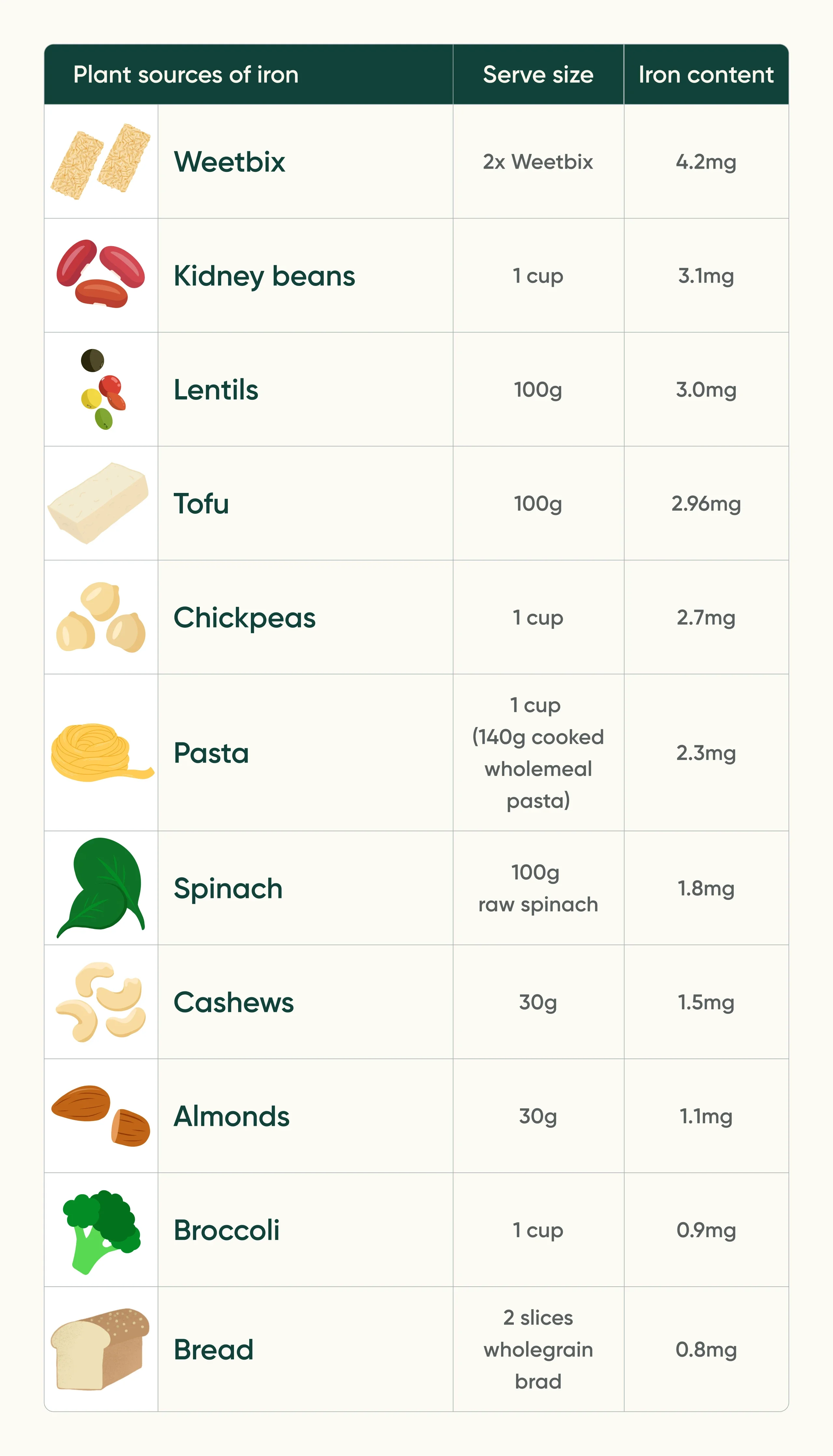
Did you know: most women aged 19-50 require twice as much iron as men of the same age. Chat to a healthcare professional if you’re concerned about your iron status.
Should you take iron supplements?
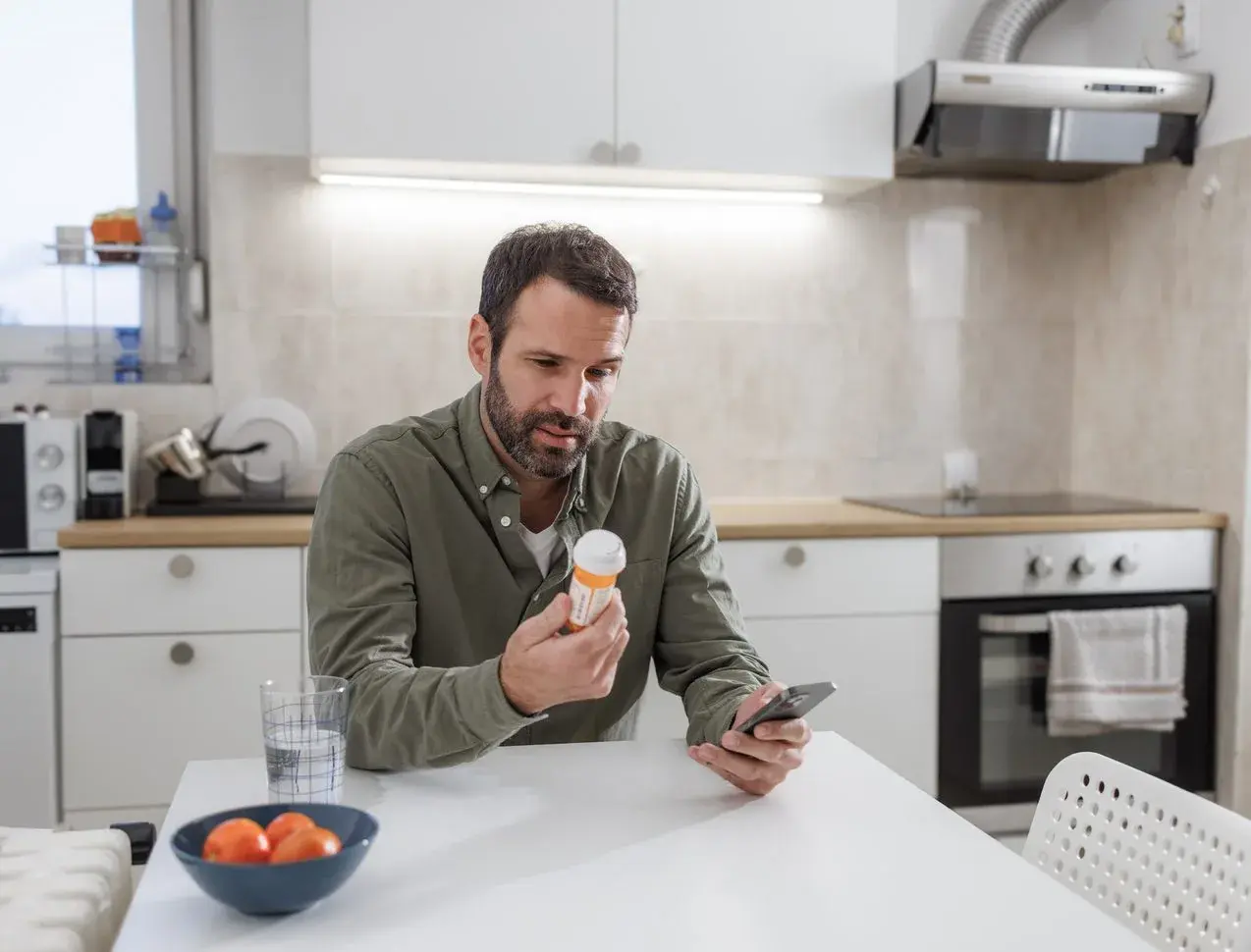
In some situations, a supplement may be required to top up your iron levels or prevent iron-deficiency anaemia. Iron supplements should be taken under the guidance of a healthcare professional to ensure you are getting the correct dose and type of supplement.
Iron deficiency may result in poor concentration, breathlessness and extreme fatigue, so it’s a very important mineral when it comes to maintaining energy levels. If you think you have low iron, talk to your healthcare professional about getting a blood test for your iron.
Related articles:
Reviewed by Healthylife health experts January 2025.
Related reads







This article is for informational purposes only and does not provide medical advice, diagnosis, or treatment. Any information published on this website or by this brand is not intended as a substitute for medical advice. If you have any concerns or questions about your health you should consult with a health professional.
About this article
Kate Agnew
Kate is passionate about innovation and problem-solving in health & nutrition. Her goal is to ultimately create a healthier environment for all Australians. In 2023, Kate was awarded the Young Achiever Award from Dietitians Australia.