


Ice Baths: 5 Benefits of Cold Water Therapy
Key Points
- Cold water therapy may increase circulation, enhance mood and support the immune system.
- Cold showers and ice baths are popular ways to practice cold water therapy.
- Breathing techniques may help your body cope with the effects of cold water immersion.
The idea of willingly subjecting yourself to an icy plunge might seem daunting, but thanks in part to the growing popularity of the Wim Hoff method, the benefits of cold water therapy are making a splash in the world of holistic health and wellness.
But what exactly is cold water therapy, and why are ice baths becoming so popular? In this article, we’ll dive into the icy waters to explore the world of cold water therapy and its benefits, such as supporting the immune system, as well as look at its potential risks.
5 benefits of cold water therapy
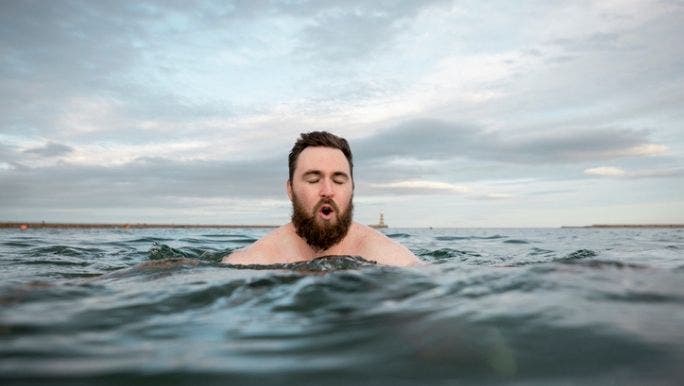
Cold water therapy includes various practices, from taking ice baths in tubs that you can install at home, to daily cold showers, to routine winter swims in chilly rivers, lakes or the ocean. While there is still much debate concerning this topic, let’s take a look at some of the proposed benefits of cold water therapy:
1. It may enhance your circulation
One of the benefits of ice baths is their ability to aid circulation. When you plunge into cold water, your blood vessels constrict, facilitating more efficient blood circulation. This improved blood flow may help reduce muscle soreness, expedite recovery, and contribute to overall cardiovascular health.
2. It may improve your muscle recovery
Athletes and fitness enthusiasts have long relied on ice baths to speed up muscle recovery. Research indicates that exposure to cold water may reduce inflammation and muscle swelling, aiding in a faster recuperation process following strenuous workouts.
3. It may help to enhance your mood and increase energy
Cold water therapy can be an invigorating experience that may leave you feeling more alert and energised. Questionnaire-based studies that have looked into the mental health of regular winter swimmers found a reduction in tension and fatigue and an improvement in mood and memory.
4. It may help to support your immune system
Some research suggests that taking a dip in cold water speeds up your body's metabolism. This, in turn, increases the levels of natural substances in your blood called catecholamines, and these substances can have a positive impact on your immune system.
5. It may help to reduce your stress levels
In our fast-paced lives, stress can take a toll on our wellbeing. Ice baths may offer a unique way to support stress regulation. The cold water can trigger the relaxation response, helping you feel more centred and calm.

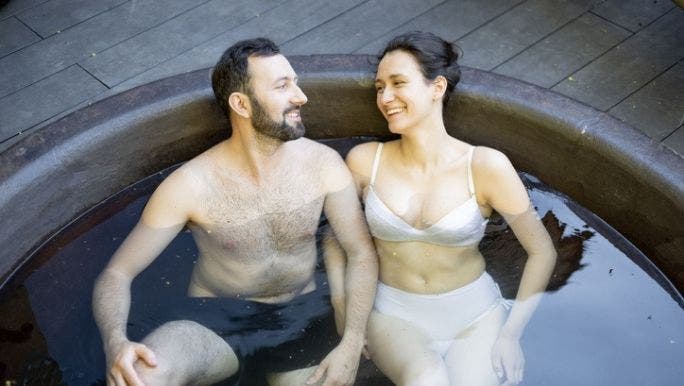
Cold water therapy like taking ice baths, cold showers and winter swimming, may have health benefits for the body and mind
How to practice cold water therapy
If you’re eager to experience the benefits of cold water therapy, here are a couple of ways to get started:
Take a cold shower
An easy option if you’re just starting out is incorporating cold showers into your daily routine. One well-known advocate of cold exposure therapy, Wim Hof, suggests a gradual approach to building up your tolerance. If you’ve never tried cold showers, don’t worry; you don’t have to dive straight into ice-cold water. Instead, start with your regular warm shower, and then, for the last 30 seconds, switch to cold water. This way, you can ease into it and see how your body responds.
Try an ice bath
As we’ve explored above, ice bathing has been suggested to have many health benefits. You may have heard about elite athletes taking an icy dip after intense workouts. The water is usually around 12–15°C, and they typically stay submerged for about 5–10 minutes. This practice is quite popular, and it’s believed to help reduce muscle pain and soreness following training sessions and competitions.
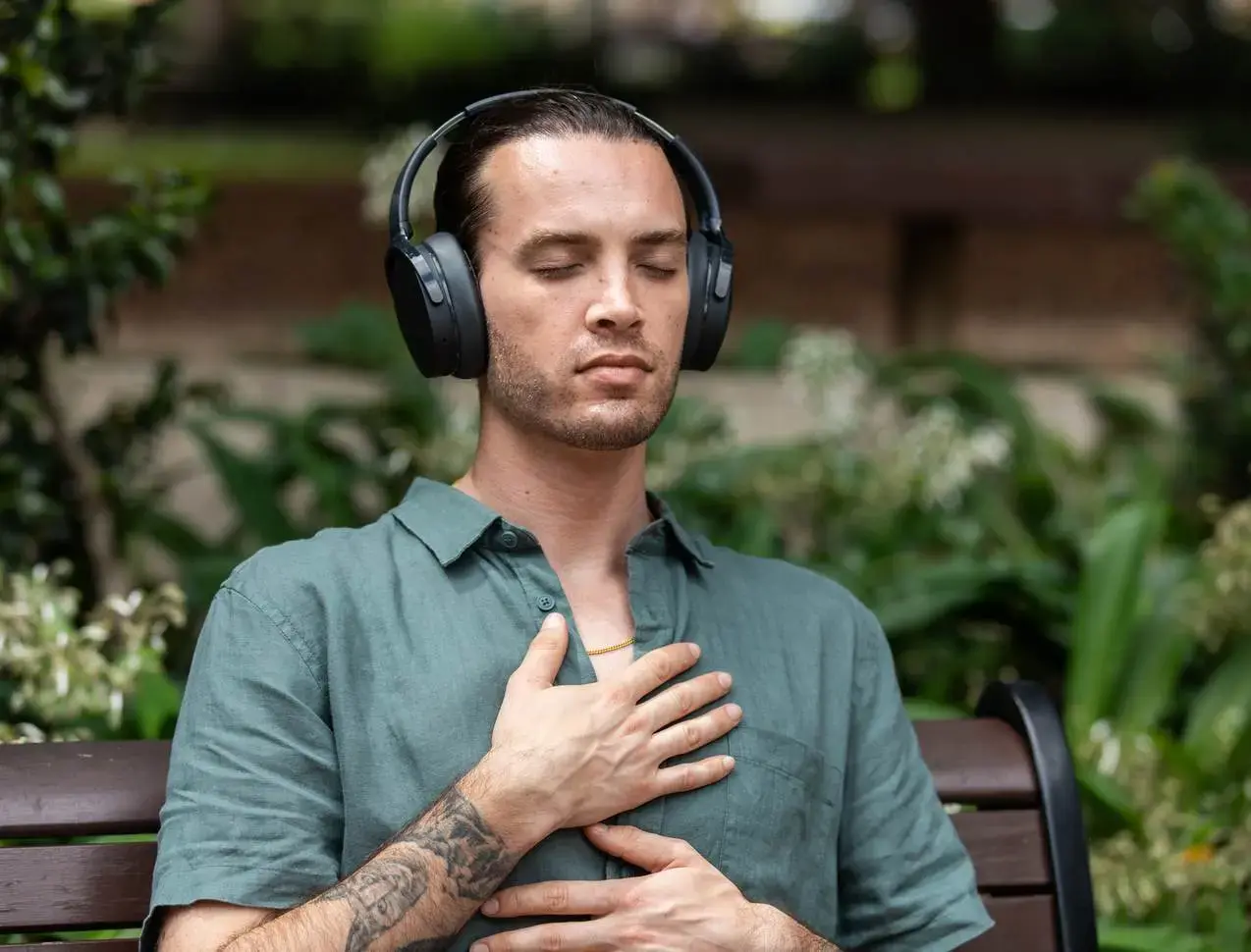
Yoga breathing practices may help alleviate the shock of submerging your body in cold water
What are the risks of ice baths and cold water therapy?
While cold water therapy offers numerous benefits, it’s not without its risks. It’s normal to shiver when exposed to cold water. This is your body’s way of trying to warm up, but especially if you’re not used to it, it can be a shock to the system.
It can make breathing harder, put extra strain on your heart, and even disrupt your nervous system signals. Mindful breathwork like the yoga practice of ‘pranayama’ or deep breathing can be beneficial in reducing the stress your body may experience from the cold shock, helping to calm your mind.
People with certain medical conditions, such as heart problems or hypertension, should exercise caution. It’s important to know your limits and seek advice from a healthcare professional if you have any concerns about the risks involved.

Cold water therapy may be beneficial, but it’s important to consult a healthcare professional before you begin
Chill out – but exercise caution
Cold water therapy, including the practice of ice baths, presents many potential benefits for your physical and mental wellbeing. But if you’re considering incorporating cold water therapy into your wellness routine, start gradually and always prioritise your safety and comfort.
As with any health-related endeavour, consult a healthcare professional before you embark on cold water therapy or book a telehealth call if you have underlying health conditions or concerns.
Related:
- Adrenal fatigue: debunking the myths
- What are the best vitamins for tiredness and lack of energy?
- Healthy habits for men to help reduce belly fat
Reviewed by Healthylife health experts September 2023
Related reads










This article is for informational purposes only and does not provide medical advice, diagnosis or treatment. Any information published on this website or by this brand is not intended as a substitute for medical advice. If you have any concerns or questions about your health, you should consult with a health professional.