


How to get rid of sore muscles after exercising
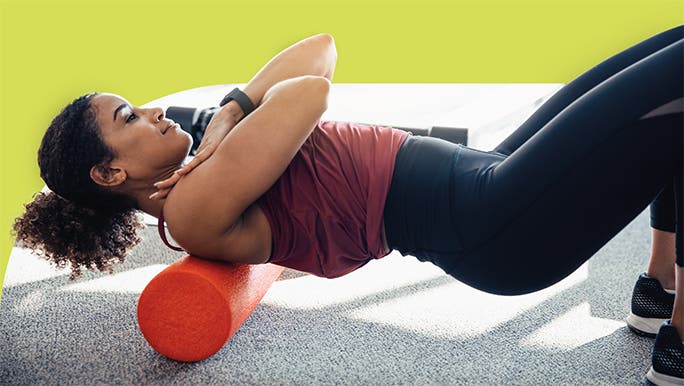
If you’ve recently joined the gym or increased your exercise routine, you’ve probably noticed some muscle soreness – especially in places you didn’t expect!
The good news is, it’s quite normal.
Most people feel a bit sore the day after they try something new. For example, if you started doing sit-ups yesterday, you’ll certainly feel a bit sore if you belly laugh today. Or if you’ve joined a boxing class, hanging out the washing may hurt for the next 24 to 48 hours.
We asked Brad McIntosh, Physiotherapist, how to get rid of sore muscles.
“One of the most effective methods to minimise muscle soreness is to exercise consistently. If you keep giving your body a regular dose of exercise, it’ll reward you by adapting and getting less sore,” says Brad.
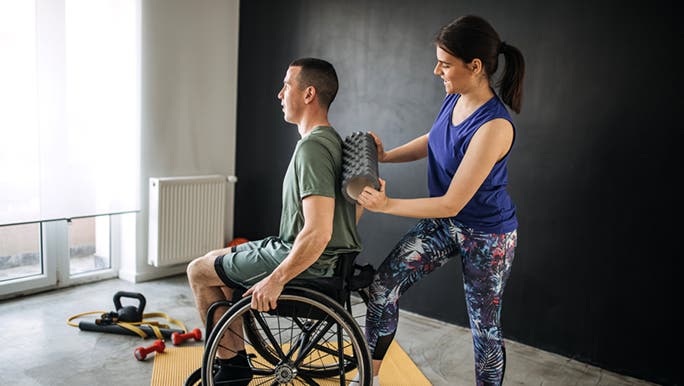
Most people feel a bit sore the day after they try something new. For example, if you started doing sit-ups yesterday, you’ll certainly feel a bit sore if you belly laugh today.
What causes sore muscles after exercise?
So, why do your muscles hurt after you exercise? Does it mean you’re doing it wrong?
If it’s been a hot minute since you worked the muscles that are sore, then probably not. Or if you push your muscles to their limit during your workout, then the answer is again, probably not.
They’re likely just sore because you’ve stretched yourself to a point where the muscles change. It’s also known as delayed-onset muscle soreness (DOMS).
What is DOMS and what causes it?
DOMS is a pain that takes a day or two to occur after exercise. It’s a normal response from working out your muscles.
If you thought DOMS only happened to elite athletes, you’d be wrong. Anyone can be affected by muscle soreness. It really depends on whether you’ve increased your intensity or your routine.
And, the pain isn’t a lactic acid build-up. It’s something different. Experts say lactate is converted to lactic acid, which maintains our body’s pH balance when exercise intensity is too high. Lactate actually helps alleviate the burn we feel in our muscles during exercise. It also doesn’t stick around for long after we finish our workout.
DOMS usually peaks 24 to 48 hours after exercise and can take a few days to gradually ease. Soreness is a by-product of healing and only lasts for four to five days, or up to a week.
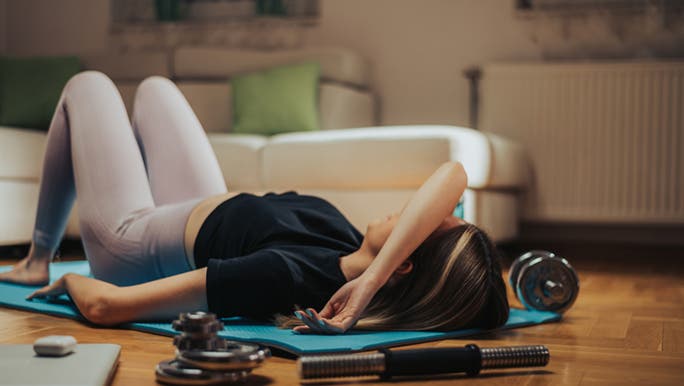
There are actions you can take to relieve your sore muscles, but there isn’t much you can do to prevent it from happening.
How to relieve sore muscles fast
Your personal trainer is usually right when they say you’re going to hurt tomorrow. But, there’s a few positive steps you can take to manage the pain and to ease your sore muscles after a workout.
Brad recommends:
- active recovery whenever possible, such as light cycling, walking or swimming
- good nutrition
- stay hydrated before, during and after exercising
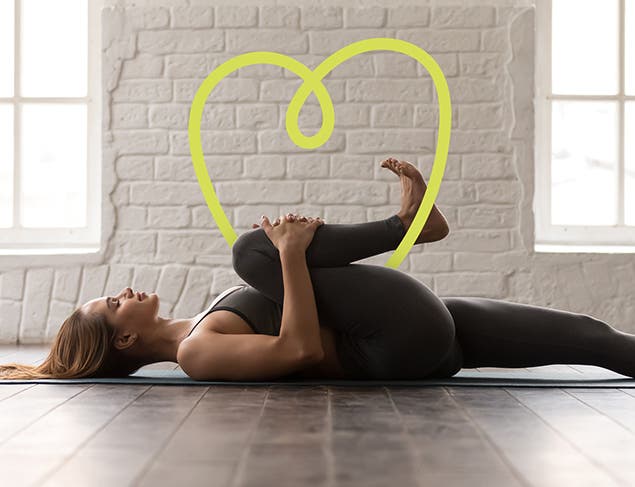
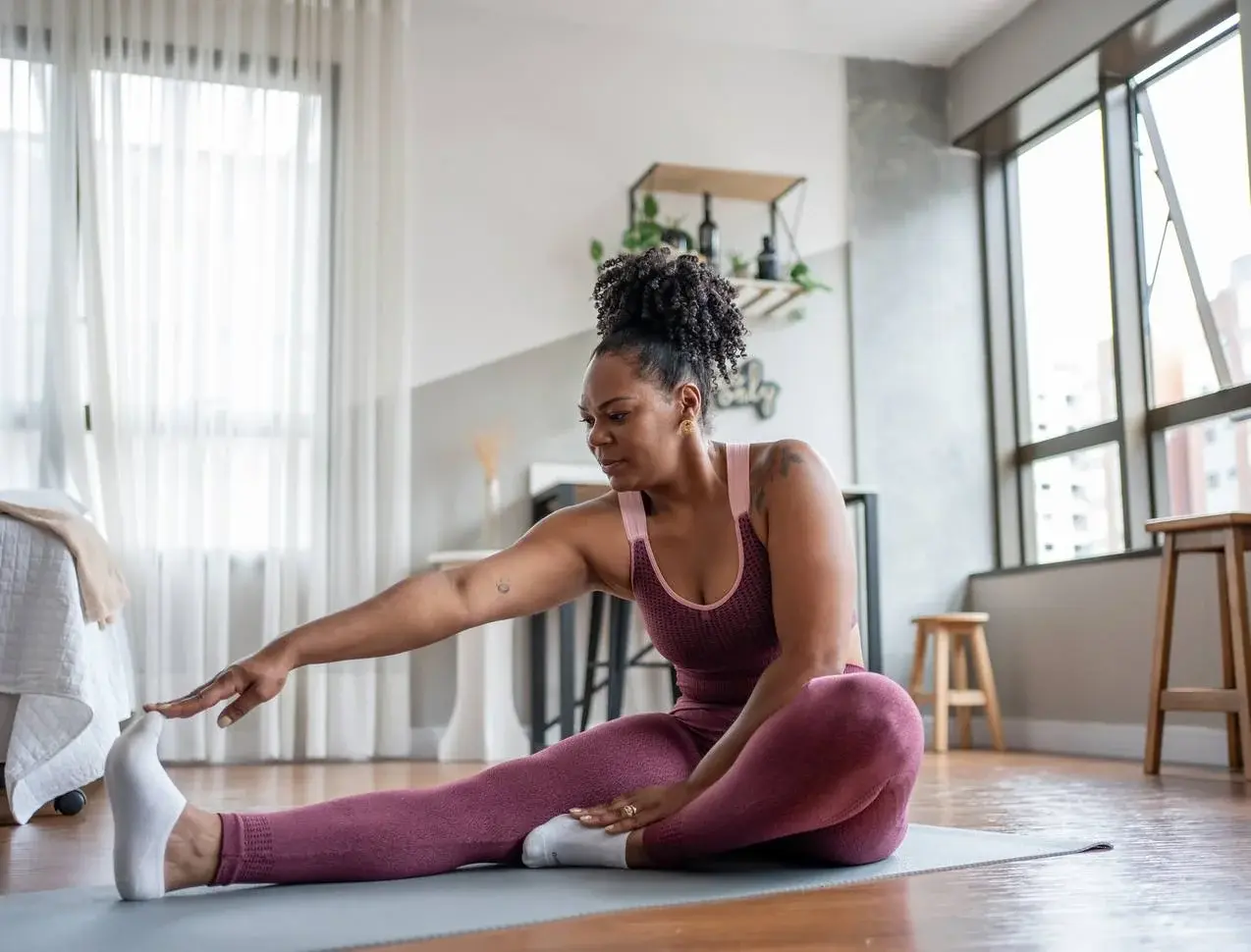
- light stretching and foam rolling
- massage and soft-tissue release techniques
- source help and advice if you are concerned
Ice or heat for sore muscles?
“Traditionally, we advise using ice for acute injury or soreness. This is aimed at slowing the metabolic rate of the tissues around the damaged area,” says Brad.
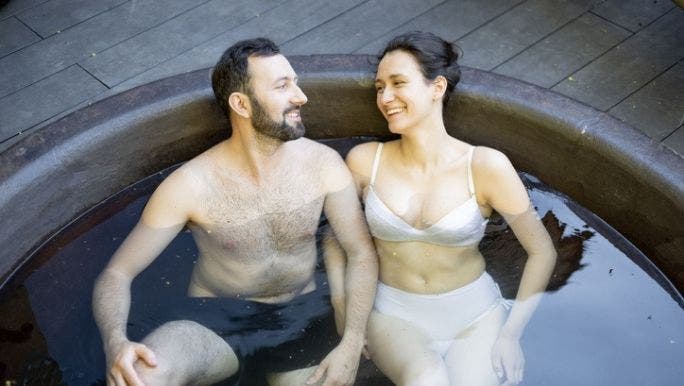
You’ve probably heard of athletes taking ice baths rather than a hot soak. That’s because it penetrates below the skin’s surface and is a speedy way to reduce inflammation.
“Ice can prevent more secondary injury in the adjacent tissues and ultimately aid quicker recovery,” says Brad.
Heat packs warm the muscles and help to increase blood flow to the area. This helps your muscles relax. Some people chose to use heat to relieve their sore muscles as it’s a gentler way to aid recovery.
Can you prevent your muscles from getting sore?
We asked Brad if you can prevent getting sore muscles after exercising.
“Good body control, coordination and movement patterns for the exercise you are completing helps,” says Brad. This means you’re not overusing one part of your body.
Brad advises that while it’s not possible to completely prevent muscle soreness, there are things we can do to minimise it.
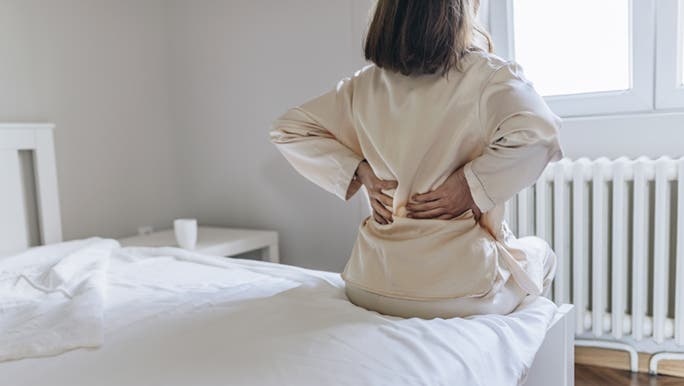
If you thought DOMS only happened to elite athletes, you’d be wrong. Anyone can be affected by muscle soreness. It really depends on whether you’ve increased your intensity or your routine.
When to see the doctor for sore muscles
Any pain felt during or immediately after a workout is a different kind of muscle soreness. It's called acute muscle soreness and is often a sporting injury.
Brad recommends that you should be more aware of the muscle soreness if it starts impairing your technique or altering the way that you move. This can lead to other problems.
“If the soreness is sustained, recurs after every session, or causes pain beyond feeling tightness or stiffness, it’s possible the correct muscles aren’t working well. Or, these muscles need some extra work and strengthening,” says Brad.
If you feel sudden, sharp or long-lasting pain you should visit your GP.
Muscle soreness is normal
There are actions you can take to relieve your sore muscles, but there isn’t much you can do to prevent it from happening.
It’s normal to feel a bit sore when you introduce new physical activity into your routine or increase the intensity of your workout. One way to think about it is that sore muscles are a sign that your body is becoming stronger.
Just remember – if you have any concerns about muscle pain, visit your GP.
Related:
- How much exercise do I need?
- How to create habits you can actually stick to (for good this time)
- Is running a good fitness option for me?
Brad McIntosh is a highly-trained and well-regarded physiotherapist with a particular clinical and research interest in knee rehabilitation.
Reviewed by the healthylife Advisory Panel June 2021
Related reads




This article is for informational purposes only and does not provide medical advice, diagnosis, or treatment. Any information published on this website or by this brand is not intended as a substitute for medical advice. If you have any concerns or questions about your health you should consult with a health professional.