


How to create habits you can actually stick to (for good this time)
We’ve all made grand promises to ourselves about doing more exercise or eating more nutritious food. We say ‘I’ll start tomorrow’... but tomorrow quickly turns into next week, and next week turns into never. Or we start that new habit, only to let it fall by the wayside within a matter of days.
In truth, forming healthy habits that stick requires more than a promise to yourself and a desire to change. Habits live in our brains, which are quite complex beasts indeed!
However, a basic understanding of how we develop habits plus some expert tips will put you on the healthy habit train in no time.
What is a habit?
Your daily morning coffee ritual. Making the kids’ lunches while you cook dinner. Biting your nails. Looking for organic food at the supermarket. These are all habits.
Habits can form around repeated behaviours, thoughts or feelings. Clinical psychologist Dr Bec Jackson recommends thinking of them as ‘shortcuts for your brain’.
“There’s so much information in our environment that it’s easy to be overwhelmed with decision fatigue,” says Dr Bec. “A habit is like your brain’s way of creating a shortcut for itself, so it doesn’t have to treat every single context as different and new.”
Habits can be either healthy or unhealthy, good or bad. Often, you may not realise you have an unhealthy habit until someone points it out to you. That’s because those ‘brain shortcuts’ tend to happen subconsciously, so you aren’t even aware of them.
Such is the power of habits. The challenge is to use that power for good and create habits that are good for you!

Habits can form around repeated behaviours, thoughts or feelings.
How do we develop habits?
The short answer to the question of how we develop habits is that we repeat something until it happens automatically.
The long answer is a bit more complex than that.
“Whenever you have a thought or take an action, your brain receives a signal,” Dr Bec explains. “The first time you take that action or think that thought, it creates a new neural pathway in your brain. Then, each time you repeat the thought or action, it strengthens the pathway. A habit forms when the path becomes so established in your brain that the action or the thought becomes automatic.”
Another element of how we develop habits is through our ‘limbic systems’ – a group of structures that sit deep in the centre of our brains.
According to Dr Bec, this system, “… is responsible for our reward pathways. Whenever you do something your brain likes, it sends out a reward in the form of a flood of dopamine – a feel-good brain chemical.”
She adds that the neural pathways and the limbic system work in unison, which means our brains are very good at rewiring themselves to undo habits we don’t want.
That’s great news, because it means your brain is receptive to healthy habits.
Expert tips for forming healthy habits you’ll actually stick to
While scientists haven’t agreed on exactly how long it takes to create a habit, Dr Bec has found that sticking with something for 28-30 days will generally turn it into a habit.
But, she cautions, it’s not as simple as that. To form healthy habits that you actually stick to, you also need a plan. Here are her top six tips for forming long-term healthy habits.
1. Choose an achievable goal
Your goal should be somewhat challenging to stretch you out of your comfort zone, but it also needs to be realistic.
2. Be specific
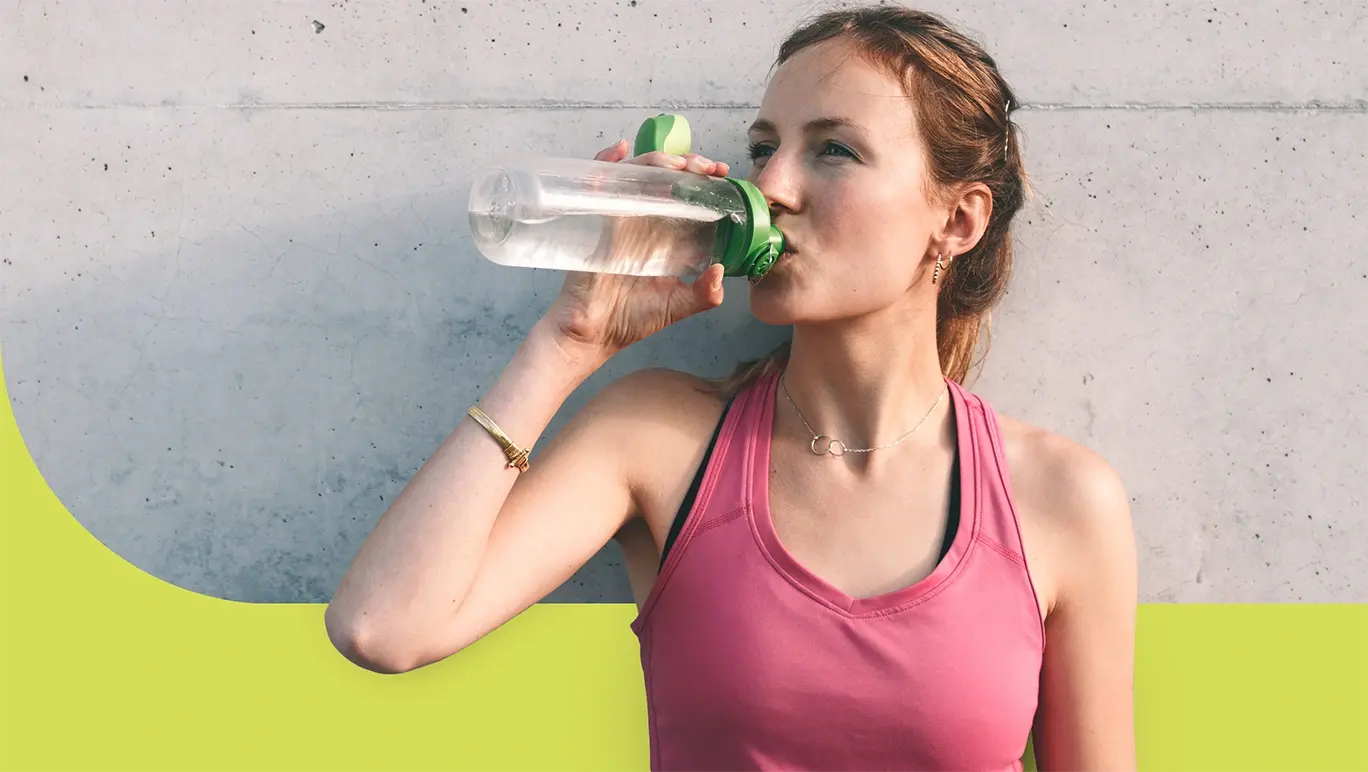
Let’s say you want to form a habit of drinking 2 litres of water each day. You could set a goal to increase your daily intake by a little each day over the next 30 days, with the aim of getting to 2 litres.
You could then take gradual steps each day (see tip 3) towards forming that habit.
3. Break it down step by step
Rather than overwhelm yourself with a big goal or habit you want to develop, chuck it down into smaller steps.
The magic first step is the key. This is about identifying the number one thing that you can do each day to ensure you follow through with your habit.
It might be as simple as ensuring you fill up your water bottle while you make your breakfast so it’s ready to go.
4. Identify what you need to support your habit
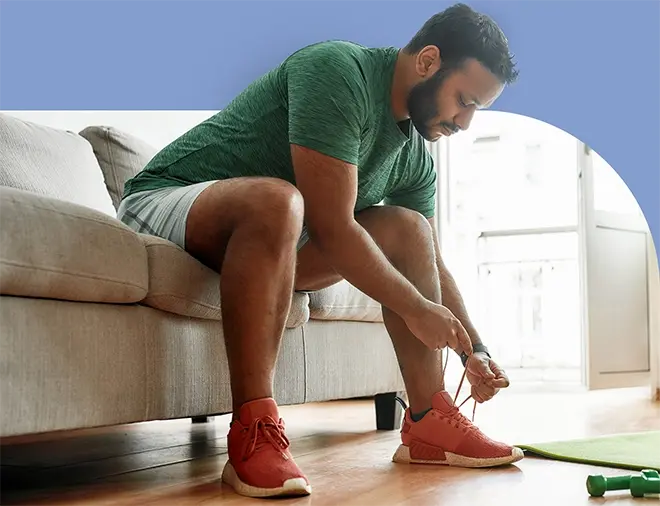
To drink 2 litres of water a day, you might need to buy a new water bottle. Or if you wanted to start walking every morning, you’d need the right shoes and activewear.
If you want to make changes to how you eat, you may even want to talk to a dietitian.
5. Identify the barriers to your success
What are the impediments that could get in your way? Once you’ve identified those barriers, you can put strategies in place to overcome them in advance.
If you can excuse-proof your habit, nothing will stop you from achieving your goal!
6. Stick at it for 30 days
Be consistent and stick at it. Within a month, you’ll probably notice that you’re easily drinking your 2 litres of water before dinner, or that it’s somehow easier to get up for your morning walk.

A habit forms when the path becomes so established in your brain that the action or the thought becomes automatic.
How to hack your habits to gain momentum
Dr Bec recommends one last tip as a powerful way to hack your habits – piggybacking a new habit onto an existing one.
“If you’ve already established a healthy habit, think about how you can build another habit off the back of that,” says Dr Bec.
“If you already drink a cup of herbal tea in the evening instead of a coffee, perhaps you could add five minutes of meditation into your routine of brewing the tea. It’s much easier to build momentum on top of something that’s already working than it is to set a habit up from scratch.”
Get into your healthy habit groove
While you’re developing your healthy habits, remember to be kind to yourself. Look at how many habits you’re trying to form at one time. Don’t try to tackle all of your healthy habit goals in one month, and certainly forgive yourself if your habit doesn’t stick as quickly as you’d like.
Remember too that habits aren’t permanent. However, all is not lost! Dr Bec explains that, “the neural pathway will weaken, but it will still leave a memory behind. That means you can always pick up the habit again and recreate the pathway.”
The key is to be aware that every repetition of every action or thought takes you one step closer to forming a healthy habit.
So embrace it, and take it one sip, step or jump at a time.
Related:
- How to eat more of the healthy foods that make you feel better
- What is organic food and is it really better for us?
- How to change your relationship with food (and stop eating junk food)
- What does a dietitian do? And, how can they help you?
Dr Bec Jackson is a Consultant Psychologist with 20 years’ experience across clinical psychology, academia, therapy and education in clinical, forensic and organisational psychology.
Reviewed by the healthylife Advisory Board June 2021
Related reads











This article is for informational purposes only and does not provide medical advice, diagnosis, or treatment. Any information published on this website or by this brand is not intended as a substitute for medical advice. If you have any concerns or questions about your health you should consult with a health professional.