


What foods are best for fussy toddlers?
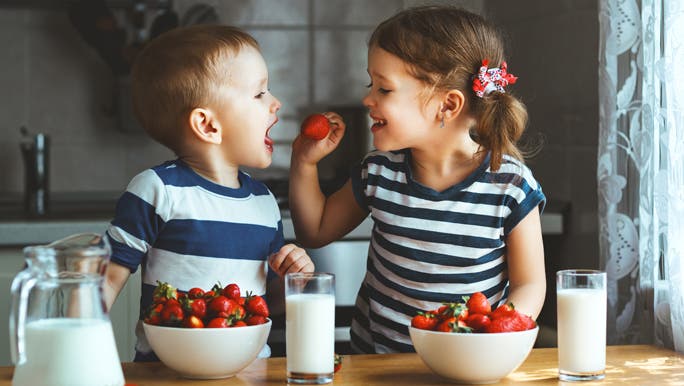
If you ask any parent what their toddler’s favourite food is, there is a good chance whatever the food is, it’s white. Pasta, rice and toast (no wholemeal, thanks) are all top of the pops when it comes to toddler mealtimes.
But, as we all know, a diet based solely on the little-known white food group isn’t ideal. Nor is too much of one specific food, says Dietitian Shivaun Conn.
So, what foods are best for toddlers? Particularly foods for fussy toddlers who can sniff out unfamiliar food from a mile away?
Reframing the language around healthy food for toddlers
Before you even think about the best foods for your fussy toddler, there is something Shivaun wants you to do. And that’s to change the way you talk about food with your child.
“Instilling positive food language in our kids from an early age is really important. We shouldn’t talk about eating certain foods because they are good and avoiding others because they are bad. We should instead talk about eating nourishing foods that fuel our body.”
Nourishing is a big word for toddlers. Instead, you can explain that we eat foods that help us think or play better. By shifting your language to focus on the benefits of healthy food, you are laying the foundation for a positive relationship with healthy food.
This language shift can also help you as a parent. Instead of putting pressure on yourself to feed your toddler healthy foods, look at your role as nourishing your child. It’s a simple shift but it can make a huge difference.
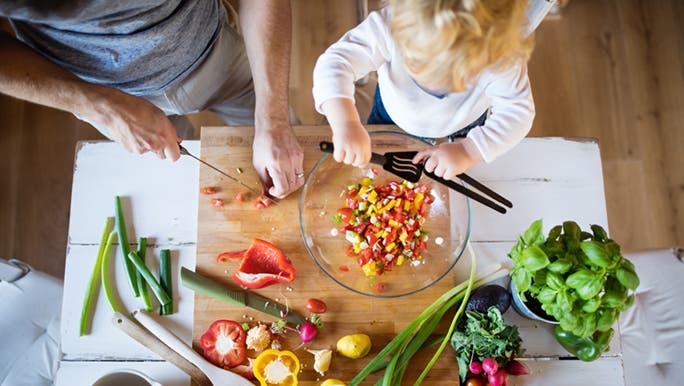
One of the secrets for how to introduce new foods to picky eaters is to make it fun, involve them in food preparation!
Variety is the spice of life
In terms of those nourishing foods that are going to fuel your toddler’s body, Shivaun advocates for variety. While the Australian food pyramid has been superseded by the healthy eating plate, the concept of balance and variety remains.
To get the vitamins and nutrients they need to power their play, toddlers should eat a variety of:
- protein-rich foods (e.g eggs, lean meats, fish, legumes)
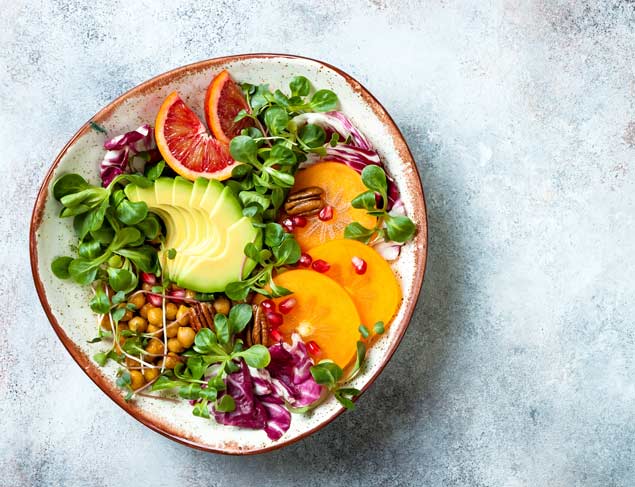
- fruit (e.g. apples, bananas, berries, melons, citrus, grapes, stone fruit)
- vegetables (e.g. spinach and other leafy greens, cucumber, broccoli, carrots, peas, tomatoes)
- wholegrains (e.g. brown rice, wholemeal bread, oats, barley, whole wheat pasta)
- calcium-rich foods (e.g. milk, yoghurt, cheese, broccoli)
- healthy fats (e.g. oily fish, avocado, flaxseed, coconut oil, nuts)
Shivaun also reminds parents to consider that if children are eating too much of one type of food, it can unbalance the other important nutrients and food groups. For example, it’s recommended that a toddler only eats half a serve of fruit a day!
It’s not dissimilar to the list of foods adults should be eating to nourish our bodies. But the difference between the adult brain and that of a fussy toddler, is that we can rationalise the benefit of eating different foods. They can’t always do that.
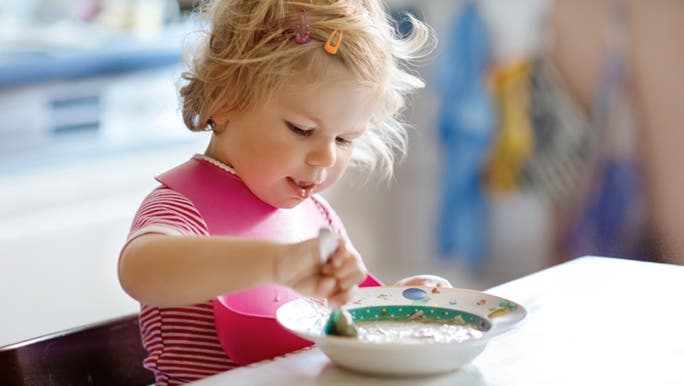
Instead of putting pressure on yourself to feed your toddler healthy foods, look at your role as nourishing your child.
How to make healthy food fun for toddlers
One of the secrets for how to introduce new foods to picky eaters is to make it fun. Involve them in food preparation or even just packing away the groceries and see the difference it makes.
“If your toddler doesn’t like eating nuts, look at different ways to make nuts fun,” says Shivaun. “You could try crushing the nuts to sprinkle on other food. Or, if they are going through a stage where they prefer warm food, try roasting the nuts. You can also get them in the kitchen to help you make muffins or bliss balls with the nuts.”
Nut butters are also a great introduction to nuts. If your toddler enjoys eating peanut butter on toast, talk to them about the ingredients in peanut butter and encourage them to try the original thing.
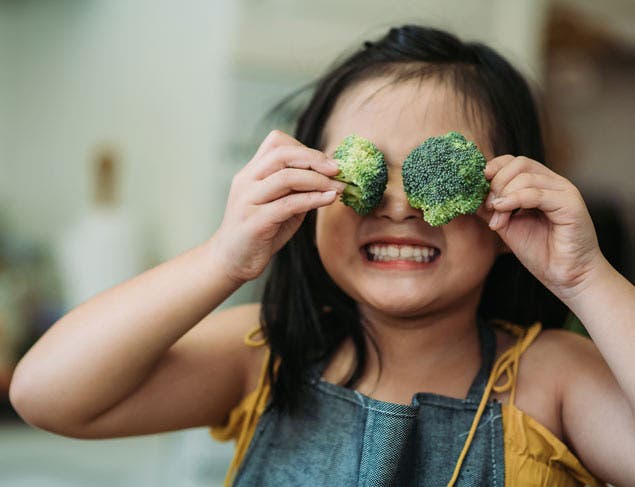
Of course, nuts are just one example of a food for fussy toddlers. Perhaps you could encourage them to eat broccoli by referring to it as little trees. Or make a smoothie with spinach and call it green monster juice.
This is all about getting your fussy toddler interested in foods that will give their body the nutrition it needs. And undoubtedly, the health habits they learn now will serve them well into their teenage years and beyond.
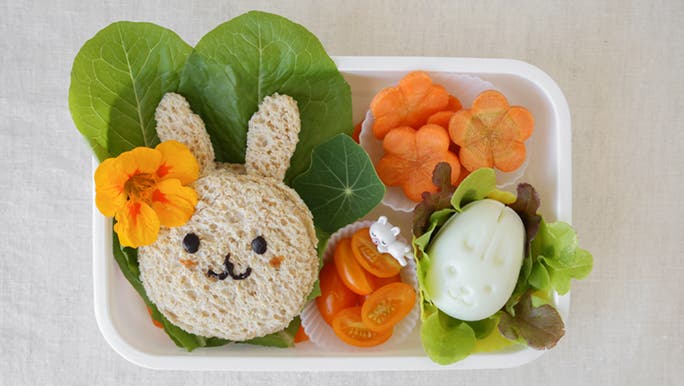
In terms of those nourishing foods that are going to fuel your toddler’s body, Shivaun advocates for variety.
Consistency is key
As the final word, Shivaun advocates for consistency in actually getting your fussy toddler to eat the food you place in front of them.
“If your toddler doesn’t eat the nutritious meal or healthy snacks you offer them, don’t feel defeated. Let them know you’ll either leave it out for them to eat later or it will be in the fridge for when they’re hungry next – without throwing food safety out the window, of course!”
Related:
- Is sugar really that bad for us?
- How to get your kids to exercise
- How to eat more of the healthy foods that make you feel better
Shivaun Conn is an Accredited Practising Dietitian, Accredited Nutritionist and Certified Health Coach with particular interests in nutrition, lifestyle, executive health and health behaviour change.
Reviewed by the healthylife Advisory Board June 2021
Related reads








Disclaimer: This article is for informational purposes only and does not provide medical advice, diagnosis, or treatment. Any information published on this website or by this brand is not intended as a substitute for medical advice. If you have any concerns or questions about your health you should consult with a health professional.