


What foods to eat when taking a GLP-1
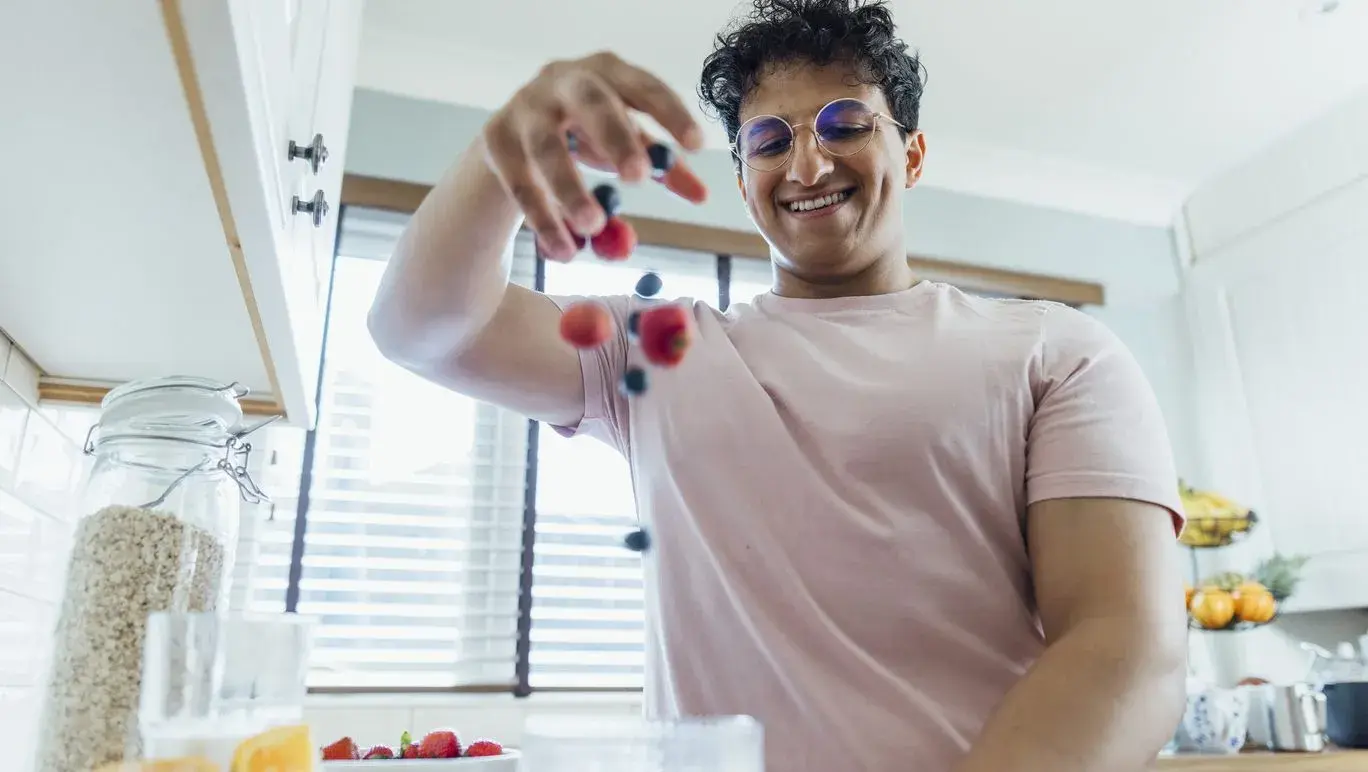
GLP-1 medications work with your body’s hormones to affect hunger, digestion, and blood sugar. They change how much you eat, but what you eat still matters. Even if you’re eating less, your nutrition needs don’t shrink. In fact, it becomes even more important to make every bite count. This guide will help you understand what to eat, what to avoid, and how to protect your health and energy while taking a GLP-1.
Why nutrition still matters
GLP-1 medications may help with weight loss but a rapid drop in food intake can also increase the risk of:
- Losing muscle mass
- Weakening your bones
- Missing out on important vitamins and minerals
The goal isn’t just about what you lose, but also about what you keep. And that means nourishing your body with the nutrients it needs to stay strong, energised, and thriving.
Foods to eat
Think of your plate as a toolkit for better health. You don’t need a perfect diet, but you do need to cover your bases with the five core food groups to support muscle and bone health, sustained energy, and overall wellbeing on your weight loss journey
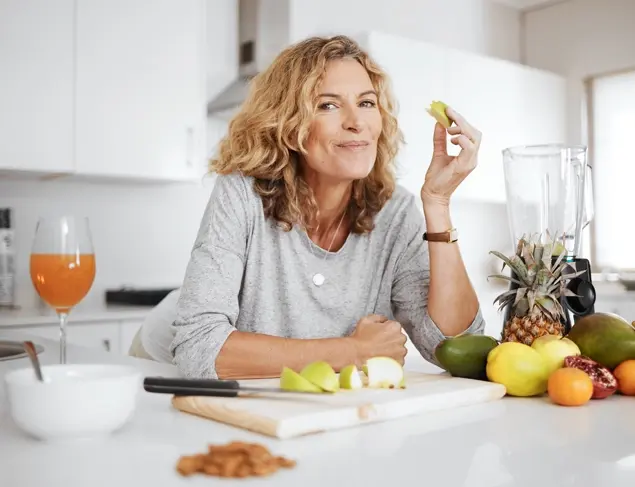
- Fruit, veggies & legumes: Packed with fibre, antioxidants and vitamins to support gut health, energy and immune health. Try soups, smoothies or roasted veggies to boost your intake when your appetite is low.
- Wholegrains: Provide B vitamins, iron, zinc, magnesium and fibre to keep your energy stable. Choose wholegrain bread, brown rice, oats, or quinoa.
- Protein foods (meat & alternatives): Essential for protecting muscle mass, supporting hormone health, and keeping you full. Include chicken, fish, tofu, legumes, eggs, nuts and seeds. Protein powders and bars can help top up if you're not eating much.
- Dairy & alternatives: Provide calcium and protein to support bone and muscle strength, crucial during weight loss. Go for milk, yoghurt and cheese, or calcium-fortified plant-based options.
- Healthy fats: Help you absorb nutrients and lower the risk of gallbladder issues (which can happen with rapid weight loss). Add avocado, olive oil, nuts, and seeds to meals and snacks.
- Bonus tip: If your appetite is really low, smaller meals or snacks more often can help. Smoothies, soups and high-protein snacks are easy wins.
Foods to limit
“Sometimes” foods are okay in moderation, but on a GLP-1, they can fill you up quickly without giving your body the nutrients it really needs to function well.
Try to limit:
- Processed snacks (chips, pastries, crackers)
- Sugary drinks and alcohol
- Processed meats
- Takeaway foods
These are high in calories but low in nutrition. Focusing on wholefoods first leaves less room for these options and supports your long-term health goals.
Supplements that may help
If you’re eating less or struggling to get a variety of foods in your diet, supplements can help fill in the gaps. You may not need them all, but here are the ones worth considering:
- Protein powders & bars: Help protect muscle when eating less.
- High-protein snacks: An easy option when your appetite is low.
- Meal replacements: Convenient, balanced nutrition when a full meal feels too much.
- Calcium + vitamin D: Supports bone strength.
- Fibre supplements (e.g. psyllium husk): Help with constipation, a common side effect of GLP-1s.
- Probiotics & prebiotics: Support gut health and digestion.
- Greens powders: A nutrient top-up when fruit and veggie intake is low.
- Omega-3s (fish oil): Support heart, brain and eye health.
- Multivitamins: Cover any shortfalls in your daily nutrient intake.
Tip: Speak to a healthcare professional if you’re unsure what’s right for you.
When to speak to a doctor
If you’re concerned about your nutrition or think you need more support, it’s important to speak to a doctor and potentially get a referral to another healthcare professional such as a dietitian. This is especially important if you are:
- Struggling to eat enough
- Have ongoing nausea, reflux or constipation
- Feel weak, light-headed or fatigued
- Are losing weight too fast
- Have pre-existing health conditions like osteoporosis or nutrient deficiencies
The bottom line
GLP-1 medications can be effective for weight loss and blood sugar management, but your body still needs quality fuel to function well.
Focus on nourishing your body with protein, veggies, fruit, wholegrains, healthy fats and calcium-rich foods. Supplements can help when your appetite is low, but they’re not a replacement for real food. Every meal is a chance to support your health, build strength and feel your best.
Reviewed by the Healthylife health experts August 2025.
Related reads












This article is for informational purposes only and does not provide medical advice, diagnosis, or treatment. Any information published on this website or by this brand is not intended as a substitute for medical advice. If you have any concerns or questions about your health you should consult with a health professional.
About this article

Kate Agnew
Kate is passionate about innovation and problem-solving in health & nutrition. Her goal is to ultimately create a healthier environment for all Australians. In 2023, Kate was awarded the Young Achiever Award from Dietitians Australia.