


Peptides for weight loss: Do they really work?

The world of wellness is full of new trends and buzzwords, and it can be tough to know what’s what. Lately, you might be hearing a lot about peptides and their potential role in weight loss. It sounds exciting, but do they really work?
We've delved into the science to give you the straightforward, no-jargon answers you need. Let’s break down what peptides are and what you need to know.
What are peptides?
Peptides are like tiny messengers in your body that are essential in keeping it running smoothly. They are small chains of amino acids, which are what make up proteins. If a protein is like a long, complex sentence, a peptide is like a short word or phrase delivering a specific instruction.
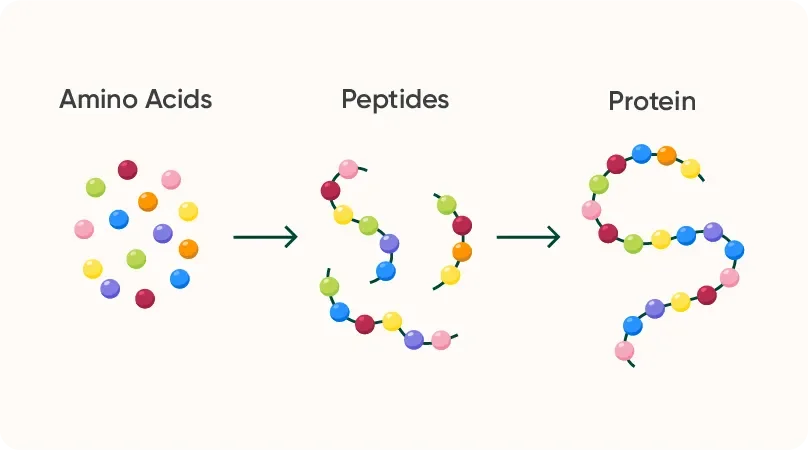
Your body naturally produces and uses peptides for many functions, from supporting your immune system and reducing inflammation, to influencing your hormones and even helping your skin. They are essential in keeping your body running smoothly. Insulin, for example, is a peptide your body naturally produces to regulate blood sugar levels.
In Australia, peptides are regulated by the Therapeutic Goods Administration (TGA) and are classified as prescription-only medications. Therefore, supply without a prescription from a doctor is illegal.
Do peptides help with weight loss?
There are specific, prescription-based peptides that have been clinically proven to be effective for weight management. These have gone through rigorous testing to ensure they are safe and effective for their intended use. These may help by:
- Regulating appetite: They act in the same way as the hormones that tell your brain you're full, which may help reduce how much you eat.
- Delaying gastric emptying: Slows the rate at which food leaves the stomach, keeping you feeling full for longer.
- Reducing cravings: They lower the desire for high-fat and sugary foods.
However, the internet is flooded with unregulated peptides sold as supplements or for research-only purposes. This is where you need to be extremely careful. These products are not held to the same safety standards as approved medicines. They could be ineffective at best, or contain incorrect doses or even harmful contaminants at worst.
A recent analysis by The Australian Sports Drug Testing Laboratory (ASDTL), found that from the 200 peptide products sampled:
- Only 25% contained the peptide as described on the label
- 25% were unlabelled (75% of the unlabelled supplements contained a peptide)
- 25% were incorrectly labelled
- 25% did not contain any peptide at all
Are peptides safe for weight loss?
When it comes to your health, safety is everything. Using medically prescribed peptides is the only way to ensure you’re using a product that has been properly tested and assessed.
In Australia, there are three peptide weight loss medications, known as GLP-1 receptor agonists, that have been approved by the TGA. These are:
- Semaglutide (Wegovy ® )
- Liraglutide (Saxenda ® )
- Tirzepatide (Mounjaro ® )
These medications aren’t suitable for everyone. For example, they’re not safe in pregnancy and should be avoided if you are planning to conceive. It’s essential that before starting any medication you consult your doctor and advise them of any other medications you are taking.
Side effects of peptides for weight loss
All medications come with a risk of side effects, and that's why it's important to always discuss any medication you are taking with your healthcare provider.
Common side effects of GLP-1 medications include;
- Nausea
- Vomiting
- Constipation
- DiarrhoeaInjection-site reactions
The bottom line
True, sustainable weight loss comes from a holistic approach. A balanced diet, joyful movement, quality sleep, and managing stress are the cornerstones of any successful weight management journey. Peptides may be a helpful addition for some, but they work best as part of a bigger picture.
We advise against purchasing unapproved peptides online, for the safety reasons listed above. It may also be unlawful so you may be risking some hefty fines from the TGA. It’s just not worth it.
If you’re curious to learn more about whether peptides are right for you, the best first step is to have a chat with your GP or healthcare professional.
This article contains general health information only. You should always speak with a healthcare professional (such as your GP) for health or wellness advice specific to your personal circumstances.
Reviewed by the Healthylife health experts May 2026.
Related reads













This article is for informational purposes only and does not provide medical advice, diagnosis, or treatment. Any information published on this website or by this brand is not intended as a substitute for medical advice. If you have any concerns or questions about your health you should consult with a health professional.
About this article

Megan Barker
A Registered Pharmacist holding a Graduate Certificate in Applied Pharmacy Practice. Megan is a highly experienced professional with over 15 years of comprehensive practice spanning diverse clinical environments, including both metropolitan and rural community and hospital pharmacy settings. She is deeply committed to patient-centered care and enhancing health literacy, empowering individuals to better understand their health and proactively manage their wellness.