


How to choose Manuka honey
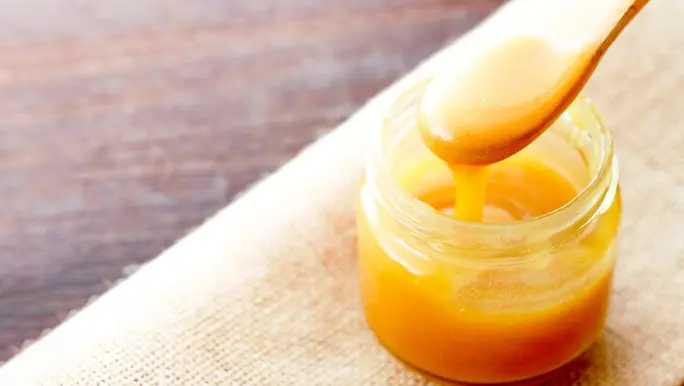
Manuka honey has been described as ‘liquid gold’ and ‘healing honey’. But it also comes with a raft of acronyms like UMF, NPA and MGO, to name just a few. So if you’re confused about how to choose the right Manuka honey, this guide is for you.
We’ll explain some of the acronyms and then share a few of our favourite Manuka honey products and what makes them so special. But first, let’s explore all the buzz about Manuka honey by answering a few questions about what it is and its unique properties.
What is Manuka honey?
Manuka honey is made from the nectar of Leptospermum plants. These plants are sometimes more commonly known as Manuka trees, and some are also known as tea trees. The term ‘mānuka’ is the Māori word for some species of these trees.
Leptospermum trees are native to both New Zealand and Australia, with the former having one native species and the latter having more than 80 native species.
In recent years, honey producers from both countries have been debating who has the right to use the term ‘Manuka’. But to keep things simple for this buying guide, we’ll be referring to ‘Manuka honey’ as any honey made from the nectar of Leptospermum plants.
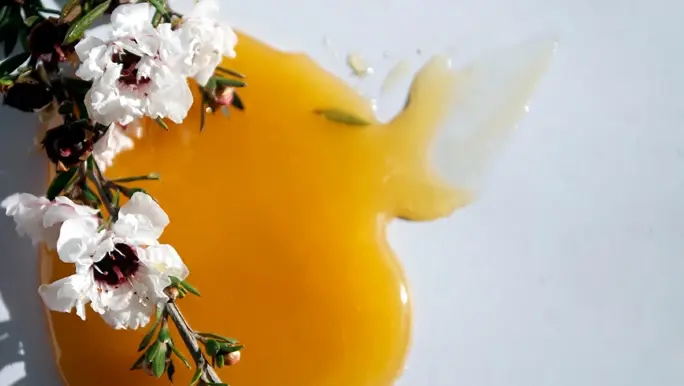
Some types of Manuka honey have been found to have higher antibacterial activity than other types of honey because they contain a special ingredient, methylglyoxal (MGO)
What makes Manuka honey special?
Many different types of honey have been found to display antimicrobial activity because of their:
- naturally occurring hydrogen peroxide
- low pH (more acidity) and high sugar content.
However, some types of Manuka honey have been found to have higher antibacterial activity than other types of honey because they contain a special ingredient, methylglyoxal (MGO).
This chemical is created by bees in the hive and is associated with antibacterial activity. MGO is part of what makes manuka honey unique because even when the honey has its hydrogen peroxide removed, it still seems to display potent antimicrobial activity. This is known as ‘non-peroxide activity’ (NPA).
So, now you know why some people refer to Manuka honey as “the healing honey”.
Today, medical-grade Manuka honey is sometimes used in a healthcare setting as a topical treatment for wounds, ulcers and burns. When eaten, Manuka honey may also help to suppress the bacteria and provide some relief of throat or mouth conditions.
However, while Manuka honey has some unique properties, there’s no scientific evidence that it helps with hay fever or rapidly fixes a gut bacteria imbalance.
What is UMF®?
UMF stands for ‘Unique Manuka Factor’ and is a trademark registered by the UMF Honey Association, which allows New Zealand Manuka honey producers to use the trademark under licence.
Essentially, UMF is equivalent to the non-peroxide activity (NPA) that we discussed above. Manuka honey with a UMF rating of 10+ or greater is considered therapeutically active.
How do MGO and NPA Manuka honey ratings compare?
A very low MGO value in Manuka honey is considered to be 83mg/kg or less. This equates to a bioactivity NPA rating of less than five.
Meanwhile, some of the highest MGO values are 1200mg/kg, the same as a highly active NPA 25+ honey.
Why is Manuka honey so expensive?
The more active a Manuka honey is, the more expensive it tends to be, because it’s highly sought after to create medical-grade honey. Even after being sterilised with gamma radiation, high-NPA Manuka honey retains its antimicrobial properties.
The bee's knees of Manuka honey
Now, as we promised, here are some of our favourite buzz-worthy manuka honey products that’ll have you making a ‘beeline’ to the ‘add to cart’ button.
Manuka Health MGO 950+ Manuka Honey
Let’s start with Manuka Health MGO 950+ Manuka Honey, an ultra-high grade, premium New Zealand Manuka honey. Not only is it certified for a natural methylglyoxal content of at least 950mg/kg, but it also has a smooth, luscious taste to be savoured.
King Island Manuka Honey Mgo 514+ Gift Box
Or, for something more local, the King Island Manuka Honey MGO 514+ Gift Box is a gorgeous Australian Manuka honey option. Crafted from the wilds of King Island in Tasmania’s Bass Strait, this manuka honey has a delightful taste that lingers on your palate.
Its soft, distinctive flavour will add complexity to your cooking and drinks. Or just eat it straight up by the teaspoon.
Honey Australia Manuka Mgo 263+
Finally, keeping the Australian theme going is Honey Australia Manuka Mgo 263+. While the brand offers several Australian Manuka honey options with a variety of MGO ratings, this particular one is a winner with an MGO of 263+.
Your Manuka honey choice made easy
Deciding which type of Manuka honey to buy should be a whole lot clearer after reading our guide above. But, because we love being super helpful, here’s a quick recap of what to look for when shopping:
- Manuka honey with a UMF rating 10+ or higher is considered therapeutically active.
- UMF is equivalent to NPA.
- A very low MGO value is considered to be 83mg/kg or less. This equates to a bioactivity NPA rating of less than five.
Reviewed by the Healthylife Advisory Board February 2022.
Related reads










This article is for informational purposes only and does not provide medical advice, diagnosis, or treatment. Any information published on this website or by this brand is not intended as a substitute for medical advice. If you have any concerns or questions about your health you should consult with a health professional.