


How to look better (and feel better about yourself) – no makeup required
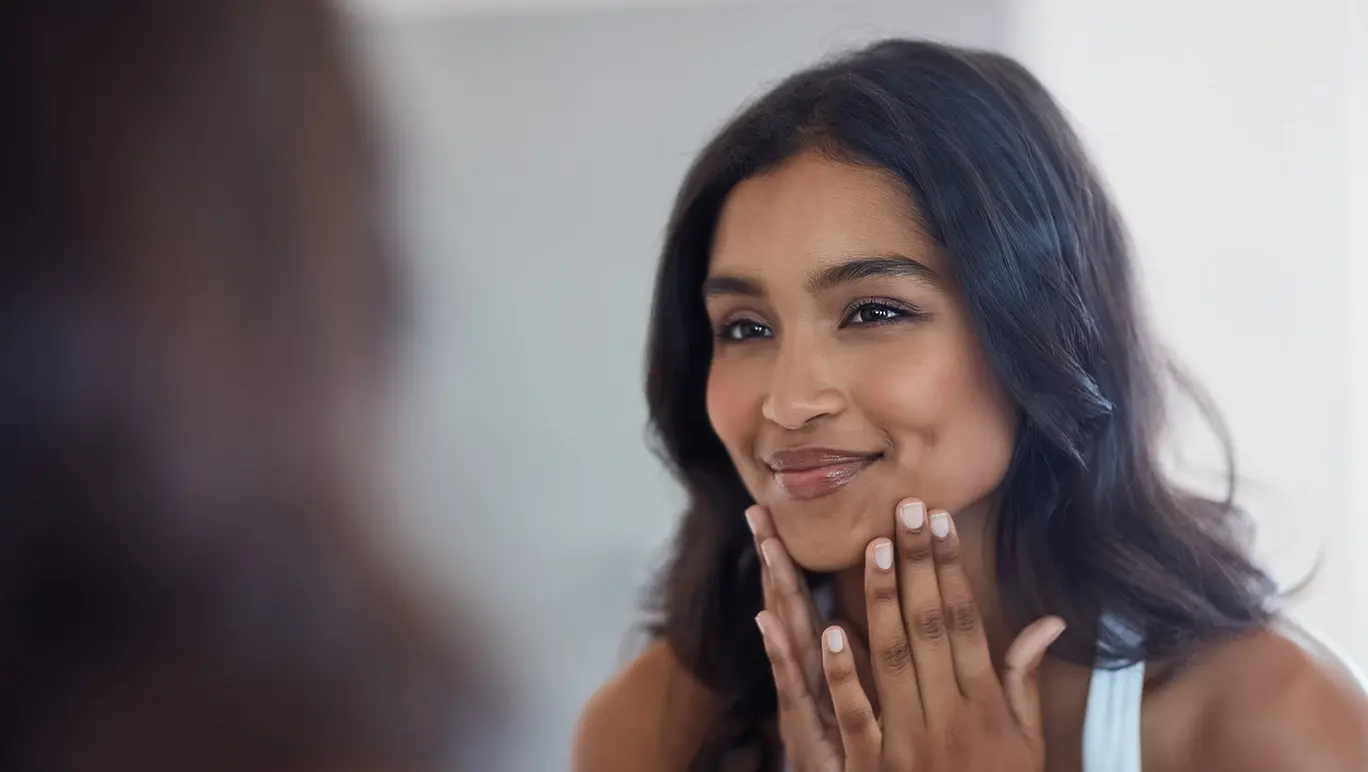
There’s no denying it - when you feel good inside, you glow! But, if you don’t like what you see in the mirror, it can be hard to feel good about yourself some days.
The problem is that a lot of advice on how to ‘look better’ tends to focus only on clothes, makeup and accessories. And there’s absolutely nothing wrong with any of those things – but they’re only about what’s on the surface.
We think you deserve to look and feel great about yourself all the way down… So we’ve brought together four simple ways (and a few quick tips) to help.
1. Start by eating your way to looking good
Eating a well-balanced diet might seem to focus purely on feeling better on the inside. But when your body gets the right nutrition, it is likely to look better on the outside too.
That’s why we recommend starting by examining what you eat. Think about ways you could bring better foods into your diet without sacrificing taste or enjoyment. Try to include some of the top 10 foods that contain the nutrients to give you healthier skin, hair and nails.
Of course, once you’ve started to feed it from the inside, you can also establish a routine to look after your skin from the outside. Consultant Dermatologist Dr Shreya Andric says, “It’s important to get to know your skin so that you can tailor your skincare routine.”
This is particularly important if you have pimples, regardless of your age. Combining good nutrition with the right skincare routine can help your skin to look healthy – maybe enough that you feel confident about looking good while going makeup-free.
As a bonus, those extra nutrients will help your hair to look healthier too. However, to build on this, you also need to understand how to look after your hair: it isn’t just a matter of “lather, rinse and repeat”.
2. Rest your way to feeling great
Many of us experience sleep disruptions. Late nights with early mornings or broken sleep due to children, a snoring partner or work stress can all make it hard to get a decent night’s sleep.
Sleep specialist Dr David Cunnington explains that sleep and rest are important restorative processes. Not getting enough of either of them can impact your wellbeing. And it’s certainly hard to look – let alone feel – your best when you’re exhausted.
However, ‘the right amount of sleep’ is different for everyone. And one of Dr David’s recommendations is to ensure you don’t just rely on night-time sleep for restoration.
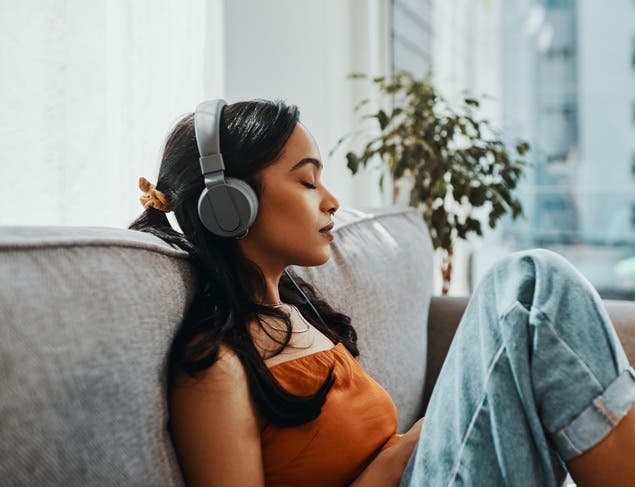
Yes, of course, sleep is important, but resting and taking breaks – either napping or simply doing something you find relaxing – during the day is also essential for mental wellbeing.
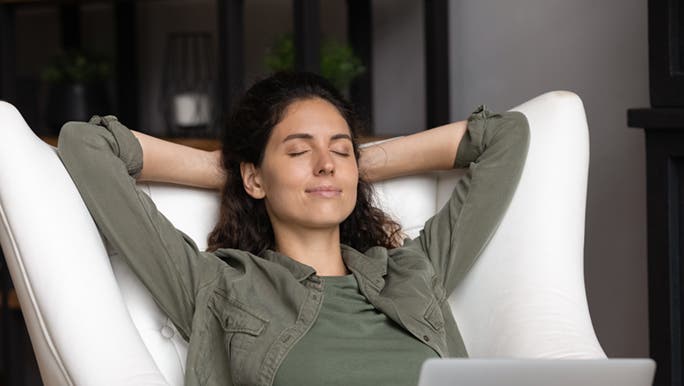
Sleep is important, but resting and taking breaks - either napping or simply doing something you find relaxing - during the day is also essential for mental wellbeing.
3. Think your way to feeling better
Spend some time listening to your ‘self-talk’ – the way you speak to yourself in the privacy of your own mind. Does it overflow with positive comments about your actions? Or are you more likely to harshly criticise yourself?
Consultant Psychologist, Dr Bec Jackson, notes that, “Your thoughts can have a very powerful impact on the way you feel about yourself.” So it’s vital to use them to make yourself feel better, rather than bringing yourself down.
When you catch yourself thinking something negative, try replacing it with a positive affirmation. You can create something that’s uniquely suitable for you, but to get you started, here are a few to try:
- I am worthy of a happy life.
- I deserve to be healthy.
- I feel great after my exercise classes.
- I am worthy of love.
- I deserve to feel great.
Affirmations can become a healthy habit that gradually shifts your thinking towards feeling good about yourself and increasing your self-worth.
Additionally, practising meditation or mindfulness for ten minutes or so during the day can help to improve a low mood and make you feel better.
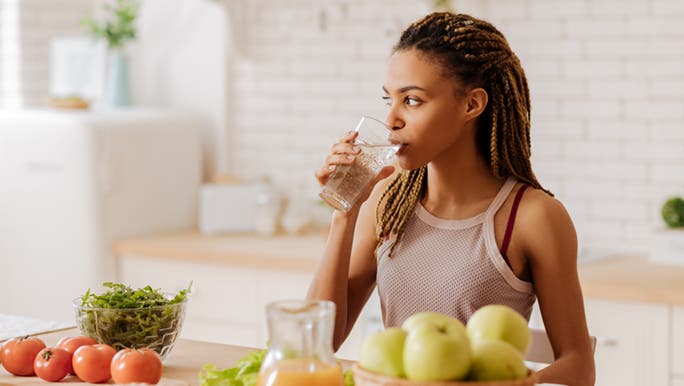
Combining good nutrition with the right skincare routine can help your skin to look healthy - maybe enough that you feel confident about looking good while going makeup-free.
4. Move your way to looking and feeling good
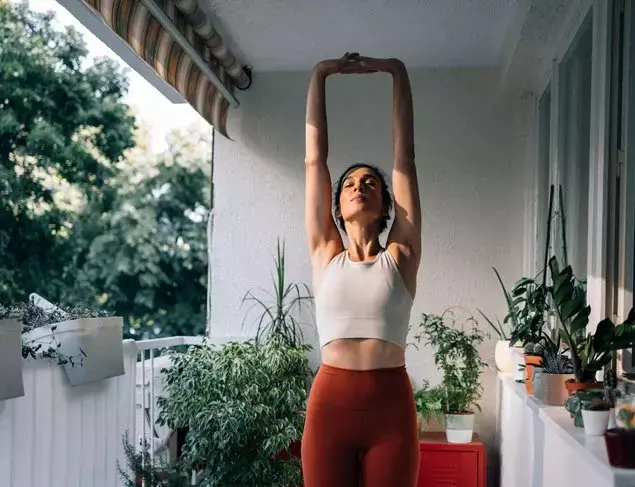
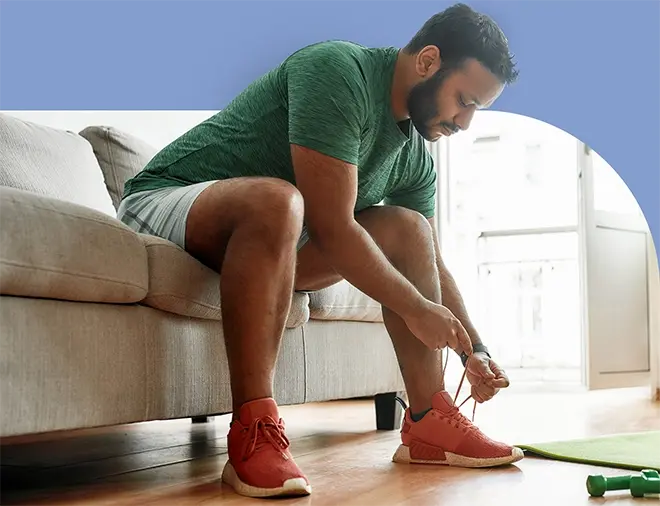
The benefits of exercise go far beyond anything to do with weight. Getting active can help to improve your mood and mental wellbeing, as well as making you stronger and fitter. It releases feel-good brain chemicals like endorphins and serotonin, which can naturally enhance your mood.
Establishing an exercise routine and fitness goals that work for you is important. If you’re not into running right now, there’s little point in signing up for a marathon in six weeks. Consider what works for your life and fitness level now, and aim to gradually increase the challenge over time.
For extra good feelings and fun – and to help you stick with it – try exercising with friends. Perhaps go to a dance class with a friend who wants to improve their fitness, and motivate each other along the way.
Or, if you’re interested in making new friends, look into joining a local sports team. Committing to being in a team is a great way to ensure you keep going each week.
Either option gives you the twin benefits of exercise and being more social, which can both help to make you feel better about yourself.
But if all this sounds a bit overwhelming right now, that’s OK. You don’t have to join a gym or play an organised sport to stay active and keep moving.

Try heading outside once you can. The fresh air and sunshine can help to lift your mood and relax you.
5 quick self-care activities to help you feel good
- Run a bubble bath: to make yourself feel better after a long day, try a warm bubble bath. Epsom salts or magnesium can help your body to unwind, while your favourite scent and a candle can help to relax your mind. Add in a face mask and hair mask for the ultimate luxurious emotional pick-me-up.
- Enjoy a TV binge: there’s a lot to be said for chilling out with your favourite show or movie. Curling up on the couch with good company to watch the latest release or an old favourite can be an easy way to unwind. Add in microwave popcorn and ice cream, and you could almost be at the movies!
- Learn about your colours: this is great if you like to wear makeup during the day, but if you prefer to go without, it’s just as relevant for clothes and accessories. Either way, make sure the colours you choose are right for your skin tone. Many makeup counters provide colouring advice and lessons on new techniques. Book yourself in for a lesson as a simple way to feel better fast.
- Get outside: if your children or workmates have been pushing your buttons all day and you’re on the edge of exploding, try heading outside once you can. The fresh air and sunshine can help to lift your mood and relax you. Even if it's raining, consider putting on a coat to go splashing through the puddles. And the exercise will hopefully give you a better night's sleep too.
- Have a good cry. It's OK to not feel OK all the time, and trying to push down or hide a low mood can actually make things worse in the long run. Crying can release pent-up emotions and help to alleviate emotional and physical pain. Studies have even shown that crying is an effective way of self-soothing.
You deserve to feel your best
We all deserve a happy healthy life, and looking and feeling good are both important parts of being happy. Creating healthy habits can help you to prioritise self-care, give you a sense of control and generally improve your mental wellbeing.
However, if you’re finding it hard to feel good about yourself and none of these suggestions help, you may benefit from speaking to a professional. A counsellor or psychotherapist can help you to understand why you’re not feeling so great right now, and ultimately, help you to feel better about yourself.
Related:
- Healthy hands: how to prevent dry skin
- Dermatologist tips on how to reduce the effects of ageing on your skin
- How to help your teenager to get clear skin
Dr Shreya Andric is a Fellow of the Australian College of Dermatologists with a wide breadth of general dermatology knowledge as well as specialist interest in areas of cosmetic dermatology, paediatric dermatology and genital dermatology, among others.
Dr David Cunnington is a specialist sleep physician who helps his clients to treat their complex sleep problems while also promoting sleep health through education, research and advocacy.
Dr Bec Jackson is a Consultant Psychologist with 20 years’ experience across clinical psychology, academia, therapy and education in clinical, forensic and organisational psychology.
Reviewed by the healthylife Advisory Board June 2021
Related reads





This article is for informational purposes only and does not provide medical advice, diagnosis, or treatment. Any information published on this website or by this brand is not intended as a substitute for medical advice. If you have any concerns or questions about your health you should consult with a health professional.