


How to stay healthy this winter

Cold and flu season is nearly upon us and Australians are bracing for the possibility of a particularly bad cold and flu season. Hopefully, all of our preparations to stay healthy as the temperatures drop will mean that we don’t see the worst-case scenario.
Over the last two years of the pandemic, we’ve all learnt some new habits that can help keep respiratory infections, like colds and flu, at bay. The pandemic has certainly taught us that we can take simple measures that can help reduce the spread of these viruses.
Hand-washing and hand hygiene
Viruses that cause colds and flu can spread in little droplets in the air, but our hands are another source of spread. If we touch our face or cover our mouth and nose when coughing or sneezing, little droplets of fluid containing virus particles can live on our hands and spread to other people.


Can you exercise with a cold or flu?
Being prepared to keep yourself well and understand when it’s okay to return to the sporting field, the running track or the gym may help you stay on track after an illness.
Keeping your hands clean is a very simple way to prevent the spread of colds and flu. here are two main ways to do this. The first is by using an alcohol-based hand sanitiser. These are great because they’re portable and very quick. Dispense the product into your hands and rub together for at least 20 seconds until the product evaporates.
The second is to wash your hands with soap and water. You can do this if you haven’t got access to hand sanitiser or if your hands are visibly soiled. To wash your hands, wet your hands, apply the soap and rub all surfaces of your hands (back, front and between your fingers) for at least 20 seconds. Then completely dry your hands with a clean towel.
What about vaccines?
When it comes to the cold and flu season, you may like to speak to your health professional about vaccination options for you and your family.
Why can’t we vaccinate against the common cold?
Given how many people get a cold every year, you’d think that this would be a priority. Unfortunately, it’s not so easy. Although we call a cold one illness, it’s actually caused by over 200 different viruses, some can change every year. It’s not possible to vaccinate against that many viruses.
With more recent developments in vaccines, it’s possible that in the not too distant future, we may be able to protect against some of the more common viruses, so watch this space.
Staying home when you’re sick
Before the pandemic, many of us probably soldiered on at work or school with a cold or flu. If the last two years have taught us anything, it’s that we’re probably better off for our own recovery and to stop the spread of viruses to just bunker down for a few days.

Stress and immune system health
63% of Australians report having at least one personal stressor in life. What impact is this having on their health?
Since these viruses love spreading when we’re in close contact with one another, staying away from other people when you’re not well is a really simple and effective thing to do. This may mean a day or two off work or school, avoiding social gatherings and keeping some space between you and others when you’re out of the house. Although you can be infectious a few days before symptoms appear, you can still protect others by staying away when you’re actually unwell.
While you’re not feeling well, listen to your body as to what you can do. If you’re up to it, feel free to do some work (might be a great time to respond to all those emails!). You can go back to work when you’ve had 24 hours without a fever (if you’ve had one) or once your symptoms have improved, which may take up to 4-5 days.
Being extra vigilant for people who are at higher risk
Most people will be absolutely fine. However, for colds and flu, some people are at higher risk of a more severe form of the illness than others.
For common colds, children, older adults and those who are immunocompromised may experience more severe symptoms. While the common cold doesn’t usually produce symptoms in your lungs or airways, in these groups it can lead to croup or bronchiolitis in kids, or bronchitis in adults. For those with asthma, a cold can precipitate an acute worsening of asthma.
related reads
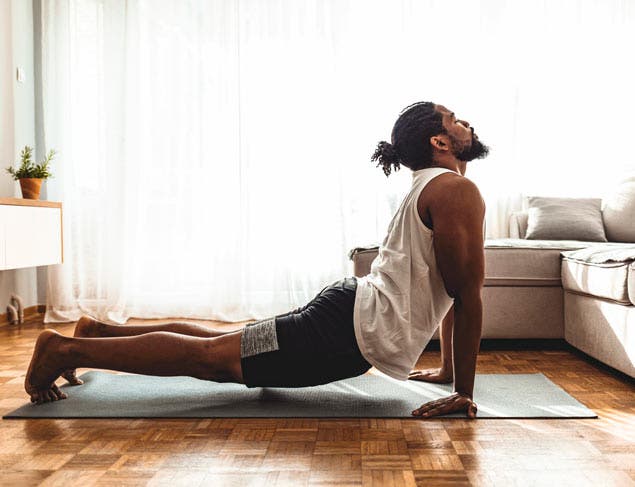
How does exercise affect the immune system?
Exercise is good for you, but can it also benefit your immune system? Dr Jill Gamberg shares her insights.
4 factors that may affect your immune system
Why is it that some people get sick more than others? GP, Dr Jill Gamberg, shares four factors that may play a role.

Why do I always feel so tired and what do I do about it?
Feeling tired right now? Wondering when you’ll have a chance for a quick nap, or whether you’ll be woken up during the night again? Read our expert tips on what causes fatigue - and what to do about it.
Reviewed by the healthylife Advisory Board April 2022
Related reads
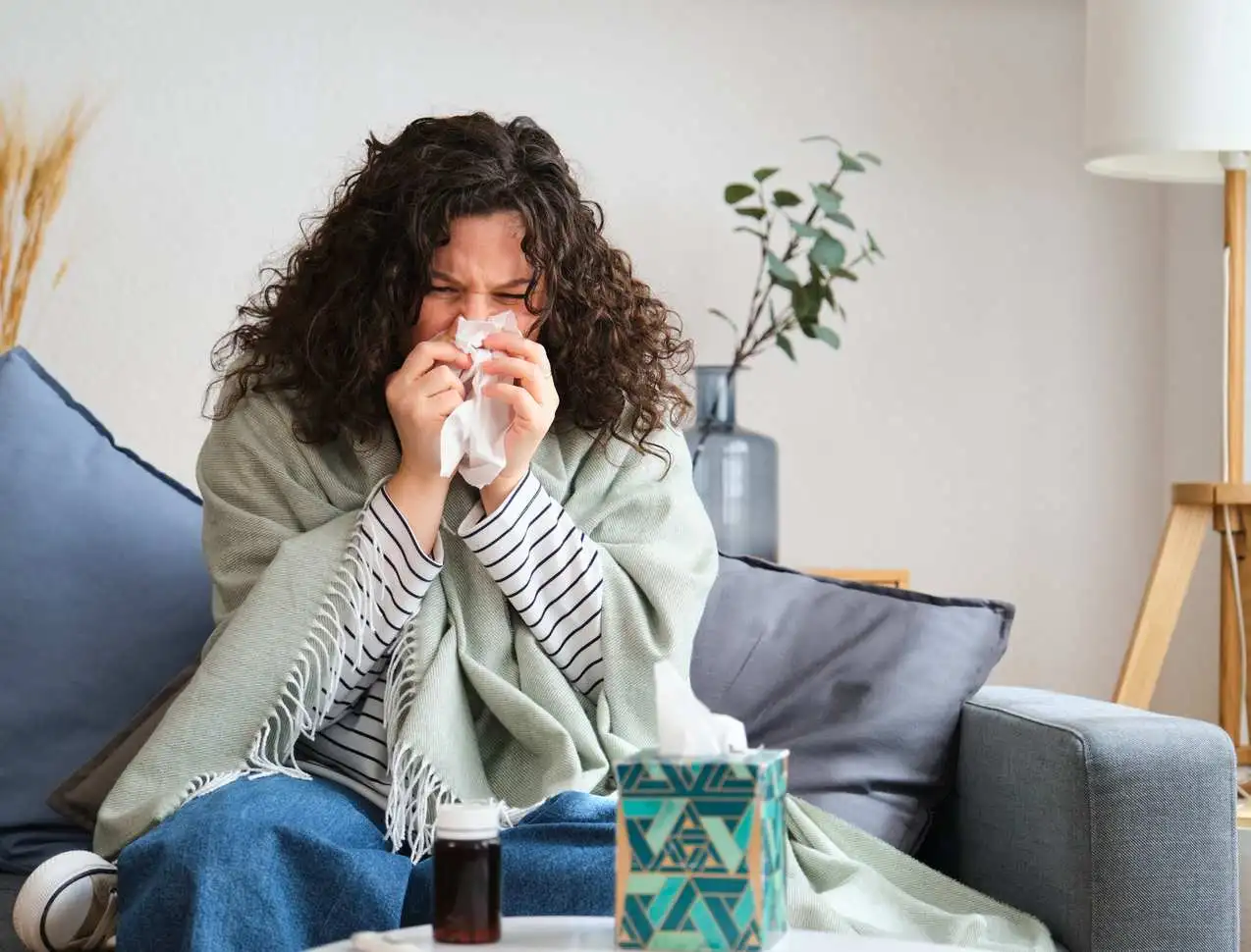

How to avoid catching colds or the flu: Tips to prevent them before they start
Winter not only brings cooler weather and the football season of choice, but we also get the cold and flu season (cue sneezing). Australian adults may have 2-4 colds a year, and young children in childcare and primary school could have 5-10 which means that adults around little ones are likely to have more.

Sick again? When to ride it out, and when to see a doctor
The cooler weather is here and while this is a relief after a long, hot summer and autumn, it also means the cold and flu season is back. Winter is the peak time for the sniffles, which can lead to unwelcome viral upper respiratory tract infections, colds and flus.
A guide to 7 of our favourite picks for cold & flu relief
Are you looking for guidance to prevent the common cold & flu this sniffle season? Read our guide on 7 of the best products to help prevent a cold and provide symptom relief.

Cold or Flu: Understanding the Key Differences
Picture this: you’re battling a bug. You feel rotten, but you don’t know whether you’ve got a common cold or the flu. They’re both contagious respiratory bugs, but they’re actually as different as night or day! Not only are they caused by different viruses but they have different symptoms too. Let’s take a look at how to tell the two apart and the best way to treat them so you can bounce back fast.


Cold & flu remedies: What to take and when
With the right support at the right time, you can reduce the severity and duration of your symptoms.

Prepare for daycare: how to strengthen your toddler’s immune system
Is your child ready for daycare? Find out how to support their immune system for this new adventure. Learn from the experts, check out our latest article now.

When to see your doctor and what to look out for
Should I go to the doctor? Most of us have asked ourselves that question at some point in our lives. Whether it's a severe cold or flu to a newly appearing spot or mole on your body, or even a niggling pain that just won’t go away, it can be difficult to know when to actually go and see your doctor.
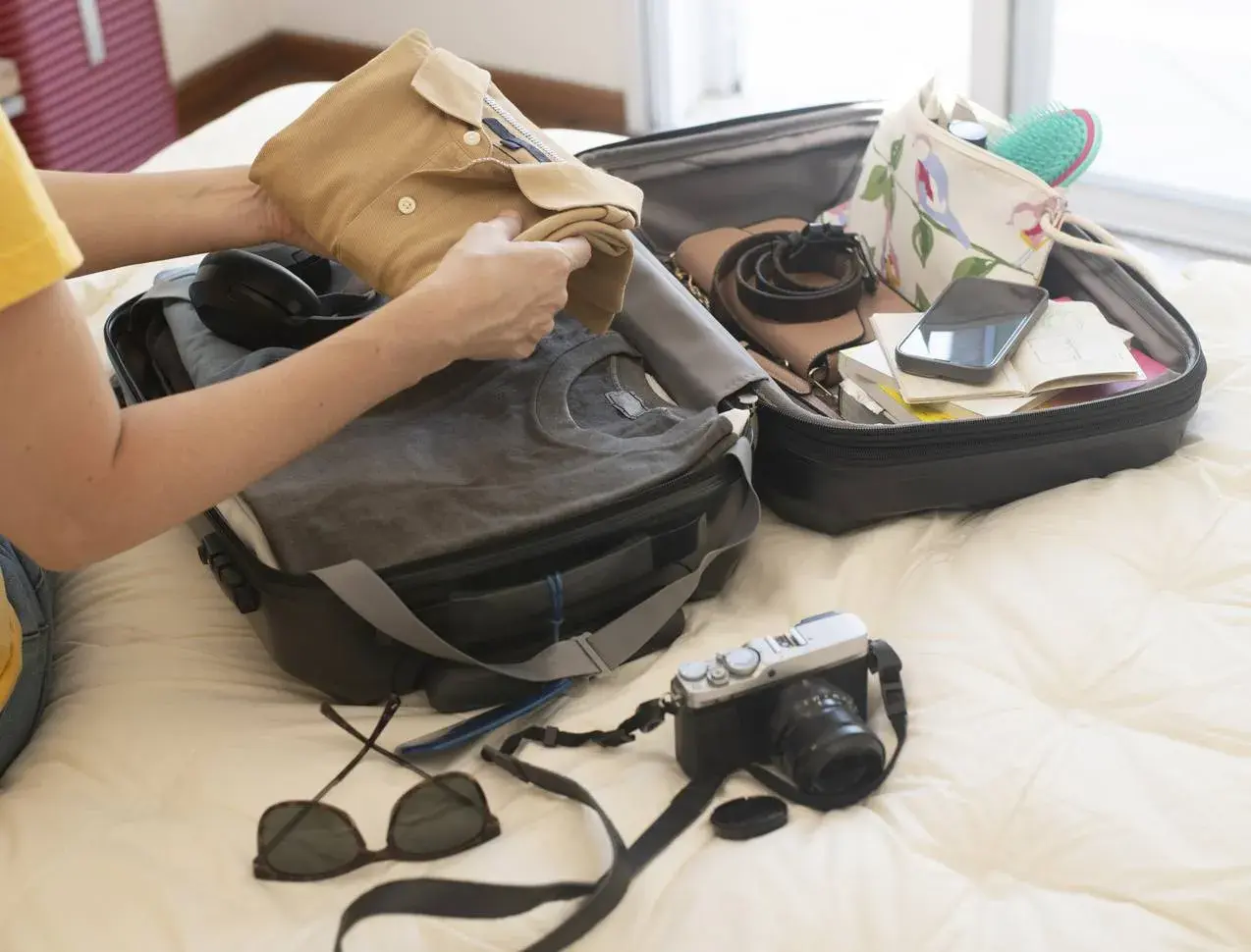
Travel ready-wellness: What essentials to pack
Planning a trip and wondering what wellness essentials to pack? A well-stocked travel kit keeps you ready for those travel hiccups that may arise, such as nausea, dehydration and tummy troubles. Here's a comprehensive guide to help you stay healthy and enjoy your journey.


Top immune myths, busted by experts
In just a few hundred years, we've evolved from using signal fires, letters, and even carrier pigeons to being instantly connected. But while we’re digitally connected, are we meaningfully connected as human beings?

Health advice in 2022: what to keep and what to ignore
When it comes to tips on being healthy there's some really great advice available. Also some that's not. Find out what advice to follow and what to leave behind.
This article is for informational purposes only and does not provide medical advice, diagnosis, or treatment. Any information published on this website or by this brand is not intended as a substitute for medical advice. If you have any concerns or questions about your health you should consult with a health professional.