


5 ways to improve insulin sensitivity

Improving insulin sensitivity – your body’s ability to use insulin effectively – is key to maintaining healthy blood sugar levels and supporting metabolic health. The good news? From diet and exercise to managing stress, simple lifestyle changes can support insulin function. Here are five science-backed ways to support your insulin sensitivity for better energy, health, and overall wellbeing.
1. Balance your plate
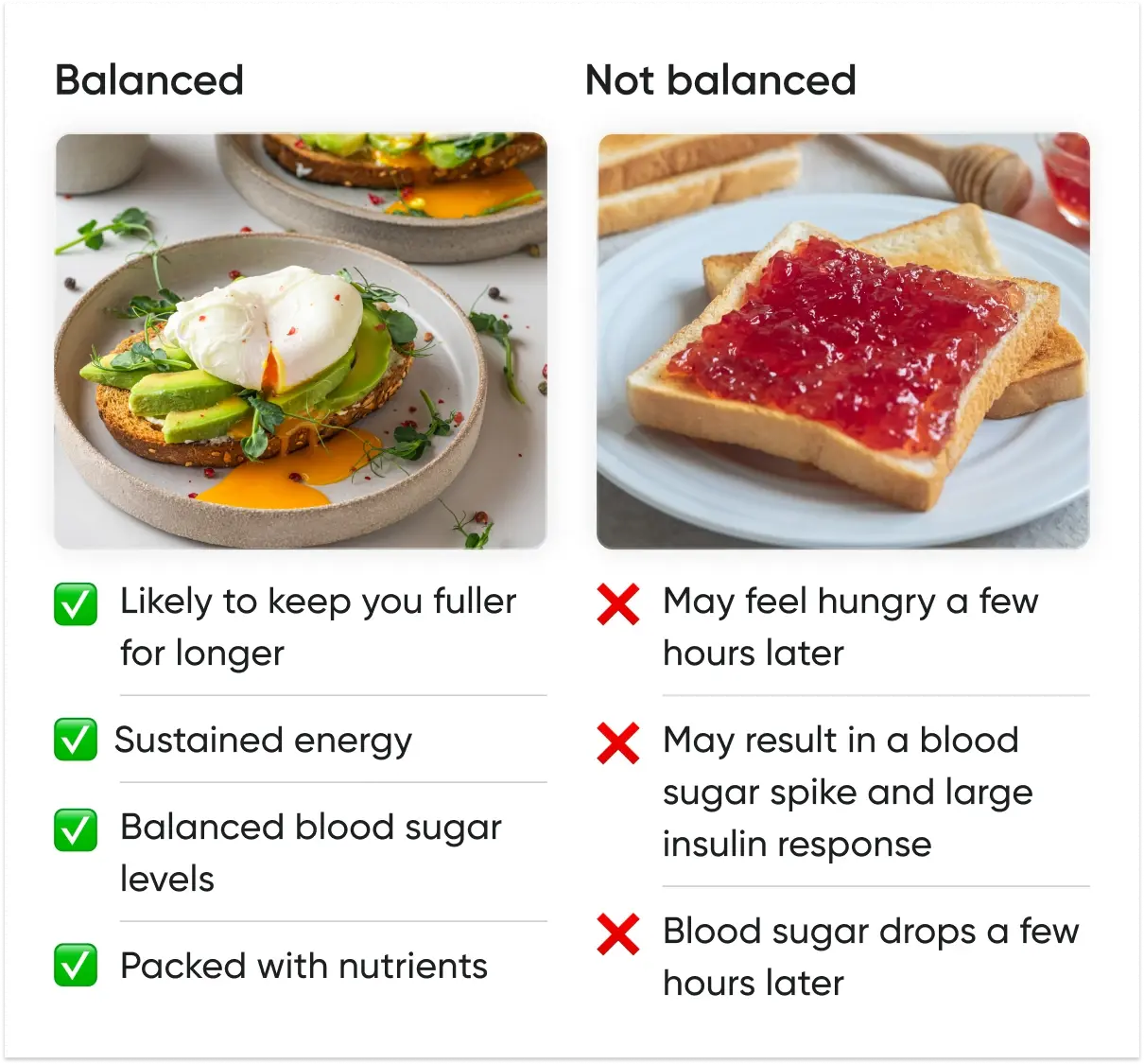
Fuelling your body with enough food and a healthy balance of nutrients can help keep you satisfied after meals and support balanced blood sugar levels. Here's how:
- Protein: Keeps you satisfied. Try adding lentils, quinoa, nuts and seeds, tofu, eggs or lean meats like fish, or chicken to meals.
- Veggies and legumes: Packed with fibre that slows digestion and helps to balance blood sugar. Even better, they’re also rich in polyphenols—plant compounds with antioxidant properties that may improve metabolic health, according to research.
- Whole grains and starchy veggies: Provide slow burning carbohydrates that have a low glycemic index, providing a steady release of energy to help to balance blood sugar. Grains like couscous, barley, quinoa, brown rice, oats or a slice of wholegrain bread are examples of whole grains. Sweet potato, potato, pumpkin and corn are starchy vegetables.
- Healthy fats: slows digestion and supports the release of appetite-regulating hormones, helping with blood sugar. Try adding some olive oil, avocado, or even some cheese like goats cheese or feta to your meal, and notice if you feel more satisfied. Don’t be afraid to drizzle your veggies in extra virgin olive oil when cooking.
Balancing your plate with wholegrains, lean protein, vegetables, legumes and healthy fats can slow down the digestion of carbohydrates, leading to steadier blood sugar. When blood sugar remains stable, it requires less insulin, which helps improve the body’s sensitivity to it over time.
2. Exercise for better insulin sensitivity
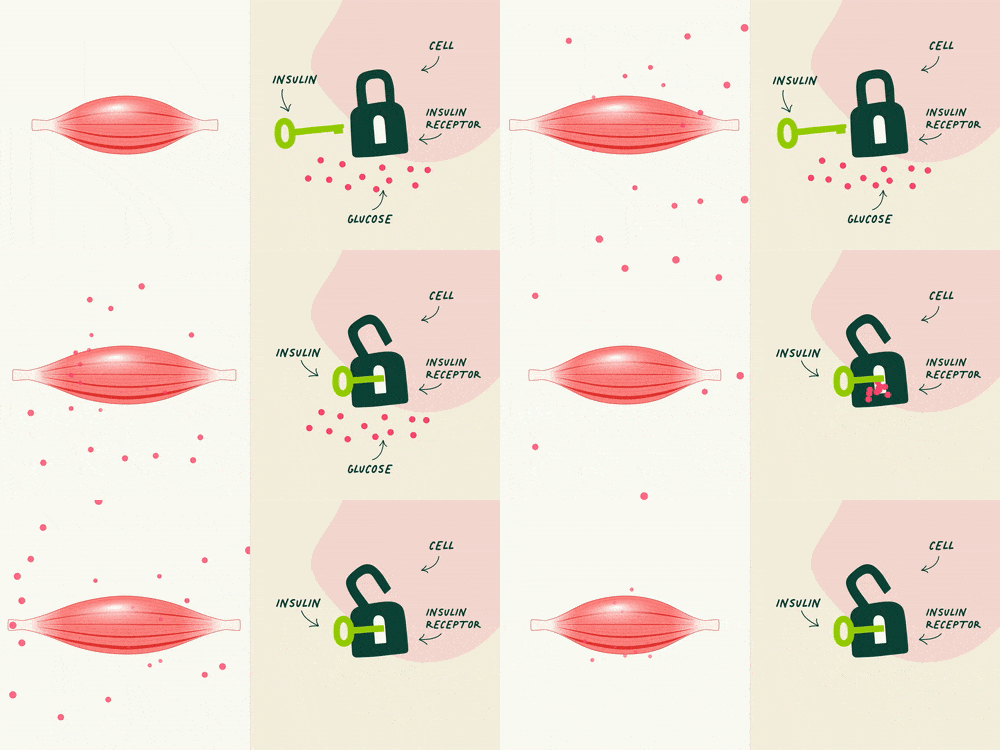
Exercise has a powerful impact on blood sugar and insulin sensitivity. When you exercise, your muscles tap into stored sugar for energy, meaning your body needs less insulin afterward to manage blood sugar levels. Both cardio exercises (like walking or cycling) and strength training (like lifting weights) have been shown to improve insulin sensitivity.
To reap the benefits, aim for at least 2.5 hours of cardio activity each week, plus at least two days of strength training. Even small actions, like short walks after meals, can make a difference by reducing blood sugar spikes and helping muscles use sugar more efficiently. Every bit of movement counts!
3. Keep an eye on stress levels
Cortisol, your body’s main stress hormone, plays a key role in the body’s “fight or flight” response by raising blood sugar levels. But here’s the catch: when cortisol stays high over time, it can lead to higher blood sugar and reduce your cells’ sensitivity to insulin— creating a cycle of elevated insulin and blood sugar levels.
Managing stress may help break this cycle and have a positive impact on insulin sensitivity. Try incorporating daily stress-relief practices, like mindfulness meditation, breathing exercises, or even a hobby you enjoy. Prioritise what helps you feel calm and centered—it’s good for your mind and your metabolic health.
4. Prioritise sleep
Getting enough quality sleep supports healthy blood sugar regulation and insulin sensitivity. Studies show that sleep deprivation can raise cortisol levels and throw off hunger hormones, which may result in cravings for foods that are high in sugar and fat.
The Australian Sleep Health Foundation recommends adults aim for 7 to 9 hours of sleep each night. But what is even more important is to tune in to how you feel each morning. Are you still waking up unrefreshed? It might be time to prioritise sleep quality, by maintaining a consistent sleep schedule, limit caffeine in the afternoon, and create a relaxing bedtime routine.
5. Swap added sugar for natural sugars
While most of us recognise that sugar may have an impact on our metabolism, it’s also a key source of energy for the body—so the balance can seem confusing. Whilst there are many types of sugars and various names for them, the key is understanding the difference between the two main types: natural and added sugars.
Added sugars – like those in soft drinks, lollies, pastries, and processed foods – provide little nutritional value and can lead to rapid blood sugar spikes. On the flip side, natural sugars found in whole foods like fruits, vegetables, and dairy, come packed with fibre, vitamins, and minerals that help balance blood sugar levels and support long-term health. Swapping added sugar for natural sugars is a simple step that can have a positive impact on weight, metabolism, and overall health.
Try these mindful swaps to enjoy sweetness naturally:
- Satisfy sweet cravings with whole foods: Instead of reaching for candy or desserts, try plain Greek yoghurt with a handful of berries and a sprinkle of cinnamon.
- Rethink your beverages: Trade soft drinks or sugary drinks for sparkling water with added fruit like lemon, berries, or mint. This keeps things refreshing without the added sugar.
- Prep satisfying breakfasts: options like overnight oats or a veggie-packed frittata keep your energy up without the crash.
Can supplements help with insulin resistance?
First and foremost, it’s important to set the foundations for healthy blood sugar levels with a healthy, balanced diet. Once that’s in place, certain supplements may be added for additional blood sugar support, such as:
- Berberine: A compound found in different herbal medicines helps maintain healthy blood sugar.
- Chromium: Assists cells to take in and utilise glucose.
- Spices: Like cinnamon and star anise are like secret superheroes. They add sweetness to food, but they also have the ability to help balance blood sugar in the body.
Blood sugar and insulin sensitivity are key for our bodies to function properly and to support metabolic health. If you need more tailored advice, visit your healthcare professional.
The bottom line
To improve insulin sensitivity and keep blood sugar levels in check, focus on a few key lifestyle changes:
- Start with a balanced diet rich in protein, fibre, healthy fats, and slow-burning carbs
- Move your body regularly with a mix of cardio and strength training to help insulin work more efficiently
- Manage stress through mindfulness and get quality sleep for added support. While supplements like berberine, chromium, and certain spices can provide extra support, they should complement a healthy lifestyle—not replace it. By taking a holistic approach, you’ll optimise insulin function, boost overall health, and feel your best.
Reviewed by the Healthylife health experts December 2024.
Related reads













This article is for informational purposes only and does not provide medical advice, diagnosis, or treatment. Any information published on this website or by this brand is not intended as a substitute for medical advice. If you have any concerns or questions about your health you should consult with a health professional.
About this article

Kate Agnew
Kate is passionate about innovation and problem-solving in health & nutrition. Her goal is to ultimately create a healthier environment for all Australians. In 2023, Kate was awarded the Young Achiever Award from Dietitians Australia.