


Why should you use low-tox haircare products?
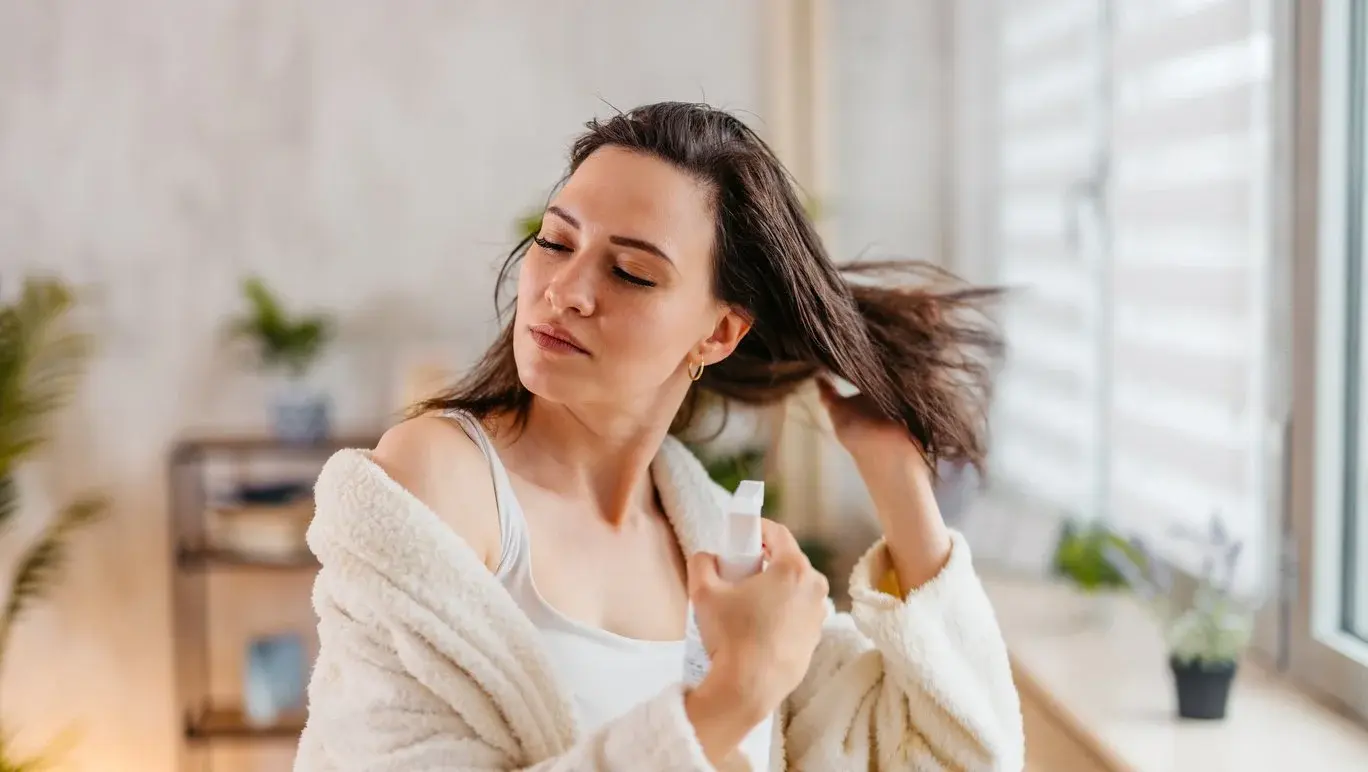
When it comes to personal care, what we put on our bodies is just as important as what we put in them. And haircare? It’s no exception. From shampoos to styling sprays, the products we lather, rinse, and repeat with can have a bigger impact than we think.
Low-tox living isn’t about perfection, it’s about reducing unnecessary exposure to ingredients that could irritate the skin, disrupt hormones, or impact the environment. Here’s what that means when it comes to your haircare routine.
What are low-tox products?
There’s currently no universal legal definition for “low-tox,” and how our bodies respond to certain ingredients can vary from person to person.
Just like some people thrive on peanuts while others experience severe allergic reactions, sensitivity to cosmetic ingredients can be highly individual. This makes defining “low-tox” tricky.
However, when it comes to personal care and beauty, the term generally refers to products formulated with minimal or no harsh chemicals, reduced synthetic additives, and a greater focus on transparency.
What are the benefits of using low-tox haircare?
1. Kinder to your scalp
The scalp is an extension of your skin, and it absorbs a lot of what we put on it. Harsh surfactants and preservatives like sodium lauryl (or laureth) sulfate (SLS) and methylisothiazolinone (MI), may cause irritation or dryness, especially if you’re washing frequently. Studies have linked some of these ingredients to contact dermatitis.
2. Less chemical overload
Ingredients such as parabens and phthalates have been studied for their potential to act as endocrine disruptors. Research suggests long-term exposure could affect hormone balance. Low-tox products aim to minimise this kind of exposure.
3. Support long-term hair health
Some conventional products deliver short-term shine using synthetic ingredients like silicones, but these can build up and weigh hair down. Low-tox options often use nourishing plant oils, proteins, and botanicals that work with the long-term health of your hair, not just on top of it.
Common ingredients in conventional haircare
While many of these ingredients are legally approved for use, there’s ongoing research into how they may affect our health over time, especially with regular, long-term exposure.
Here are a few that regularly pop up:
- SLS/SLES (sodium lauryl/laureth sulfate): Common foaming agents that may strip natural oils and irritate the skin.
- Parabens: These are preservatives used to extend shelf life. Some types may mimic oestrogen in the body, which has led to concerns about their potential role in hormonal disruption.
- Phthalates: Often found in synthetic fragrances, phthalates have shown endocrine disrupting effects, with some research linking them to reproductive health concerns. However, regulatory bodies have set exposure limits deemed safe.
- Silicones (e.g., dimethicone): These smooth the hair temporarily, but may lead to build-up on the scalp and hair.
- Formaldehyde releasers (e.g., imidazolidinyl urea, diazolidinyl urea, and polyoxymethylene urea): These are used in cosmetics to extend shelf life by slowly releasing small amounts of formaldehyde. While levels in Australian products are regulated and considered safe (up to 0.2% free formaldehyde), ongoing research is exploring potential links to skin irritation and other sensitivities. If you have sensitive skin or allergies, you might choose to avoid them.
What to look for in low-tox haircare
If you're curious about making the switch, here are some things to keep in mind:
- Clear labelling: The more transparent, the better. Brands that openly list all their ingredients are worth a second look. It is also worth noting the words ‘natural’ and ‘clean’ can mean many different things and are not necessarily free from harsh ingredients.
- Fewer ingredients: Simpler can often mean gentler, especially for sensitive skin.
- Natural scent sources: While essential oils are considered a good alternative to synthetic fragrances, they can be highly irritating, especially for sensitive skin. Consider going fragrance free if this is an issue for you.
You might choose to avoid some of the ingredients listed above if they don’t align with your skin type, personal preferences, or values. It’s all about what feels right for you.
The bottom line
Low-tox haircare is about making small, informed changes that support your health. While not every synthetic ingredient is harmful, reducing exposure where it counts, especially in products you use daily can make a difference over time.
Think of it as a gentle upgrade to your routine. No need to overhaul your bathroom cabinet overnight, but if your shampoo is doing more than cleaning your hair, it might be time to take a closer look at the label.
Related reads:
Reviewed by the Healthylife health experts April 2025.
Related reads











This article is for informational purposes only and does not provide medical advice, diagnosis, or treatment. Any information published on this website or by this brand is not intended as a substitute for medical advice. If you have any concerns or questions about your health you should consult with a health professional.
About this article

Gabbie Watt
A bachelor degree qualified Naturopath, Gabbie is passionate about integrating evidence-based practice and traditional medicine. Formerly a Radiation Therapist, her background in conventional medicine enriches her holistic health approach.