


Mineral vs chemical sunscreens: what you need to know
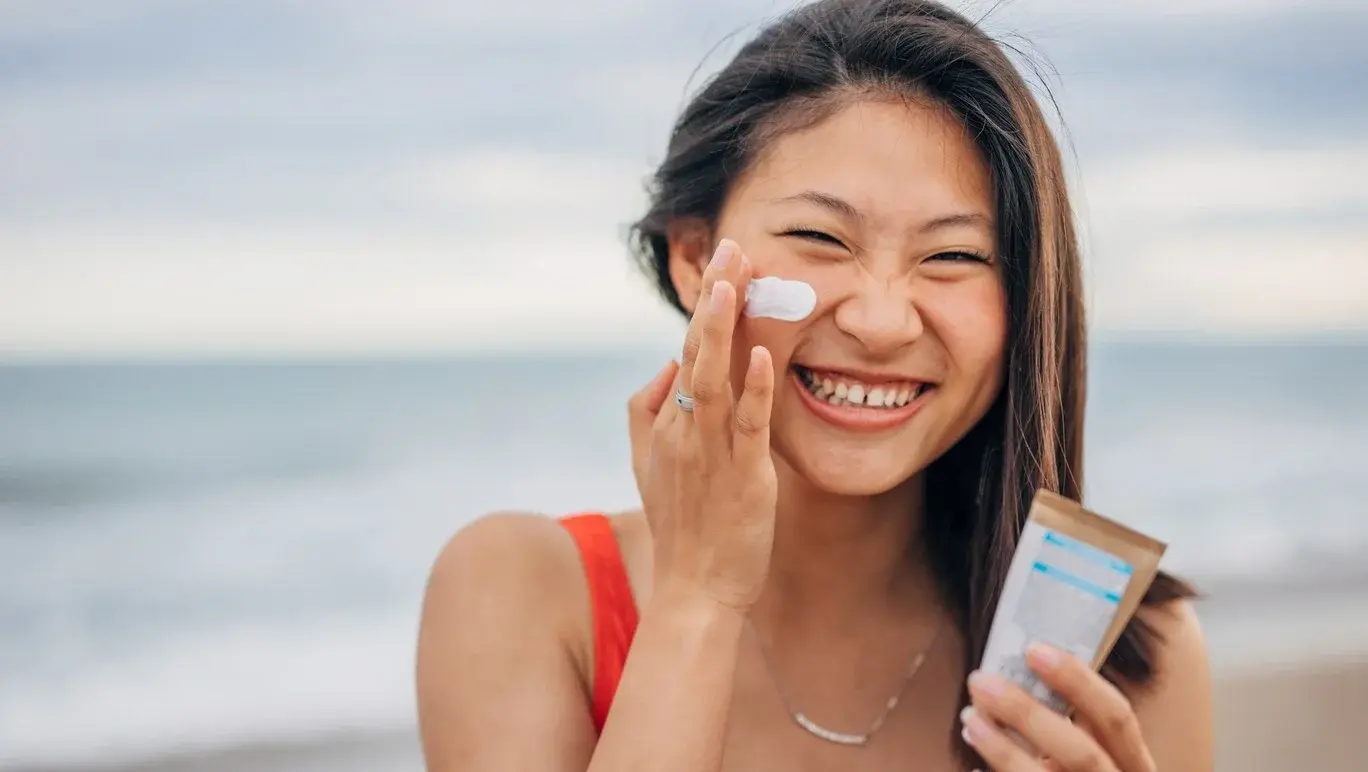
There’s been a lot of talk lately about sunscreen safety in Australia, particularly around some mineral sunscreens that may not live up to their labelled SPF claims. The Therapeutic Goods Administration (TGA) is now reviewing several products and formulations, sparking important conversations about how sunscreens are tested, manufactured and labelled.
If you’ve been left wondering which sunscreens you can trust and whether mineral or chemical options are better, you’re not alone. In this article, we’ll break down what’s happening with sunscreen testing in Australia, explain the key differences between chemical and mineral sunscreens, and share practical tips on how to choose (and use) one that keeps your skin protected every day.
Sunscreen testing under review in Australia (as of Oct, 2025)
Recent reports have raised questions about the accuracy of SPF claims on some sunscreens in Australia. The Therapeutic Goods Administration (TGA) is reviewing several products after tests showed that a number of sunscreens may not provide the level of protection listed on the label.
The issue lies in both the formulation of the products as well as the SPF testing labs that were found to be inaccurate.
While the TGA works with these manufacturers to ensure the products meet safety and effectiveness standards, the key takeaway is to keep wearing sunscreen every day.
What is a mineral sunscreen?
Mineral sunscreens, also called physical sunscreens, contain zinc oxide or titanium dioxide. It was once widely believed that these ingredients worked only by ‘scattering’ UV, but now research shows that they work by absorbing UV with a little bit of scattering.
You might recognise these as sunscreens that have a ‘white cast’ when you apply them and they might have a thicker feel when compared to chemical sunscreens.
What is a chemical sunscreen?
Chemical sunscreens, or organic sunscreens, absorb UV rays through ingredients like avobenzone, octinoxate, or homosalate. They convert UV rays into heat, which is released from the skin. They’re usually lighter and invisible on the skin.
Key differences and how to spot your sunscreen type
Mineral sunscreens
How it works:
- Absorbs and scatters UV rays
Common Ingredients:
- Zinc oxide
- Titanium dioxide
Look and feel:
- Thicker in texture
Can leave a white cast when applied
Chemical sunscreens
How it works:
- Absorbs UV rays and releases heat
Common Ingredients:
- Avobenzone
- Octinoxate
- Homosalate
Look and feel:
- Lighter in texture
- Usually invisible when applied and blends easily
Choosing the right sunscreen
Choosing a sunscreen comes down to three key factors: protection, practicality, and consistency. The most effective sunscreen is one you’ll apply generously and reapply as needed. When choosing a sunscreen that’s right for you, consider the following:
Protection
SPF (Sun Protection Factor)
Indicates how well the sunscreen protects the skin from sunburn. For example, SPF 30 blocks about 97% of UVB rays, while SPF 50 blocks about 98%. So the difference between them is small, both give excellent protection as long as you apply enough sunscreen and reapply regularly.
Broad-spectrum protection
- Broad-spectrum means that it shields against both UVA and UVB rays.
- UVB rays are the main cause of sunburn and play a major role in the development of skin cancer.
- UVA rays penetrate deeper into the skin and are responsible for premature ageing, wrinkles, pigmentation, and also contribute to skin cancer.
- Since UVA testing standards can vary internationally, opting for a sunscreen labelled ‘broad spectrum’ is recommended to ensure adequate coverage from both.
Practicality
If you’re swimming, exercising, or spending time in the sun, a water-resistant sunscreen is ideal, as it maintains protection during sweating or water exposure.
It’s also important to apply your sunscreen about 20 minutes before heading outdoors to give it time to absorb and protect your skin. And be generous, most adults need around seven teaspoons in total! One for each limb, one for the front, one for the back, and one for the head. That’s roughly 35mL for full-body coverage.
Finally, texture matters. Lightweight, non-greasy formulas are easier to wear daily, while thicker, water-resistant options are best for outdoor activities. Having different types on hand, such as an everyday face sunscreen and a high-protection sport version, can help maintain consistent sun protection across all settings.
Consistency
The most effective sunscreen is the one you’ll apply consistently. Choose a formula that feels comfortable, suits your skin type, and integrates easily into your daily routine. While the active UV filters provide the core protection, it’s equally important to consider the full ingredient profile like fragrances, preservatives or certain emollients that may irritate sensitive skin. Prioritising a sunscreen you can apply regularly and generously ensures the best long-term protection.
Can you still trust mineral sunscreens?
The recent SPF testing controversy has understandably raised questions about mineral sunscreens. While some products are being reviewed, it’s important to remember that mineral sunscreens themselves remain a form of UV protection and the issue lies with specific formulations and testing inconsistencies, not the active ingredients (zinc oxide and titanium dioxide).
This means you don’t need to abandon mineral sunscreens altogether, but it does highlight the importance of choosing products that are TGA-registered, broad-spectrum, and tested by accredited laboratories. Checking these labels helps ensure that the sunscreen you pick, whether mineral or chemical, delivers the protection it promises. One helpful way you can check your sunscreen is listed with the TGA is by looking for an AUST-L or AUST-R number on the front of the pack.
The bottom line
Even with the recent TGA updates, sunscreen remains one of the most important tools for protecting your skin from UV damage. Choosing a TGA-listed, broad-spectrum sunscreen you feel comfortable using, and combining it with everyday sun-safe habits, is key.
And always remember to follow the sun safety basics like wearing protective clothing, applying SPF 50+ sunscreen, seeking shade, and sliding on sunglasses.
Reviewed by the Healthylife health experts October 2025.
Related reads











This article is for informational purposes only and does not provide medical advice, diagnosis, or treatment. Any information published on this website or by this brand is not intended as a substitute for medical advice. If you have any concerns or questions about your health you should consult with a health professional.
About this article

Gabbie Watt
A bachelor degree qualified Naturopath, Gabbie is passionate about integrating evidence-based practice and traditional medicine. Formerly a Radiation Therapist, her background in conventional medicine enriches her holistic health approach.