


PHGG: What is it and are there benefits?
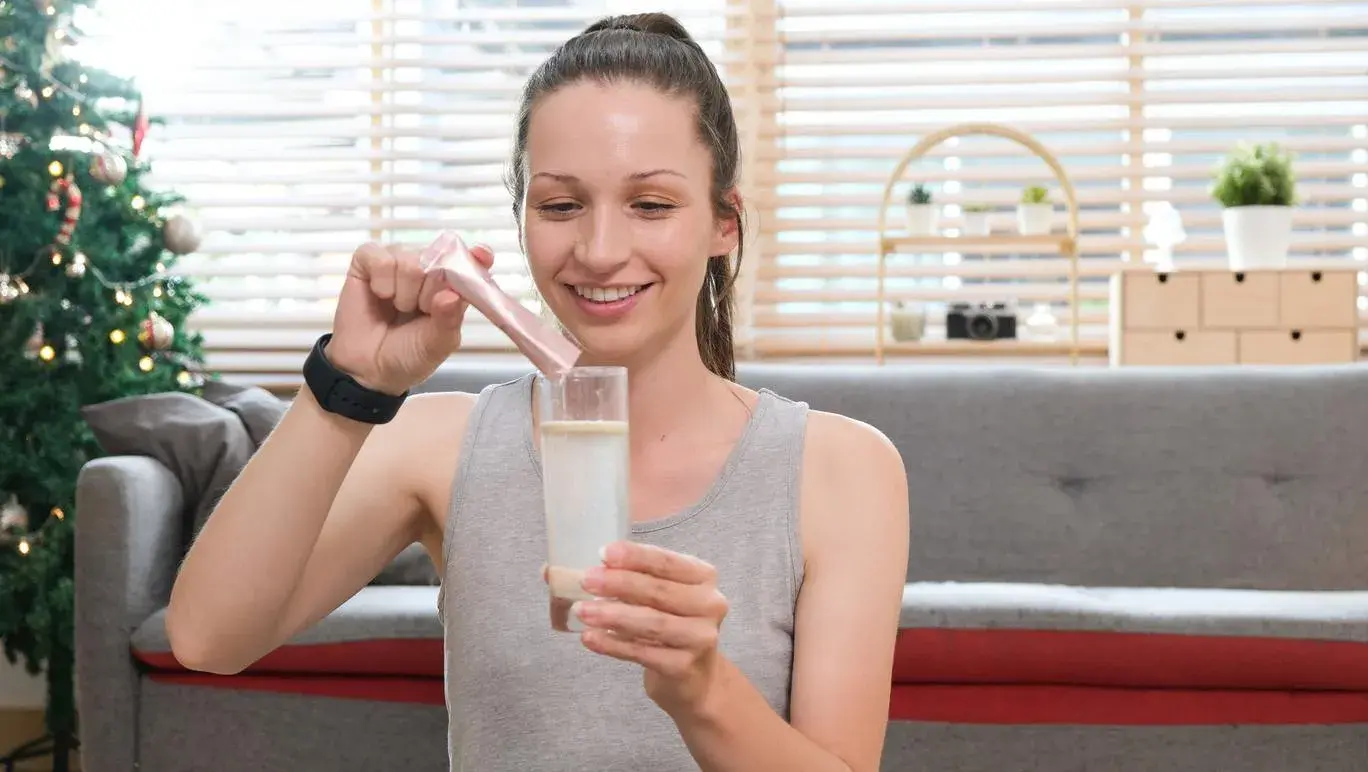
In the world of gut health, fibre is often treated like a one-size-fits-all solution. But in reality, different fibres behave very differently once they hit your digestive system. One of the most interesting and clinically researched fibres is PHGG (Partially Hydrolysed Guar Gum).
Unlike many fibres that bulk, gel, or ferment quickly (sometimes a little too enthusiastically), PHGG fibre has a unique structure that allows it to act more gently and intelligently in the gut. That’s why it’s increasingly being studied for its role in supporting conditions such as Irritable Bowel Syndrome (IBS), constipation, diarrhoea, alongside certain medical treatments.
So, what is PHGG really doing in the body, and why is it getting so much attention?
What is PHGG?
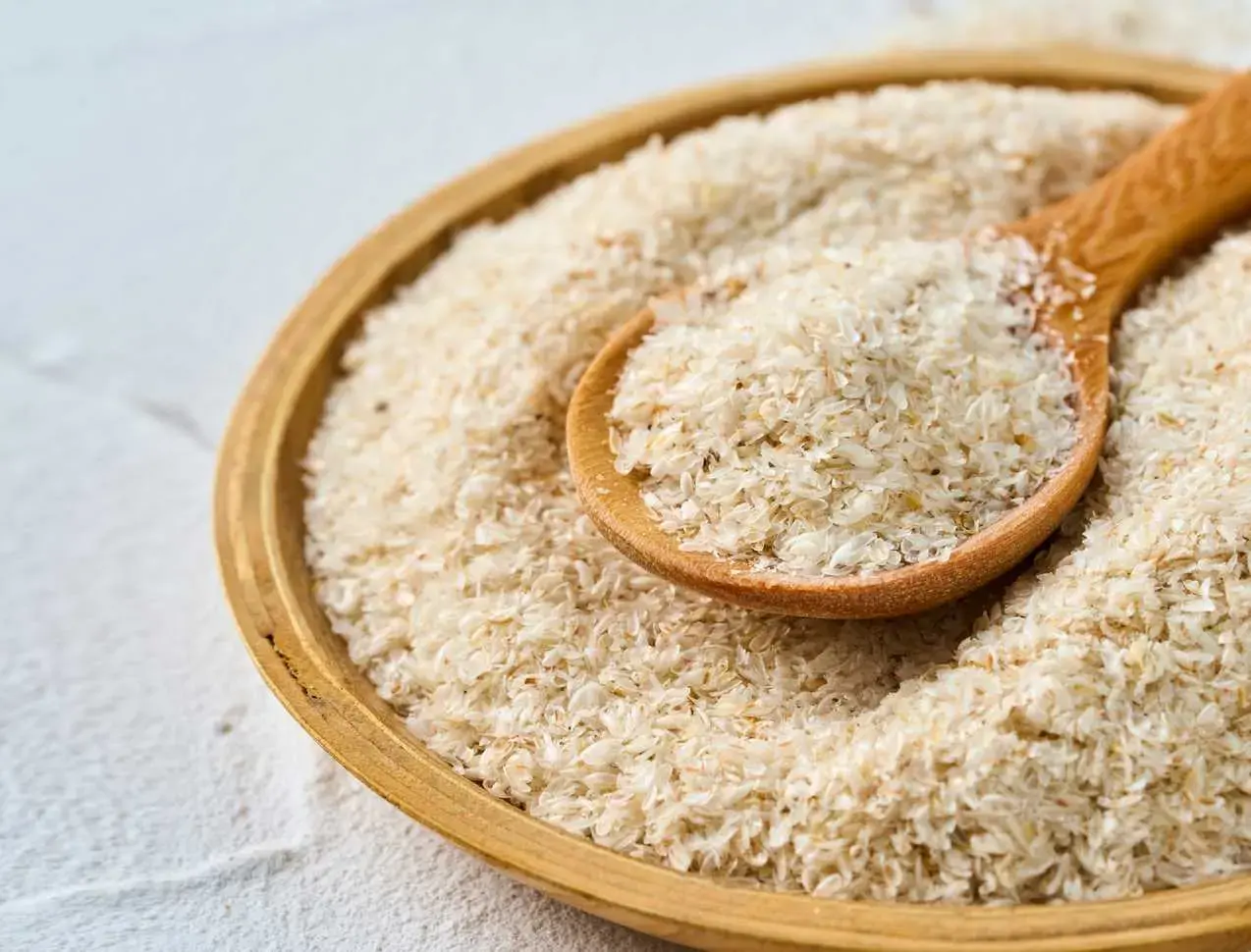
PHGG (Partially Hydrolysed Guar Gum) is a soluble dietary fibre derived from guar beans. Through an enzymatic process called hydrolysis, the original guar gum is broken down into a lower-viscosity fibre that is:
- Completely water soluble
- Non-gelling (it does not thicken liquids)
- Tasteless and texture-neutral
- Easily mixed into water, coffee, soups, and even nutrient-dense drinks
Unlike intact guar gum, PHGG fibre remains in liquid form, which makes it highly versatile and well tolerated.
From a physiological perspective, PHGG is classified as a prebiotic fibre, meaning it selectively feeds beneficial gut bacteria and supports a healthier microbiome balance.
How does it work?
PHGG works through a combination of gentle fermentation, changing the microbiome of the gut, and encouraging more regular bowel movements.
1. Slow, “distal” fermentation
Unlike rapidly fermenting fibres such as inulin, PHGG ferments gradually as it moves through the colon. Research shows this slower fermentation allows it to reach further along the large intestine, supporting the distal colon where stool consistency and gut lining integrity are particularly important.
This process leads to the production of short-chain fatty acids (SCFAs) such as butyrate, which are essential for:
- Providing energy to the cells in the colon
- Strengthening the gut barrier
- Reducing inflammation in the gut and other areas of the body
2. A “bi-directional” normalising effect
One of PHGG’s most interesting features is its normalising effect on bowel movements. Rather than acting only as a laxative or stool hardener, PHGG helps bring bowel function toward balance.
- In constipation: it increases stool softness and frequency
- In diarrhoea (including IBS-D): it improves stool consistency
This makes PHGG a eubiotic fibre, meaning it supports overall gut equilibrium (balance) rather than pushing the system in one direction.
3. Microbiome support and SIBO relevance
PHGG has also been studied in the context of Small Intestinal Bacterial Overgrowth (SIBO). Interestingly, rather than worsening symptoms, PHGG has been shown to enhance the effectiveness of antibiotics such as rifaximin in clinical settings.
This may happen because PHGG helps improve bacterial balance, making medical treatments more effective for some patients.
What are the benefits of PHGG?
1. Supports digestive regularity
PHGG fibre may help to regulate bowel movements in both constipation and diarrhoea, making it useful for people with IBS or fluctuating symptoms.
2. Gut microbiome support
As a prebiotic fibre, studies have shown PHGG nourishes the beneficial gut bacteria, helping improve microbial diversity and produce metabolic byproducts like SCFAs.
3. Gentle and well tolerated
Because it ferments slowly and does not gel, PHGG is generally associated with lower rates of bloating and gas compared to more rapidly fermenting fibres.
4. Non-thickening “invisible fibre”
A key practical benefit: PHGG does not alter texture.
This makes it suitable for a wide range of food and drinks:
- Coffee and tea
- Protein shakes
- Soups and broths
- Medical nutrition drinks
Importantly, because it is non-gelling, it does not significantly slow gastric emptying or nutrient absorption, which can be beneficial for individuals needing energy-dense or high-nutrition intake (e.g. athletes or older adults).
5. May support gut barrier integrity
Through SCFA production (particularly butyrate), PHGG may support the intestinal lining and overall gut barrier function.
Are there any side effects to taking PHGG?
PHGG is generally well tolerated, but like all fibres, it may cause mild digestive symptoms in some people, particularly when introduced too quickly.
Possible side effects include:
- Mild bloating (although in some it may improve)
- Temporary gas
- Changes in stool frequency during adjustment
These effects are usually dose-dependent and often improve with gradual introduction.
How to use PHGG?
PHGG is typically introduced in small doses and gradually increased.
General use guidelines:
- Start low (e.g. 2–3 g per day)
- Increase slowly based on tolerance up to 5gm per day
- Can be taken once or split across the day
- Mix into cold or warm liquids (it’s heat stable and dissolves easily without changing texture)
When to speak to a health professional
You should speak with a qualified health professional before using PHGG if you:
- Have a diagnosed medical condition
- Are undergoing antibiotic treatment for gut conditions
- Have unexplained persistent changes in bowel habits
- Are immunocompromised or managing complex digestive symptoms
A healthcare practitioner can help tailor dosage and ensure PHGG is appropriate for your individual gut health needs.
The bottom line
PHGG fibre is not your typical “bulking” fibre. It behaves more like a smart, slow, microbiome-supporting prebiotic that gently works with the gut rather than forcing it in one direction.
Its non-gelling nature and slower, more gentle fermentation profile, make it one of the more versatile fibres in gut health nutrition.
For people looking for a fibre that is gentle, flexible, and evidence-based, PHGG is worth understanding and potentially, incorporating under professional guidance.
Reviewed by the Healthylife health experts July 2026.
Related reads











This article is for informational purposes only and does not provide medical advice, diagnosis, or treatment. Any information published on this website or by this brand is not intended as a substitute for medical advice. If you have any concerns or questions about your health you should consult with a health professional.
About this article

Gabbie Watt
A bachelor degree qualified Naturopath, Gabbie is passionate about integrating evidence-based practice and traditional medicine. Formerly a Radiation Therapist, her background in conventional medicine enriches her holistic health approach.