What is resistant starch and why do we need it?
Supercharged Food7 November 2022·2 min read
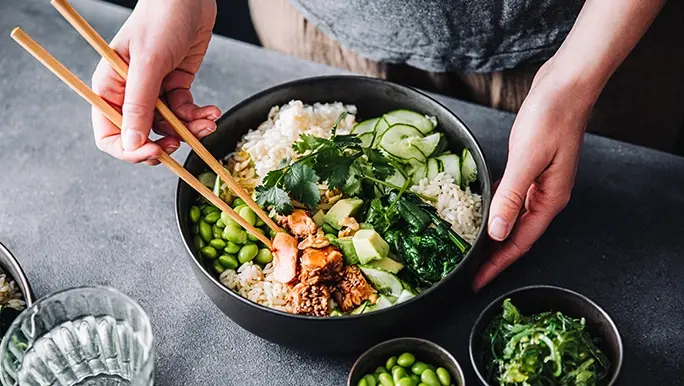
Person holds salad bowl filled with fresh ingredients including grains, which are a good source of resistant starch to help support gut health.

Spread the word

When it comes to optimal food and nutrition for gut health, resistant starch is something that falls into this category. But what is it, exactly? Put simply, resistant starch is a type of dietary fibre that passes through the digestive tract undigested. 

One of the best ways to support a thriving gut microbiome is to feed it with the right kind of foods and nutrients. This means supplying the “good” bacteria with what it needs to survive and grow, and maintaining a healthy microbiome balance between good and bad bacteria. 

What is resistant starch?

Resistant starch is a type of prebiotic that is a non-digestible food ingredient that selectively feeds these friendly organisms -  good bacteria. Prebiotics are dietary fibres such as inulin, galactooligosaccharides and fructooligosaccharides. These are found throughout a range of legumes, fruits, vegetables, nuts, seeds, and whole grains.

What's so special about these dietary fibres?

Prebiotics undergo bacterial fermentation that become the food and fuel helping good bacteria thrive and grow in abundance. Short-chain fatty acids (acetate and butyrate) are produced by these beneficial bacteria as a result and become the main source of energy for the cells lining the colon, which consequently contributes to healthy gut integrity. Interesting, right? Short chain fatty acids also assist in the absorption of nutrients, maintain a healthy gut pH and are important for optimal gut functioning. 

What foods are high in resistant starch?

Glad you asked. As it’s a dietary fibre, resistant starch can be found in whole foods such as grains, seeds and legumes. The starch content of these foods resists digestion because it’s bound within the fibrous cell walls. 

Raw food such as unripe, green bananas naturally contain resistant starch. Depending on how food is cooked and prepared will impact the type and level of resistant starch that food contains. The starch content in cooked rice and potatoes once cooled safely becomes indigestible through something called ‘retrogradation’. 


Related:

Reviewed by the healthylife Advisory Board October 2022.

Related reads

diet
Food and fibre: The way to a healthy future?
Sarah Gray
Sarah Gray

Food and fibre: The way to a healthy future?

Did you know, raspberries have a whopping 8g of fibre per cup? Discover what else you can include to increase your fibre

read more
gut health
What is the best fruit for gut health?

What is the best fruit for gut health?

Discover the best fruit for gut health and how best to eat fruit for the biggest health benefits.

read more
gut health
What exactly are prebiotics?

What exactly are prebiotics?

Curious about prebiotics? No, that’s not a typo. They are different from probiotics, and just as handy.

read more
gut health
What are the best vegetables for gut health?

What are the best vegetables for gut health?

Discover which vegetables may pack the most power when it comes to prebiotics to help keep your gut health happy.

read more
diet
20+ High fibre foods to support your microbiome
Simone Austin
Simone Austin

20+ High fibre foods to support your microbiome

Building a healthy gut microbiome is one of the most proactive things you can do for your overall wellbeing. And while many people turn to supplements, the best place to start is actually on your plate, with high-fibre foods. 

read more
diet
Soluble Fibre vs Insoluble Fibre: Which one is better?
Gabbie Watt
Gabbie Watt

Soluble Fibre vs Insoluble Fibre: Which one is better?

When people think about fibre, they usually think about one thing: staying regular. But it’s doing a lot more than simply helping you go to the bathroom. In fact, fibre is one of the most important nutrients for supporting everything from gut health and digestion to cholesterol levels, blood sugar balance and even the trillions of microbes living in your digestive tract.

read more
gut health
Prebiotic foods: 5 tasty foods to add to your plate

Prebiotic foods: 5 tasty foods to add to your plate

Did you know many foods are rich in prebiotics, which have a range of potential health benefits? So what is a prebiotic and how do they help your body? Discover more in our latest article.

read more
gut health
Are fermented foods the key to good gut health?

Are fermented foods the key to good gut health?

Fermented foods have been around for ages, but what do they do for gut health? Let’s ask the expert.

read more
vitamins & supplements
Postbiotics: what are they and are there health benefits?

Postbiotics: what are they and are there health benefits?

Ever heard of postbiotics? Yep, they’re a thing. Learn about the difference between probiotics and prebiotics and how you can get more postbiotics into your diet through the foods you eat.

read more
gut health
Are bananas good for gut health? Here’s what the science says

Are bananas good for gut health? Here’s what the science says

The benefits of eating bananas for gut health. How the nutritional content of a banana stacks up against other fruit.

read more

Spread the word

This article is for informational purposes only and does not provide medical advice, diagnosis, or treatment. Any information published on this website or by this brand is not intended as a substitute for medical advice. If you have any concerns or questions about your health you should consult with a health professional.