Focus on fertility | How to improve sperm quality
help to boost sperm quality
Sperm and male preconception health both play an important role when it comes to conception!


In fact, over the past 50 years some groups have seen sperm concentration decline by over 30%. And the potential causes include poor diet, exposure to environmental toxins like endocrine disrupting chemicals (EDCs) and increased rates of high body fat levels.

Male fertility and preconception health is often overlooked, however, 40-50% of challenges with conceiving include a male-related factor such as poor sperm quality, amongst many other causes. And the good news is, because sperm regenerates approximately every 2-3 months, it means incorporating some simple nutrition changes may make an impact on sperm quality parameters.
For those who are trying to conceive with a male partner, rather than using donor sperm, this section is most relevant. If it’s not applicable to your circumstances, that’s okay, we acknowledge that families are wonderfully unique and beautiful! Check back in tomorrow when we dive into ovulation.
Fruit, veg, seafood & lean proteins for the win!
Fruit and veg provide a variety of nutrients including folate, vitamin C, and a variety of antioxidants like lycopene which are all known to support sperm health! Just like we covered in nourishing egg health, aiming for a variety of different coloured fruit and veg, embracing seasonal produce and using frozen fruit and veg for a convenient option all help to support optimal sperm quality too by boosting antioxidants!
Seafood and fish, especially oily fish varieties like salmon, trout, mackerel, sardines or anchovies, are rich in both zinc and omega-3 fatty acids which are both researched for their sperm supporting benefits. Males have a higher requirement for zinc, this is because zinc is lost in each ejaculate.

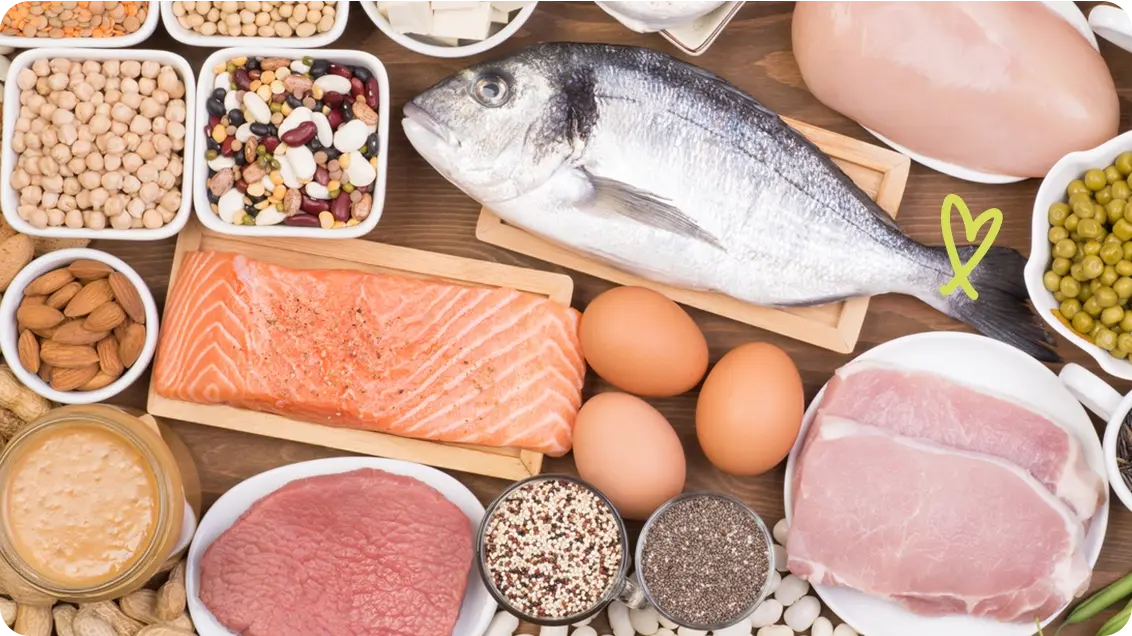
Here are some zinc rich foods:
- Fish & seafood - especially shellfish like oysters & prawns
- Lean beef or lamb
- Poultry like chicken or turkey (skinless)
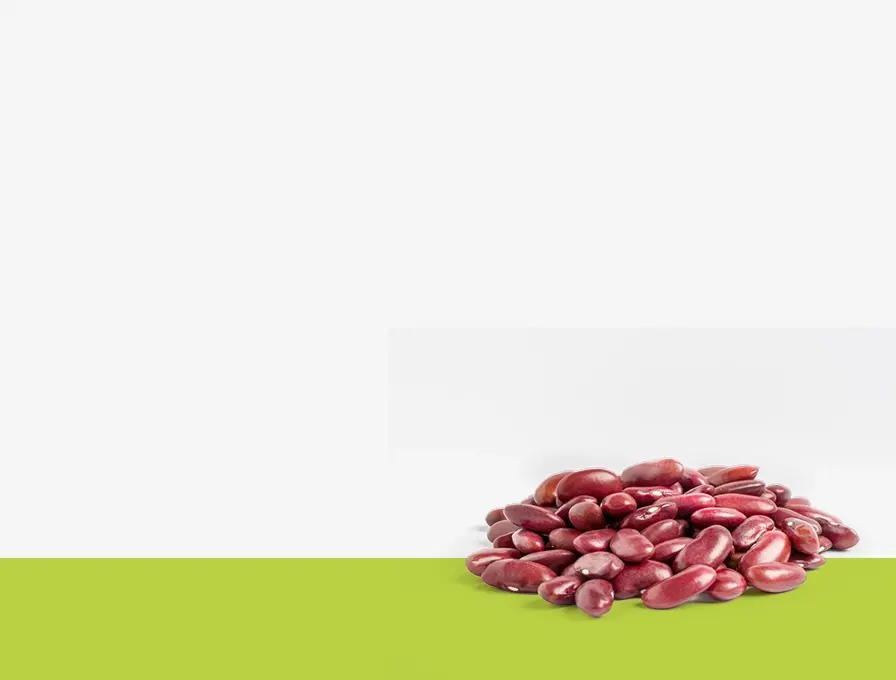
- Legumes & beans - chickpeas, kidney beans, lentils, split peas
- Eggs
- Nuts & seeds
Go easy on alcohol
Whilst an occasional alcoholic drink is not likely to have a major impact on fertility, heavy drinking may reduce sperm quality and testosterone (impacting sexual performance). It is generally recommended to reduce or eliminate alcohol for at least 3 months before trying for a baby. You can learn more about alcohol, smoking and drugs and their impact on sperm health at the Healthy Male Project.
Sadly, a lot of alternatives to alcoholic drinks like soft drinks or sugar-free alternatives have also been shown to have a negative impact on male fertility when consumed regularly. So, stick to water or sparkling water at your next party.



Nuts for nuts!
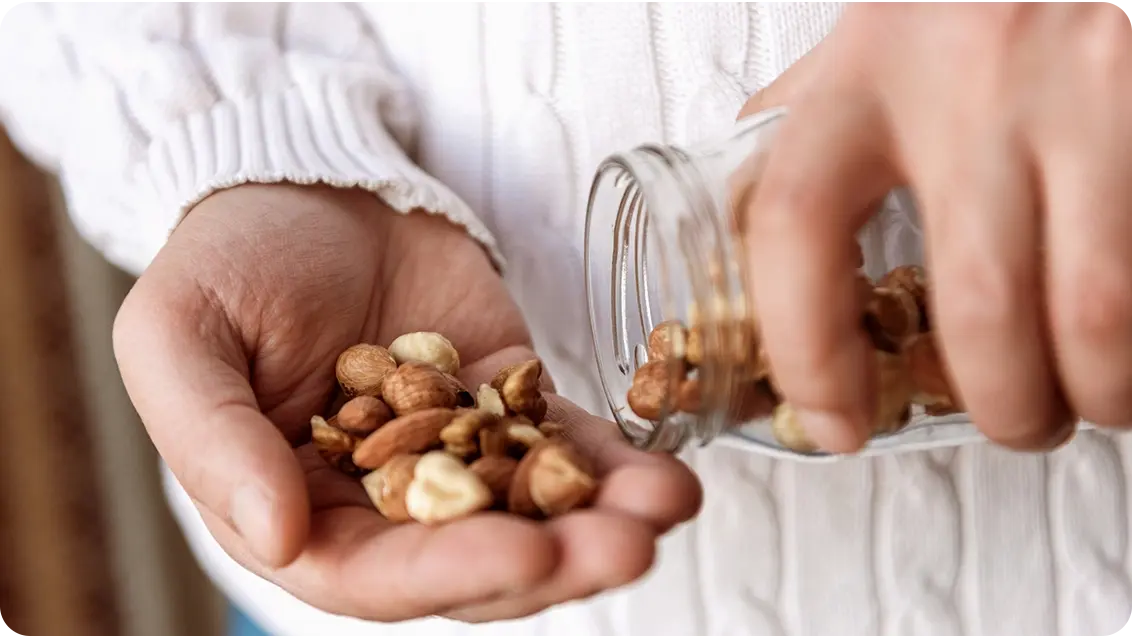
Nuts and seeds are rich in healthy unsaturated fats, and a variety of vitamins and minerals including zinc, selenium, plant-based iron to name just a few! Interesting research has shown that incorporating walnuts daily, may help improve sperm health (and that was without any other dietary or lifestyle changes!).
Expert fertility dietitian, Stefanie Valakas, recommends incorporating a handful of walnuts and 1 Brazil nut each day to help meet selenium targets, a key antioxidant and mineral that helps support optimal thyroid health & sperm function too!
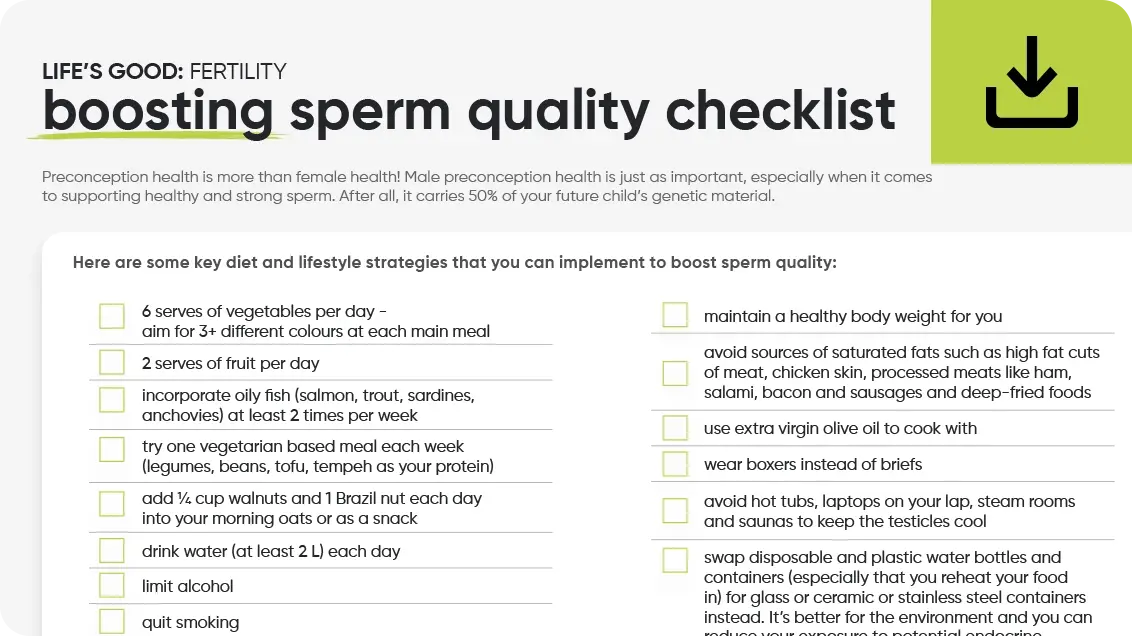
Sperm quality checklist
Preconception health is more than female health! Use this sperm quality checklist for key diet and lifestyle strategies that you can implement to help boost sperm quality.
Cool as a cucumber
Whilst it’s not a nutrition tip, it is important to keep the testicles cool! Sperm may be sensitive to high temperatures as the testes need to be slightly cooler than the body to help make good quality sperm!
Here are some key strategies to keep sperm at a healthier temperature:
- Avoid resting your laptop on your lap
- Avoid saunas, hot tubs and steam rooms
- Avoid very long periods of time riding on a bicycle
- Wear boxers instead of briefs (yes, this has been studied before!)
Snacks
Choose fresh fruit & a small handful of walnuts (¼-⅓ cup) for a combination of vitamin C, folate and healthy fats to help support sperm health!
Vego!
Studies show that embracing plant-based proteins like legumes and beans (think lentil bolognese or chickpea curry) may help support fertility.
Drinks
Reduce alcohol for a fruit-infused sparkling water or an occasional non-alcoholic drink instead.

Additional Resources
Find out more about how you can improve your health & wellbeing prior to conceiving as a male at the Healthy Male Project.
Keep an eye on your inbox
You're getting there! Stay tuned for:
- Understanding why ovulation is the “main event” of each menstrual cycle and how to spot it.
- Nourishing your body to help support regular ovulation.
- Help to support implantation through food.