


Focus on fertility | Track and optimise ovulation
how to help optimise ovulation
You may have heard of ovulation previously in your health class at school. Today, we will discuss it in more detail and give it the attention it deserves!


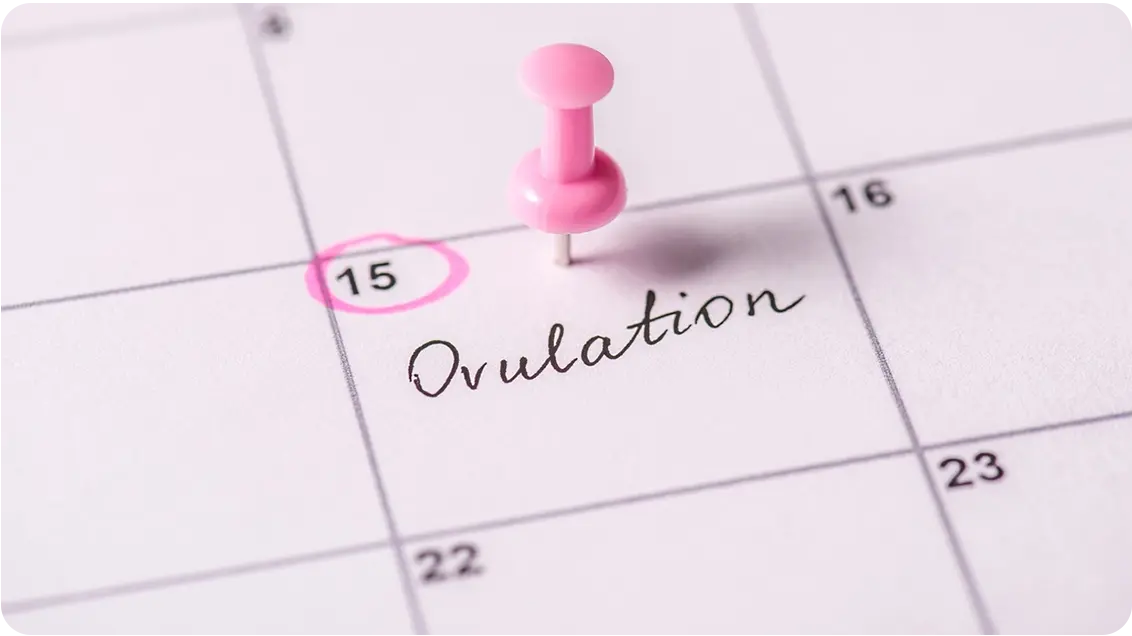
Ovulation is the “main event” in your menstrual cycle. Remember, your menstrual cycle spans the first day of menstrual bleeding (your period) to the next first day of your next period.
Ovulation is the process of the egg being released from the ovary towards the fallopian tube, it has about 12-24 hours to be fertilised by sperm. So, there’s a window of only a few days each menstrual cycle to potentially conceive!
The menstrual cycle
Everybody ovulates at a slightly different time, but in general, ovulation occurs 14 or so days before your period. Remember, your body is unique! If you’re having trouble making sense of your menstrual cycle, first keep track of your periods and speak to your doctor.
Download this diagram to see what’s going on during the menstrual cycle.
Did you know?
An egg lives for about 12 to 24 hours after ovulation!


How do you know when ovulation occurs?
During your 3 month preconception preparation, it’s a good idea to get familiar with your menstrual cycle and when ovulation is occuring so you have less stress when you do start trying to conceive. It may also help identify any concerns with your cycle or ovulation early so you can take this information to your doctor.

There are a variety of ways you can track ovulation, it is just about finding what works for you! In most cases, you should discuss with your healthcare professional to ensure you select the right products and use the ones that are right for you.
- Basal Body Temperature (BBT): involves measuring your body temperature with a thermometer immediately upon waking each day. By tracking your temperature each day across your menstrual cycle you may notice a small but sustained rise in body temperature of about 0.5 to 1.0 degree celsius after you ovulate. This is a good sign that you have ovulated, note this gives you retrospective information about ovulation. Doing this regularly may help you estimate the time of ovulation and time sexual intercourse for conception in future cycles.
- Ovulation Prediction Kits (OPKs) look a lot like pregnancy tests, however, instead of detecting the pregnancy hormone, hCG in the urine, these urine strips actually detect Luteinizing Hormone (LH) which peaks just before the egg is released. This typically requires regular to daily tests to be taken in the lead up to ovulation.
- Cervical Mucus Monitoring: that’s right, the vaginal discharge on your underwear is trying to tell you something! An egg white consistency of vaginal discharge which is stretchy between your fingers is usually an indicator that ovulation is occurring very soon. This method is usually combined with one or more other methods - typically BBT or using OPKs. Learn more about tracking cervical mucus here.
Please note, for some people, tracking ovulation may be a really empowering practice and a process of understanding their bodies and cycle. For others, it may feel overwhelming and contribute to stress levels (which is certainly counterproductive), so it is important to work out what is right for you alongside your health care team.

How can I eat to help support regular ovulation?
There are many factors that may impact regular ovulation, including:
- Diet
- Physical activity levels
- Stress
- Illness - for example, catching a cold or flu
- Travel and jet lag
- Inadequate sleep
- Weight status - specifically body fat levels being above or below a healthy range
- Medical history


Today, we will focus on diet and ovulation. There are a few key nutrition strategies to may help support regular ovulation, including:
- Eating enough & regularly: focus on three balanced meals each day containing a source of protein (meat, poultry, fish, eggs, tofu, legumes and beans), colourful vegetables and a source of carbohydrates (wholegrains like brown rice, quinoa, wholegrain bread, wholemeal pasta or starchy vegetables like sweet potato, potato or corn) and healthy fats (avocado, nuts, seeds, extra virgin olive oil).
- 1-3 snacks in between meals is a good starting point. You may need more or less depending on your lifestyle; this should be discussed with your healthcare professional.
- Including healthy fats at each main meal: all reproductive hormones are made from fats which are essential in our diet. Incorporate a source of healthy fats like avocado, nuts, seeds, extra virgin olive oil or whole olives into each main meal to ensure your body has enough of these essential ingredients to build important hormones to help keep ovulation regular.
- Prioritise slow-release (low glycaemic index) carbohydrates: carbohydrates that are broken down more slowly in the body means they keep you feeling fuller for longer, and help your blood glucose levels stay balanced, important to help support regular ovulation. Try incorporating sweet potato, low GI wholegrain breads, brown or Basmati rice, and dairy foods like full-cream milk and yoghurt to help keep your body fuelled, and ovulating regularly!
Expert tips to support ovulation
So, now we have looked at a few of the dietary elements that can support ovulation. Here is what we recommend from here:
Prep a snack
Pack a handful of nuts & seeds or a nut bar in your bag for an easy snack-on-the-go, rich in healthy fats!
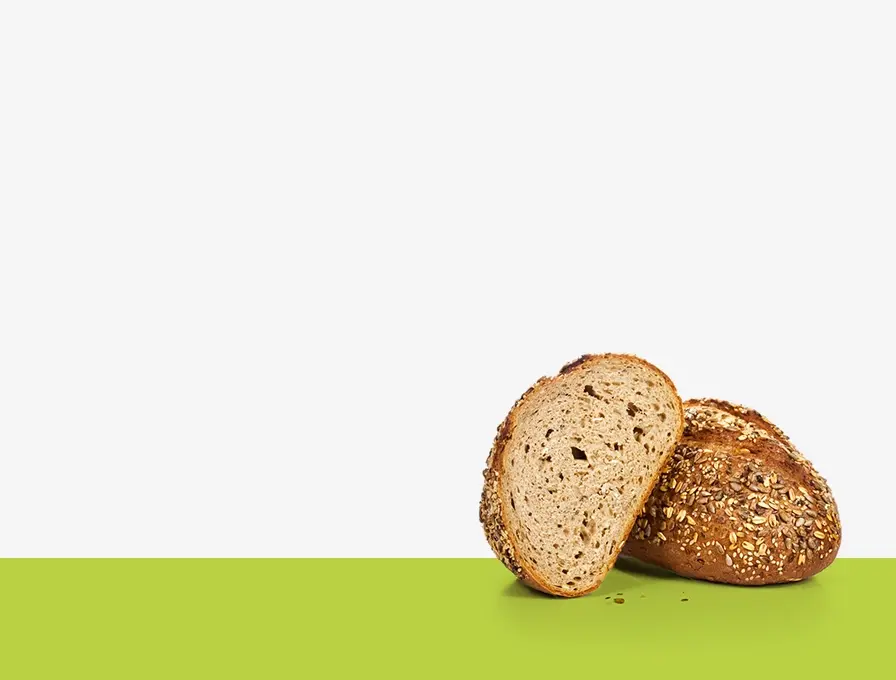
Look for the wholegrain
choosing whole grain breads, oats, bran-based cereals, wholemeal pasta, brown rice, quinoa, popcorn for slow-release carbohydrates, fibre and important B vitamins.
Seek support
Trying to work out when you are ovulating but having trouble identifying your fertile window? Head to your medical professional to discuss further.

Additional Resources
- To learn more about ovulation and conception, check out The Royal Women’s Hospital resources here.
- Use the ovulation calculator for an estimate of when you could be ovulating.
- Learn more about a low Glycaemic Index (GI) diet and foods here.
- Learn more about choosing wholegrains.