


Can lectins impact your gut?
Sometimes referred to as “anti-nutrients” lectins have been in the spotlight of late. Much of the attention has been around how they may impact gut health. Let’s take a closer look at this popular food component and see what science tells us.
What are lectins?
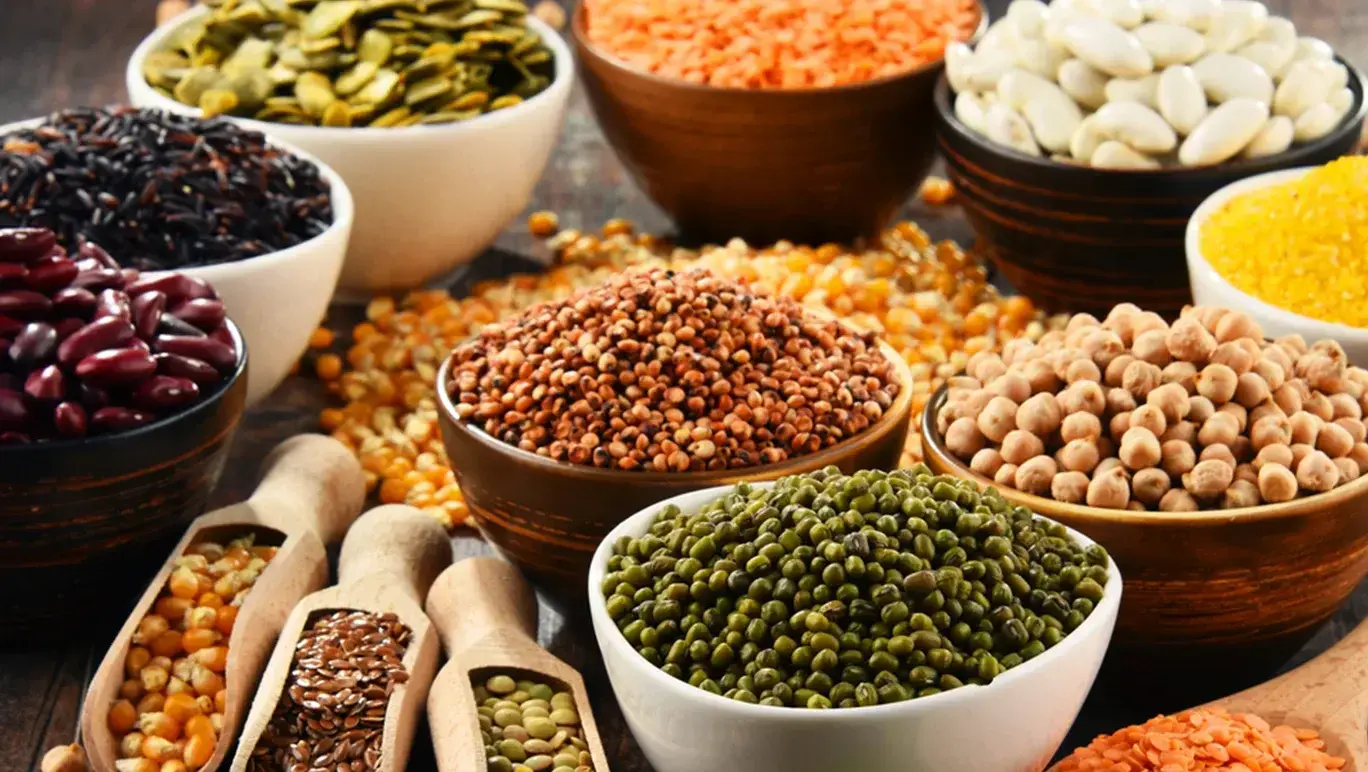
Lectins are a type of protein found in small amounts in many plant foods. Most of the conversation regarding lectins is around those found in dried legumes like beans and peas due to a higher lectin content in their dry form.
Studies suggest that most lectins are resistant to the enzymes in our digestive tract.
How do lectins impact gut health?
There is a small body of research in animals where isolated lectins (rather than from foods) were administered to rats. Studies found that this led to damage in the gut lining of rats and interfered with absorption of nutrients. It is not appropriate to apply these findings to humans as they are not reflective of how we eat whole foods in real life.
Conversely, research has shown that a plant-based diet (which contains lectins) has been linked with a healthy gut microbiome due to the many health promoting properties such as fiber, antioxidants, vitamins, minerals and polyphenols.
It’s important to note that most of these foods with high lectin content are usually soaked and cooked before eating (for example, kidney beans, chickpeas). These food preparation techniques reduce the lectins and other compounds like phytates which as a result, helps to improve nutrient absorption.
Where might you find Lectins?
Lectins can be found in many plant foods, in varying amounts. This includes legumes, wholegrains, seeds, nuts and much lower amounts in fruits and vegetables. Raw legumes like chickpeas, fava beans, soybeans, lentils, and wholegrains like wheat have higher amounts of lectins.
Are lectins good or bad for you?
There is a wealth of high quality research demonstrating that lectin-containing foods such as legumes and wholegrains are associated with numerous health benefits such as general health and wellbeing, lower risk of mortality, lower risk of heart disease, reduced inflammation and better gut health in the context of a varied and balanced plant-based diet.
What’s more, legumes and beans are a nutritious and budget friendly source of protein, which is particularly helpful with the rising cost of food.
It’s important to note that most of the research around the harmful effects of lectins have been conducted in animals where the dosage and form of lectins is not reflective of human consumption. It is also not appropriate to make research conclusions for humans based on animal studies. There is limited human research to draw on so we’ll watch this space until more research emerges.
Bottom line: There is a vast amount of research in humans that suggest lectin-containing plant foods are sources of many health-promoting nutrients and are associated with numerous health benefits. Until there is more research around lectins in humans, the benefits far outweigh any potential negatives of lectins. For now, there’s no need to go on a lectin-free diet, unless you have particular health needs as directed by your healthcare professional. Just make sure you soak and cook your legumes properly.
Reviewed by healthylife health experts May 2023.
Related reads











This article is for informational purposes only and does not provide medical advice, diagnosis, or treatment. Any information published on this website or by this brand is not intended as a substitute for medical advice. If you have any concerns or questions about your health you should consult with a health professional.