


How diet might help your bladder and incontinence

Have you ever found yourself "mapping out" every public toilet before you leave the house? That sudden, heart-sinking realisation that a bathroom isn't nearby is a stress none of us want to carry. Whether it is a sudden, intense urge or the frustration of "little leaks," these moments can make us feel like we can’t do some of the things we love.
If this sounds familiar, you’re not alone. In fact, Continence Australia tells us that:
- 1 in 3 people in Australia over 15 years old experience incontinence. That’s more than 7.2 million people.
- Almost 4 in 10 women and 2 in 10 men in Australia experience incontinence.
- 7 in 10 people with incontinence are younger than 65 years and the average age of people experiencing incontinence in Australia is 51 years.
- 9 in 10 people who experience incontinence live independently in the community.
There are different types of incontinence:
- Urinary incontinence (wee leakage)
- Bowel incontinence (poo leakage).
- Both urinary (wee) and bowel (poo) incontinence.
While we talk about strengthening specific muscles like our pelvic floor to help with continence, what’s less talked about is how our diet might help and hinder too.
How diet plays a role
What we eat and drink can influence our bowel habits and urination. The good thing is we can modify these to support ‘healthy’ continence. Keeping ourselves hydrated, looking at timing of fluid and having enough fibre in our diet are key dietary principles to support both bowel and urinary continence.
Does gut health play a role?
Our gut microbiome, the trillions of bacteria living in our digestive tract, can influence our bowel regularity. What is less known is they can influence how often we urinate also. A 2022 study published in International Urology and Nephrology found a direct link between harmful gut bacteria and the progression of urinary urgency and urge incontinence.
When our gut microbiome is imbalanced, it can negatively impact the urinary microbiome, increasing bladder sensitivity. This "gut-bladder axis" reminds us that a disturbance in our digestive health can manifest as a urinary symptom.
Foods for bladder and bowel control
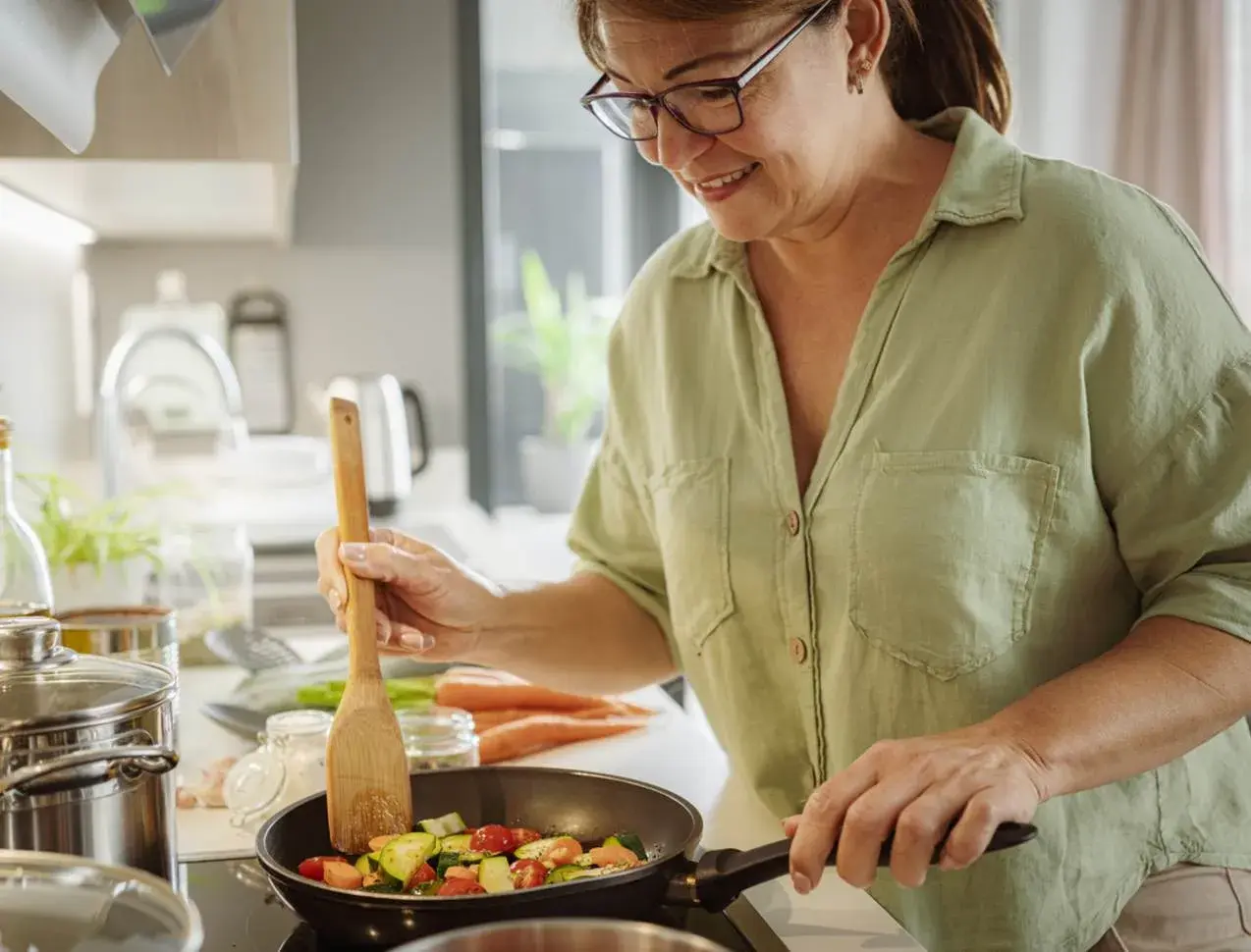
Eating a range of plants is key to help reduce the risk of urinary incontinence as well as supporting bowel movements. By increasing the variety of plant foods in your diet, you’re getting a range of different fibres, including prebiotic fibre. These feed your good gut bacteria, keeping your digestive system balanced and healthy.
Aim for around 30 different plant foods per week to ensure you’re getting a wide range of different plant fibres for your gut. This can be a mix of fruit, vegetables, grains, cereals, legumes, nuts, seeds and even fungi like mushrooms.
Fibre can also soften stools, bulk stools and in general keep things moving along, which plant foods provide. If you suffer from constipation, it can often be due to a lack of fibre and fluid, which may put pressure on the bladder and worsen urinary symptoms. Just remember: adding more fibre into your diet means you need to drink more water! Because fibre acts like a sponge, skipping the extra fluid can cause a backup and make constipation worse.
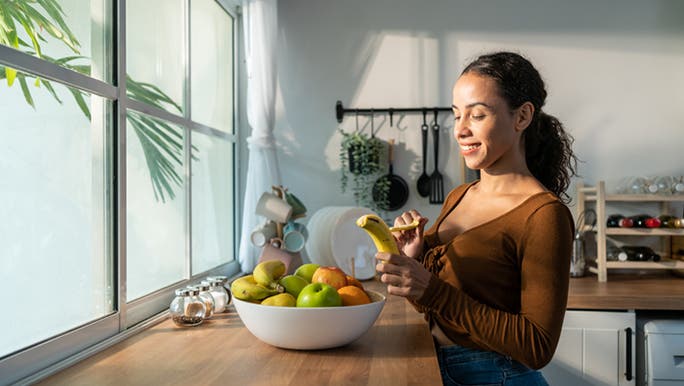
Some fruits are particularly good for bowel regularity such as;
- Kiwifruits: research suggests two kiwifruits a day helps to support bowel movements. Plus, keeping the skin on adds more fibre.
- Prunes and pears: naturally high in a sugar alcohol, sorbitol, which helps draw water into the bowel to soften stools, along with fibre.
- Chia seeds: absorb water to form a gel and can help to soften stools.
Drinking enough water is critical too. When you don't drink enough, your urine becomes highly concentrated. This strong urine irritates your bladder lining, making those sudden urges feel much more intense and increasing your risk of an infection.
Food and drinks to avoid
As the bladder controls fluids filtered by your kidneys, it makes sense that what you drink can influence urinary continence.
Carbonated and artificially sweetened drinks
While there is talk about how carbonated and artificially sweetened drinks could cause irritation to the bladder and may trigger lower urinary tract symptoms such as urgency, the scientific evidence is limited.
One study found that people who drank more than one artificially sweetened drink a day were 10% more likely to report mixed urinary incontinence than those who rarely drank them. Although this doesn't mean these drinks cause bladder leaks, swapping them for water is a simple change that can benefit your overall health.
Caffeinated drinks
Caffeine is a mild diuretic, meaning that in larger amounts (around 250 to 500 mg, or about 3 cups of coffee or 5 to 8 cups of tea), it can cause your kidneys to produce more urine.
It may also increase the urge to urinate and make you feel like you need to go more often, particularly if you don't regularly consume caffeinated drinks. If you notice caffeine worsens your symptoms, try swapping to herbal tea, warm milk or water instead.
Alcohol
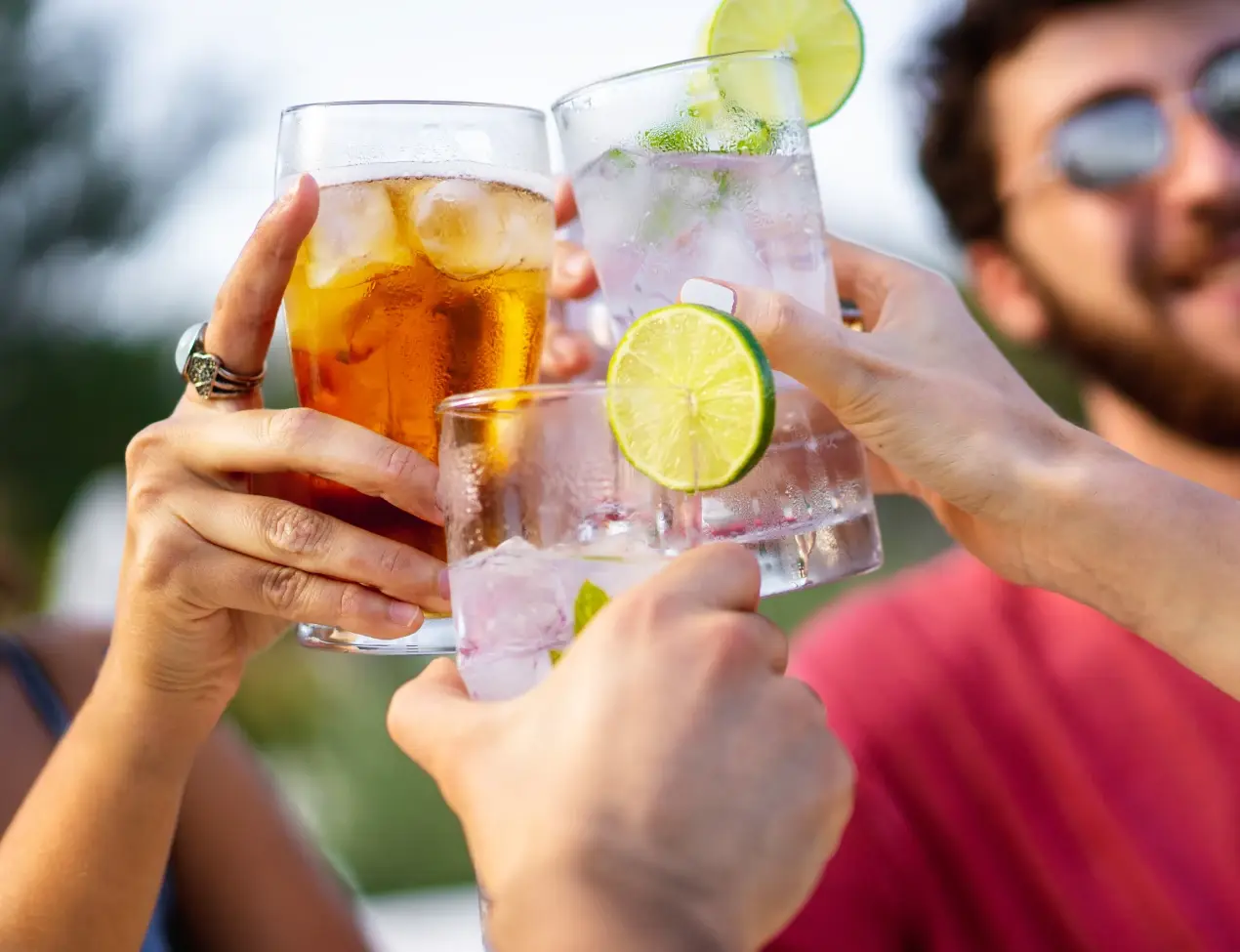
Alcohol can make you produce more urine and may worsen bladder symptoms, such as needing to go more often or feeling a sudden urge to urinate. If you choose to drink alcohol, try keeping intake moderate and alternating alcoholic drinks with water or other non-alcoholic options to support hydration.
When it comes to bladder health, finding the right balance is key. While it may be tempting to reduce your fluid intake to avoid frequent trips to the toilet or leaks, drinking too little can actually make symptoms worse and contribute to issues like constipation, low blood pressure and tiredness. Instead, aim to drink enough water throughout the day, spreading your intake out evenly and keeping caffeinated drinks earlier in the day where possible.
How do I know what is making symptoms worse?
Keeping a bladder journal or a bladder diary can help you identify what food or drink might be associated with your bladder or bowel incontinence challenges. By tracking what you eat alongside your symptoms, you can identify if your morning coffee or afternoon diet soft drink is the hidden cause of your urgency.
When to speak to a healthcare professional
If involuntary leakage or loss of bladder or bowel control causes discomfort and is impacting your daily life, know that you don’t have to put up with it. There may be solutions to help reduce these symptoms. The best place to start is speaking with your health professional. For example, if you’re getting up to go to the toilet more than once a night on a regular basis this is something to talk to your doctor about.
The bottom line
Incontinence can be a part of life for many people at different stages, from children experiencing bed wetting, to women navigating pregnancy, the postnatal period, perimenopause and menopause, and men experiencing changes such as an enlarged prostate.
While bladder and bowel changes can feel challenging, understanding your symptoms and having the right support and strategies can make a big difference. With a little planning, it’s possible to manage incontinence and continue doing the things you enjoy, whether you’re at home, at work or out and about.
Help is just a phone call away. Access free, confidential support from experienced nurse continence specialists through the National Continence Helpline.
Reviewed by Healthylife health experts August 2026
Related reads






This article is for informational purposes only and does not provide medical advice, diagnosis, or treatment. Any information published on this website or by this brand is not intended as a substitute for medical advice. If you have any concerns or questions about your health you should consult with a health professional.
About this article

Simone Austin
Simone Austin is an Advanced Sports Dietitian, author of Eat Like An Athlete and past President of Sports Dietitians Australia. She has worked with some of Australia’s top sports teams over her 25+ year career.