


How to take care of the skin on your face

Everyone’s skin is unique. We all have different skin tones and types, and we’re exposed to different environments, products and diets.
This means that there’s no one-size-fits-all way to look after your skin so you can look and feel your best.
Even on your own body, different parts of your skin need different attention. The products you might use to look after your hands won’t be right to use on your face. Even on your face, the skin around your eyes can benefit from different care.
So we asked Consultant Dermatologist Dr Shreya Andric about the most common causes of skin damage, and what she recommends for looking after different skin types.
Common causes of skin damage
“Whatever type of skin you have,” says Dr Shreya, “it’s susceptible to damage from many sources.”
Here are her top 3 damage culprits and her suggestions for how to prevent that damage.
UV light
Dr Shreya says that one of the greatest sources of skin damage for all skin types is the UV light from the sun. And it’s not just direct sunlight that poses a danger.
“No matter what type of skin you have,” she says, “you need to use sunscreen with an SPF of at least 30 every day. And you need to apply it every 2-3 hours, and every time you go outside.”
Smoking
We all know smoking is linked to lung disease. But cigarettes have also been found to affect your body’s ability to produce certain types of collagen: a protein that gives skin strength and elasticity.
If you’re finding it hard to quit, explore our suggestions for creating habits you can actually stick to. Or, alternatively, contact Quitline in your state or talk to your doctor. Either option can suggest many ways to help.
Your skin (and lungs) will thank you for it!
Poor diet
We all like to indulge in a few sweet treats occasionally. Unfortunately, studies have shown that a diet rich in fatty, sugary foods and drinks can contribute to adult acne. It can also increase the signs of ageing in your skin.
Better skin requires eating a healthy, balanced diet that provides the nutrients you need to produce keratin: a vital protein that gives skin strength and structure. Discover the top 10 foods for healthy skin that can help you increase your keratin levels and clear up your skin to get that healthy glow.

Cleansing oily skin at night as well as in the morning will help to control the oil.
Taking care of your skin
Different skin types need different approaches. Dr Shreya says, “It’s important to get to know your skin so that you can tailor your skincare routine to it.”
Here are Dr Shreya's recommendations on how to take care of the most common skin types.
Oily Skin
To take care of naturally oily skin, daily cleansing is essential. Dr Shreya recommends choosing a cleanser with salicylic acid to help clear away the dead skin cells and excess sebum that can clog your pores. Cleansing oily skin at night as well as in the morning will help to control the oil.
And don’t think that because your skin is oily, you don’t need a moisturiser. Moisturising is still an important step – you just need to use a lightweight, oil-free product.
Dry Skin
Daily care for dry skin still needs to involve cleansing. However, over-washing the skin on your face will strip away all of its protective natural oils, which is the last thing dry skin needs.
To avoid this, Dr Shreya suggests using lukewarm water when you wash, and avoiding any harsh scrubbing actions that could damage your skin further. “Then concentrate on products with ingredients to help retain moisture, such as lanolin and paraffin,” she adds.
Combination Skin
If you have combination skin, some areas are dry and some are oily. This may mean you need different products for the different areas.
Dr Shreya’s advice is to use light-weight products for your oily sections, and add in extra products to retain moisture on the dry areas.
Mature Skin
Cell production slows down as we age, so the skin on our faces tends to get drier and thinner. Taking care of mature skin often involves using a serum, as your skin absorbs the smaller molecules in a serum more easily.
There are different types of serum for different skin types, and some can help with fine lines and firmness.
Sensitive skin
There are several reasons for the skin on your face to be sensitive. Dr Shreya says that sometimes, taking care of sensitive skin could be as simple as using products without fragrances or harsh chemicals.
For more significant sensitivities, however, it’s best to get professional help to avoid any serious damage. And if a product makes your skin flaky, red or swollen, or you develop a rash, stop using that product immediately and speak to your GP or dermatologist.
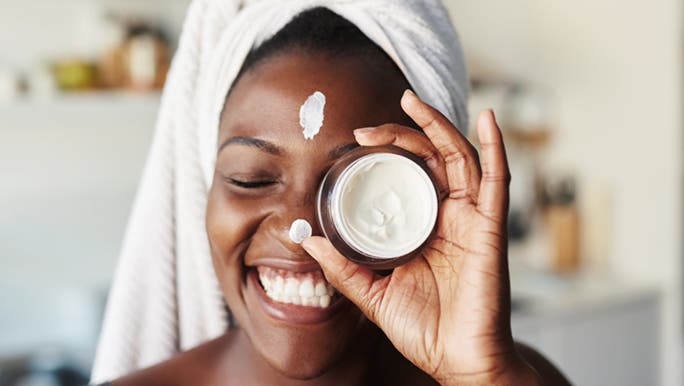
Dr Shreya says, “it’s important to get to know your skin so that you can tailor your skincare routine to it.”
You deserve your own glow
If you’ve been using the right products for your skin type but still have issues, it might be time to seek support from your GP or a dermatologist. They can help with either prescription treatments, deeper cleaning or extractions. A dermatologist can also check whether the products you’re using might be making the issue worse.
It’s important to remember that all skin is different. Products that might be right for one person won't necessarily be right for someone else. Understanding your skin type, using sunscreen and eating a healthy diet will help you to have that healthy glowing skin you deserve.
Related:
- How to help fix damaged hair (and get the healthy, shiny locks you’ve always dreamed of)
- How to help your teenager to get clear skin
- Why is sleep important and what are the benefits?
Dr Shreya Andric is a Fellow of the Australian College of Dermatologists with a wide breadth of general dermatology knowledge as well as specialist interest in areas of cosmetic dermatology, paediatric dermatology and genital dermatology, among others.
Reviewed by the healthylife Advisory Board June 2021
Related reads












This article is for informational purposes only and does not provide medical advice, diagnosis, or treatment. Any information published on this website or by this brand is not intended as a substitute for medical advice. If you have any concerns or questions about your health you should consult with a health professional.