


Support your immune system with these immunity juices

Key Points
- Research shows that juicing may help to reduce inflammation within the body and help to support your immune system.
- Consuming more fruit and veggies may protect against rhinitis and support general respiratory function.
- Juicing removes healthy fibre, which aids digestion, so moderation is key.
Juice is a quick, easy and delicious way to add extra fruit and veggies to your day, but how beneficial is it really?
Whether you’re prepping for a workout at the gym, enriching your child's diet or refuelling on the run, research shows that increasing fruit and veggie intake via convenient juices may support your immune system.
Here, we explore how immunity juices may influence your wellbeing. Plus we have a selection of flavourful combinations you can try at home.
How do immunity juices help support the immune system?
Immunity juices made with fresh fruits and vegetables are a concentrated source of essential nutrients, vitamins, minerals, bioactive ingredients and antioxidants delivered in a convenient (and delicious!) form.
By juicing a variant of certain fruits and vegetables – including citrus fruits - it may make it easier to consume more nutrients in a single serving.
Fruits and vegetables are a rich dietary source of vitamins, minerals and antioxidants to support the immune system as well as fibre, which is important for gut health. They also contain folate, vitamins and non-nutrient phytochemicals (including carotenoids and flavonoids) that may promote cellular growth, help to reduce inflammation and support optimal immune system functioning.
Why does this matter?
Inflammation is a natural defence mechanism that protects our bodies against injury, but elevated or persistent inflammation is associated with an increased risk of chronic disease. Thankfully, studies show that consuming a diet rich in fruits and vegetables may help to mitigate inflammation.
Evidence also shows that consuming more fruit and veggies can protect against rhinitis and support general respiratory function. Several studies reported lower rates of wheezing and allergic rhinitis when consuming antioxidant-rich foods (like berries and leafy greens) daily.
As you can see, there are many reasons why whizzing together your favourite fruits and veggies may support overall health and wellbeing.
What are the best juices for your immune system?
When creating healthy immunity juices, the options are as endless as your imagination. A good rule of thumb is to mix fruit and vegetables of different colours to ensure you’re getting a balance of vital vitamins and minerals and meet your recommended serves of vegetables and fruit.
Tip: keep the skin on when possible – the peel is packed with nutrients and will help you on your way to building a stronger immune system.
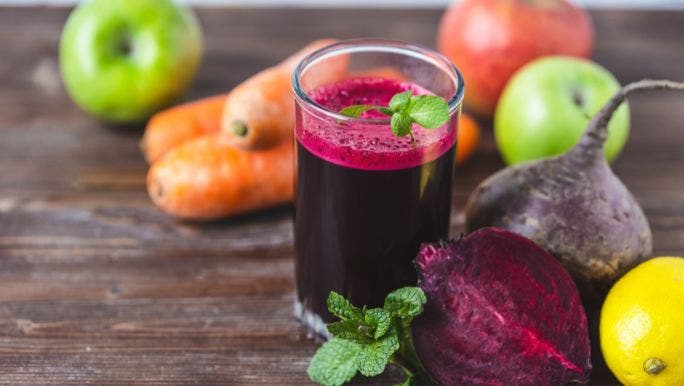
Apple, carrot, beetroot and ginger juice is a zesty combination
Apple, carrot, beetroot and ginger juice
This vibrant and zesty blend combines a powerhouse of nutrients, including vitamins A, C, B-6, B-9, potassium, iron and magnesium.
- 1 medium beetroot
- 1 medium apple
- 1 tablespoon of fresh ginger
- 3 carrots

Orange, grapefruit, lemon and celery juice is a tangy immunity juice high in vitamin C
Orange, grapefruit, lemon and celery juice
A tangy and tasteful combination packs a punch of vitamin C plus vitamins A, B-6, B-9, potassium and zinc.
- 1 orange
- 1 grapefruit
- 1 lemon
- 1 stick of celery
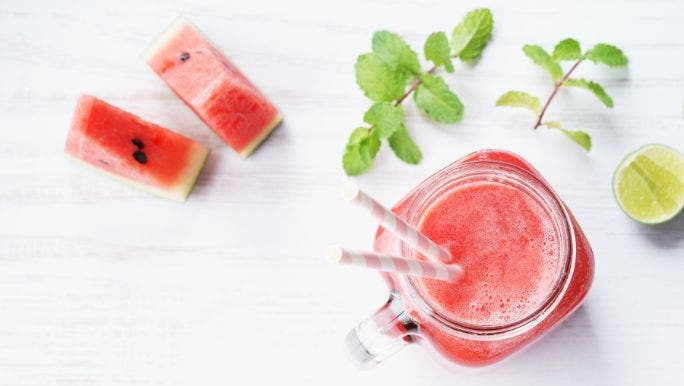
Watermelon and mint juice is a summer party classic
Watermelon and mint juice
A summer-time classic for a special occasion, loaded with vitamins A, C and magnesium, plus amino acids citrulline and arginine. Serves 2.
- 4 cups watermelon
- 10 mint leaves
- 1 lime (optional)
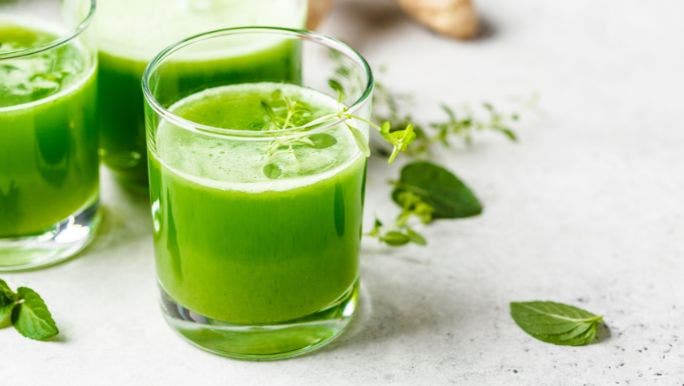
Green apple, celery, spinach and ginger juice is a refreshing and nutritious combination
Green apple, celery, spinach and ginger juice
A daily dose of greens containing vitamins K, C, A, B-6, B-9, potassium and magnesium.
- 1 green apple
- 2 stalks celery
- 1 cup spinach
- 1 tablespoon fresh ginger

Pineapple, ginger and turmeric juice has a sweet and zingy flavour
Pineapple, ginger, turmeric and carrot juice
A sweet and slightly zingy juice containing vitamins C, B-6, B-1, magnesium and flavonoids.
- 2 cups pineapple
- 1 tablespoon fresh ginger
- 1 teaspoon ground turmeric
- 1 carrot
What you need to know before you start juicing
While immunity juices offer a convenient way to load up on essential nutrients, it’s important to be mindful of the following:
Juicing is a good addition, not a substitute
Juicing removes much of the fibre present within whole fruits and vegetables. Fibre aids digestion and keeps your blood sugar steady, so if you rely solely on juices, you may not get enough dietary fibre.
Juice can be high in sugar
Some fruit juices can be high in natural (or free) sugars, which, when consumed in excess, may increase your energy intake and spike blood sugar levels. Frequent consumption of fruit juice may also affect dental health due to the sugar, so it’s important to keep this in mind. Aim to balance sweet and savoury juice combinations, don’t be shy on adding the vegetables and consume them in moderation.
Cold-pressed juice isn't better for you
Despite what some might say, research shows that cold-pressed juice isn’t higher in antioxidants, so feel free to use a regular centrifugal juicer.
Look elsewhere for vitamin D
Fruits and veggies are low in vitamin D, so why not add milk to make a smoothie? Alternatively, try adding a supplement or some good ol’ sunshine to your daily routine if you need to top up your stores.
Opt for fresh juice over packaged options
Packaged juices undergo boiling during pasteurisation, which may dissolve vitamin C levels and reduce their nutrient value. Whenever possible, opt for homemade or freshly pressed juices from reputable sources to create the best juice for your immune system.
Pay attention to serving sizes
One serve of fruit is half a cup of fruit juice (yes, 125ml) according to the Australian Dietary Guidelines. Considering most of us need no more than two serves of fruit per day, it’s easy to meet this when juicing. Another good reason to add the veggies.
When life gives you lemons...
Make a freshly squeezed juice to supplement your nutrient intake and support your immune system, but remember that moderation and variety are key – and don’t forget the vegetables!
Related:
- What are the best vitamins for tiredness and lack of energy?
- What is the best fruit for gut health?
- How to stop feeling tired after eating
Reviewed by Healthylife health experts October 2023
Related reads











This article is for informational purposes only and does not provide medical advice, diagnosis or treatment. Any information published on this website or by this brand is not intended as a substitute for medical advice. If you have any concerns or questions about your health, you should consult with a health professional.