


Your expert guide to lightweight skincare for spring and summer
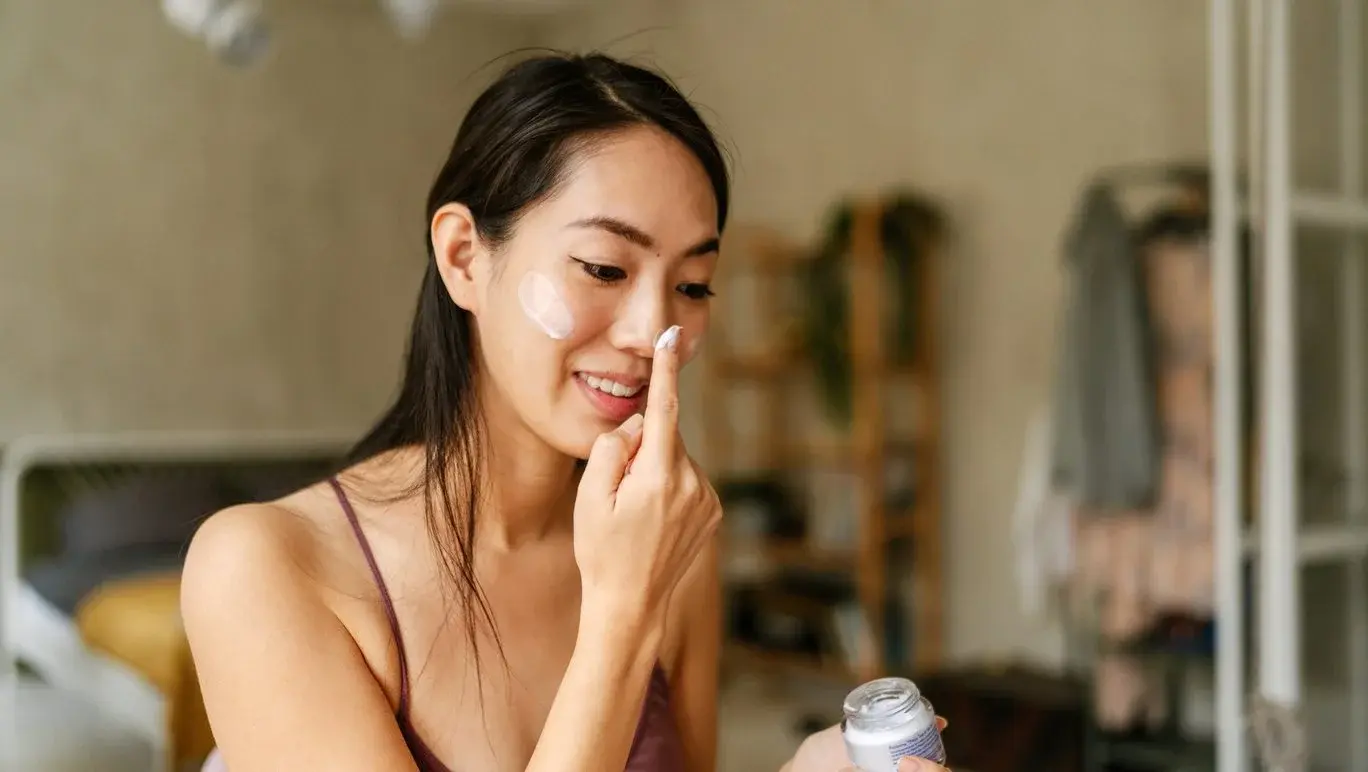
As the weather warms up, your skin is ready to come out of hibernation. The shift from winter to spring and summer brings changes in humidity, temperature, and UV exposure that all affect how your skin behaves. During the cooler months, most people rely on richer creams to combat dryness. But as humidity rises, those same products can start to feel too heavy or even clog pores. Spring through to summer is the perfect time to switch to lighter, breathable textures that still nourish and protect the skin barrier.
Why skin needs a seasonal switch
1. The oily skin factor
When the weather heats up, the skin naturally produces more of its own oils. Which means those rich, occlusive creams that felt comforting in cooler months can now leave the skin feeling congested or greasy. Swapping to lighter lotions, gels or fluid creams can help to maintain hydration without overloading the skin. Check out our top lightweight moisturisers below.
2. More sun, more oxidative stress
Longer days and more time spent outdoors, means greater sun exposure, which can accelerate pigmentation and collagen breakdown. This is the time to focus on antioxidants, both in your diet and your skincare to help neutralise free radicals and support brighter, stronger skin. Daily SPF is also a must, even on cloudy days.
3. Rebalancing the barrier
After months of cold air and heating, the skin barrier often needs help recalibrating. Gentle exfoliation can remove dull winter buildup, while lightweight hydrators and calming botanicals restore balance and keep the skin supple without overwhelming it.
Naturopathic skin health tips for spring & summer
- Feed your skin from within. Brightly coloured fruit and vegetables supply antioxidants that fight free radical damage, while omega-3 rich foods like chia, flaxseed and oily fish support hydration and elasticity.
- Stay hydrated. As temperatures rise, skin loses more water to the environment. To help with hydration, increase water intake, herbal teas (add ice to drink them cold), and water-rich foods like cucumber and citrus. Choose skincare with water attracting qualities like glycerin or aloe vera.
- Don’t skip SPF. Sun protection is the most effective anti-ageing step you can take. A daily broad-spectrum sunscreen should sit on top of your skincare, rain or shine.
- Adjust gradually. Give your skin time to adapt to lighter products and increased UV exposure. Introduce new moisturisers or active serums one at a time, and watch for how your skin responds over a few weeks.
Cleansers: Keep it light but effective
A good cleanser sets the foundation for healthy skin, especially when sweat, sunscreen, and environmental buildup increase in the warmer months. Look for cleansers that effectively remove dirt, makeup and sunscreen, while keeping the skin barrier intact.
Try these seasonal favourites:
- Edible Beauty No. 1 Belle Frais Cleansing Milk
A low-tox, gentle milk cleanser that melts away makeup and sunscreen while soothing and protecting the skin barrier, ideal for normal to dry skin. - Simple As That Cleanser
A simple, no-fuss, natural cleanser that balances skin without stripping the skin barrier. Great for combination or normal skin types. Plus it's perfect for those looking for cleaner products, on a budget. - La Mav Sweet Orange Foaming Cleanser 100 mL
A refreshing foaming cleanser with citrus botanicals that help lift excess oil and clear pores, perfect for oily or combination skin. - MooGoo Nourishing Deep Pore Oil Cleanser 100 mL
Don’t be afraid of oil cleansers when the weather heats up, this one helps dissolve sunscreen, excess sebum and grime without drying the skin.
Toners & serums: Lightweight layering for targeted results
As the temperature rises, layering products is more about smart hydration than heavy moisture. This is where toners and serums shine. They deliver hydration and active ingredients without feeling greasy or sticky.
What’s the difference?
- Toners are water-based and designed to refresh, rebalance and prep the skin for what’s next, like a moisturiser or serum. They can also be used throughout the day for a quick hydration boost.
- Serums are concentrated with active ingredients like vitamins, antioxidants, or hyaluronic acid to target specific concerns such as dehydration, dullness, or pigmentation.
When to use them:
- After cleansing, spritz or apply a toner/mist.
- Follow with your serum while skin is still slightly damp.
- Finish with your moisturiser and SPF (in the morning).
Try these seasonal favourites:
- A Bit Hippy Face Mist 100 mL
A refreshing mist that doubles as a toner and on-the-go hydrator, perfect for hot days or after workouts. - Trilogy Vitamin C Energising Mist Toner 100 mL
Packed with vitamin C for antioxidant protection and glow, ideal for skin that needs a radiance boost. - The Jojoba Company Jojoba Water Toning Mist 50 mL
Hydrates, soothes, and refreshes the skin barrier, everything your skin craves in the warmer weather. Great for sensitive or easily flushed complexions. - Evohe Balancing Face Mist 50 mL
Balances oil production and supports hydration, an excellent pick for combination or breakout-prone skin. - SolarCare Super B3 Serum 30 mL
Lightweight and calming, this niacinamide-rich serum strengthens the skin barrier and reduces redness, perfect for post-sun care.
Moisturisers: Hydration without heaviness
Even in warmer months, your skin still needs hydration. Just in a lighter, non-comedogenic form that won’t trap excess oil or sweat.
Lighter picks for spring and summer:
- Weleda Skin Food Light 75 mL
The cult classic in a lighter version, ideal for dry patches or when you want dewy skin without heaviness. - La Mav Rumex Advanced Lightening Day Crème 50 mL
A brightening day cream with natural Rumex extract to help even skin tone and boost luminosity. - A Bit Hippy Face Cream 65 g
Hydrating but breathable, this cream nourishes with plant oils and antioxidants without clogging pores. - Endota Organics Balancing Face Moisturiser 50 mL
A lightweight, balancing formula perfect for combination skin that tends to get shiny through the T-zone. - Organic Formulations Skintastic Daily Face Cream 100 g
Gentle, fragrance-free and ideal for sensitive skin, perfect as a daily hydrator under sunscreen. - Evohe Moisture Lite Facial Moisturiser 50 mL
Designed for humid climates, this one balances hydration and sebum, keeping skin smooth but shine-free. - Edible Beauty Australia No. 4 Vanilla Silk Hydrating Lotion 50 mL
A luxe yet light lotion with vanilla and cocoa butter that hydrates and softens without feeling greasy.
The bottom line
While it’s generally accepted that autumn and winter call for richer hydration and spring and summer for lighter formulas, everyone’s skin is different. Factors like genetics, environment, and even stress levels influence how your skin responds to seasonal changes. For a more individualised approach, it’s always worth chatting to your skin therapist or healthcare professional, so they can assess your skin’s unique needs and recommend products that truly support its balance year-round.
But one thing is for sure, stay consistent with SPF, and let your skin embrace the change in season.
Reviewed by the Healthylife health experts November 2025.
Related reads











This article is for informational purposes only and does not provide medical advice, diagnosis, or treatment. Any information published on this website or by this brand is not intended as a substitute for medical advice. If you have any concerns or questions about your health you should consult with a health professional.
About this article

Gabbie Watt
A bachelor degree qualified Naturopath, Gabbie is passionate about integrating evidence-based practice and traditional medicine. Formerly a Radiation Therapist, her background in conventional medicine enriches her holistic health approach.