


Sensitive skin? These might be doing more harm than good
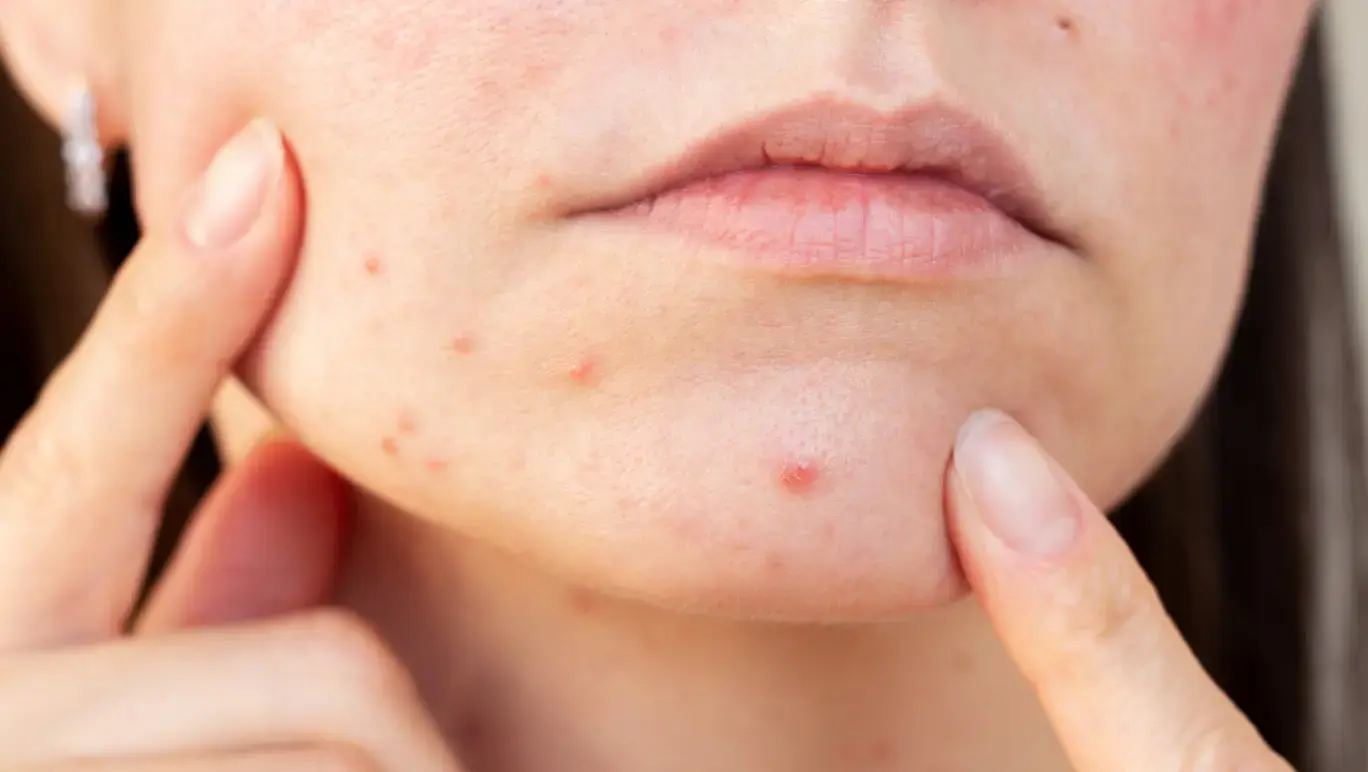
If your skin tends to flare up, feel tight, or sting after products, you might have sensitive skin. While it’s tempting to follow every trending skincare hack or try the latest “miracle” active, some common ingredients and habits may be doing more harm than good.
Let’s break down what to watch out for and how to keep your skin calm, balanced, and resilient.
1. Alcohols
Why it might impact your skin:
Alcohol is a commonly misunderstood ingredient, especially when it comes to skincare. When alcohol appears on a skincare label, most people think of the alcohol that you drink and assume this is the same type, but not all alcohols are created equal.
The simple or drying alcohols like ethanol, denatured alcohol (often listed as alcohol denat. on skincare labels), isopropyl alcohol, and methanol have been shown to be drying on the skin as it can strip natural oils, disrupt the lipid layer, and may increase water loss.
However, these studies are mostly using alcohol-based hand rubs as well as using pigs’ skin, which don’t necessarily mimic the consistency and way we use facial moisturisers in real life. That means there’s still room for more research here. But if you do have sensitive or compromised skin, it might be an ingredient to watch out for.
Alternatives:
Fatty alcohols such as cetyl alcohol, cetearyl alcohol, stearyl alcohol, and behenyl alcohol on the other hand, act as emollients in skincare (like the egg in a cake) helping everything glue together. They mostly help to soften, stabilise, and protect the skin barrier, making them more supportive ingredients in moisturisers and serums.
Some studies have shown these ingredients to be gentler on sensitive skin, but the research is mixed with other animal studies showing some skin irritation. This does go to show that each individual’s skin type is different and it’s important to talk to an expert if you are concerned about the products you are using.
2. Fragrances and perfumes
Why it might impact your skin:
Artificial fragrances are one of the most common triggers of skin irritation and allergic reactions, especially for those with sensitive skin. Beyond surface irritation, some fragrance compounds may contain phthalates or other undisclosed ingredients that raise additional concerns.
Research suggests certain chemicals used in fragrance blends can act as endocrine disruptors, potentially interfering with hormone signaling and transport in the body. Because product labels often list only “fragrance” or “parfum,” it’s difficult to know exactly what’s inside.
Alternatives:
Opt for fragrance-free or naturally scented products where the source of the scent is clearly identified (like essential oils in low concentrations). For very sensitive skin, fragrance-free formulas are best to reduce the risk of irritation or hidden hormone-disrupting compounds.
3. Harsh exfoliants
Why it might impact your skin:
Over-exfoliating with physical scrubs or high-concentration acids may have the potential to remove too much of your skin’s protective barrier, leaving it prone to inflammation, redness, and dehydration.
Overuse of physical scrubs may create microtears, particularly if skin is reactive. Plus, studies have found that physical scrubs are less effective at supporting overall skin health compared to chemical exfoliants.
Alternatives:
Don’t be scared off by the word ‘acid’ but hydroxy acids such as alpha-hydroxy acids (AHAs) and beta-hydroxy acids (BHAs) have been well studied for skin health. They may help to remove dead skin cells more evenly than scrubs, and also help keep skin hydrated, reduce breakouts, and improve the look of fine lines, wrinkles, and dark spots.
These acids can also work a little deeper, moving into the epidermis for a more thorough exfoliation. This may help speed up skin renewal, shorten regeneration time, and in the case of AHAs, may even stimulate collagen production, improving skin firmness and texture.
For those who prefer something even gentler, plant- or fruit-derived enzymes are another option. These naturally break down keratin, the protein found in dead skin cells, which supports the cell renewal process and keeps the skin looking fresh.
But remember to always patch test first and opt for soft washcloths when washing your face.
4. Sodium Lauryl Sulfate (SLS)
Why it might impact your skin:
Sodium Lauryl Sulfate (SLS) is a common surfactant used in foaming cleansers, shampoos, and even toothpaste because of its strong cleansing and lathering ability. The downside is that it’s highly effective at removing oils, including the skin’s own protective layer of oil lipids.
Research shows SLS can disrupt the skin barrier by increasing transepidermal water loss (TEWL), leading to dryness, irritation, and sometimes inflammation. People with sensitive skin, eczema, or rosacea are especially vulnerable because their barrier is already more reactive.
Alternatives:
Look for SLS-free cleansers that use gentler surfactants with names ending isethionate or glucoside. They may be gentler on the skin barrier. They can be found in plant derived surfactants including:
- Coco Glucoside
- Decyl Glucoside
- Lauryl Glucoside
- Sucrose Cocoate
- Caprylyl/Capryl Glucoside
SLS or SLES: Which one’s kinder to your skin?
Despite the similar names, sodium laureth sulfate (SLES) is not the same as sodium lauryl sulfate (SLS). The difference comes down to chemistry, SLES undergoes a process called ethoxylation, which makes its structure less harsh on the skin. As a result, SLES tends to be gentler and less irritating than SLS, although very sensitive skin types may still find it drying.
5. Overuse of retinoids or active acids
Why it might impact your skin:
Retinoids, vitamin C, and strong AHAs/BHAs are potent and can be beneficial for the skin (as mentioned above), but overuse can cause burning, peeling, and long-term barrier damage. Social media “stacking” routines often push skin past its tolerance.
Alternatives:
Introduce actives gradually (1–2 times per week) and pair with barrier-supporting moisturisers. Lower-strength derivatives or sensitive-skin formulations can reduce the risk of irritation.
6. Hot water & long showers
Why it might impact your skin:
Frequent hot showers or baths can strip the skin of its natural oils, increasing transepidermal water loss (TEWL) and leaving skin dry, tight, and more prone to irritation. Even gentle cleansers can exacerbate this effect when paired with high water temperatures.
Over time, repeated exposure to hot water can weaken the skin barrier, making sensitive skin more reactive and prone to redness or inflammation.
Alternatives:
Opt for lukewarm water instead of hot, and keep showers or baths to 5–10 minutes. After cleansing, immediately apply a hydrating, barrier-supporting moisturiser containing ingredients like ceramides, glycerin, or hyaluronic acid to lock in moisture and help maintain skin resilience.
7. Environmental stressors
Why it might impact your skin:
Environmental stressors such as sun exposure, wind, and pollution can all trigger inflammation and oxidative stress, which weaken the skin barrier and may increase sensitivity.
Even everyday urban pollution from vehicle exhaust, smoke, and airborne particles can contribute to dryness, redness, and reactivity over time. Prolonged exposure may also accelerate signs of ageing, including fine lines, uneven tone, and loss of elasticity.
Alternatives:
Protect your skin with a broad-spectrum SPF every day, even when it’s cloudy or you’re mostly indoors. Incorporate antioxidant-rich ingredients in your skincare like vitamin E, vitamin C, or green tea extract to neutralise free radicals and reduce oxidative stress. Pair these with barrier-supportive moisturisers.
The bottom line
Sensitive skin doesn’t mean avoiding skincare; it means understanding what can trigger irritation and how to support your barrier. Remember to introduce actives gradually, limit hot water exposure, and protect against environmental stressors.
With a mindful, barrier-focused routine, your skin can stay calm, resilient, and healthy. Remember every individual’s skin is different, so it's important to understand what your skin needs and speak to a skincare expert if you’re unsure.
Reviewed by the Healthylife health experts October 2025.
Related reads









This article is for informational purposes only and does not provide medical advice, diagnosis, or treatment. Any information published on this website or by this brand is not intended as a substitute for medical advice. If you have any concerns or questions about your health you should consult with a health professional.
About this article

Gabbie Watt
A bachelor degree qualified Naturopath, Gabbie is passionate about integrating evidence-based practice and traditional medicine. Formerly a Radiation Therapist, her background in conventional medicine enriches her holistic health approach.