


sports nutrition | fuel your workouts and boost performance
sports nutrition
From pre-workout to post-workout and everything in between, get answers to the most asked sports nutrition questions. We also share our top product picks to help fuel your workouts and boost sports performance.


What foods are best to eat before a workout?
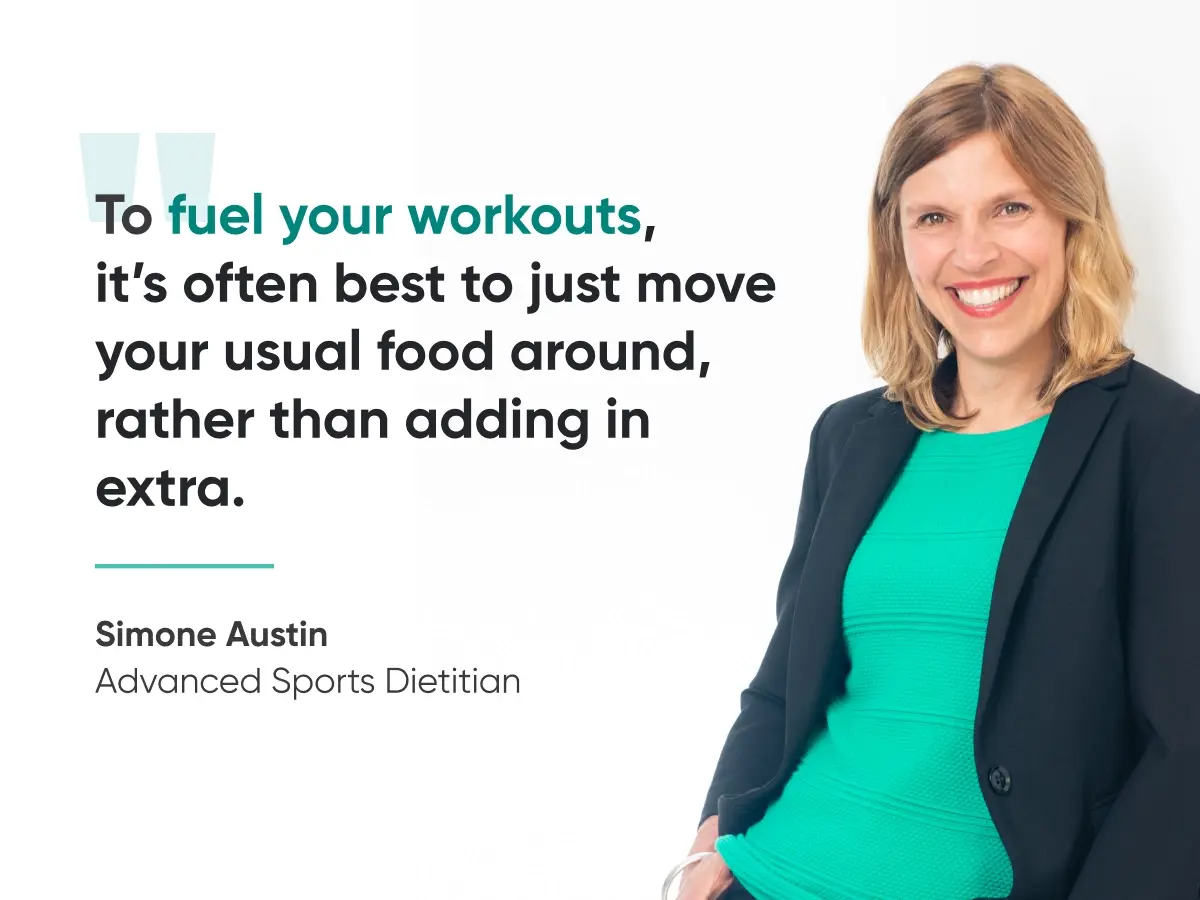
For Advanced Sports Dietitian Simone Austin, the answer to this will depend on your tastebuds and exercise goals. Whatever you eat has to give you the energy you need to complete your exercise at the right intensity.
But, if you’re looking for a satisfying snack to fuel you up around 30 minutes before a workout, Simone suggests, “some protein to help build your muscle, and some carbohydrate to help fuel the session.”
To create this nutrient combination, consider options like:
- a smoothie with milk, fruit and yoghurt. If you’re vegan, try adding in some nut butter and seeds to a plant-based milk product you enjoy to help increase its protein content
- a small sandwich with cheese, tuna or peanut butter. Or, if you don't eat animal products, try one of the tastier plant-based meat alternatives as a sandwich filling
- a can of baked beans or a hard boiled egg and a banana
sports nutrition reads
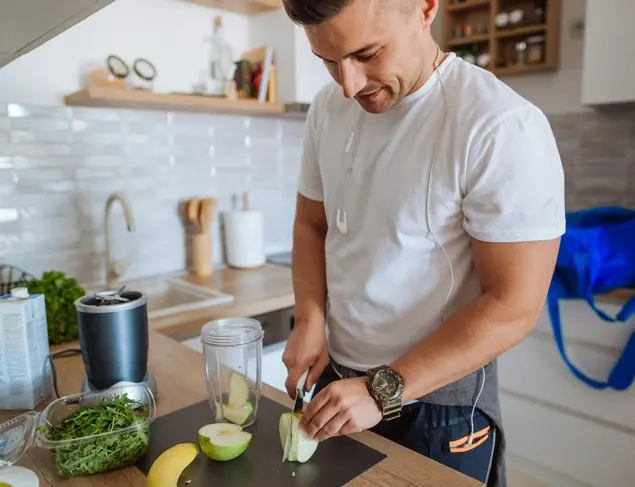

How to fuel your workout to hit those goals
Should I eat before exercising? Or afterwards? What should I be eating? We’ve got all the answers you need.
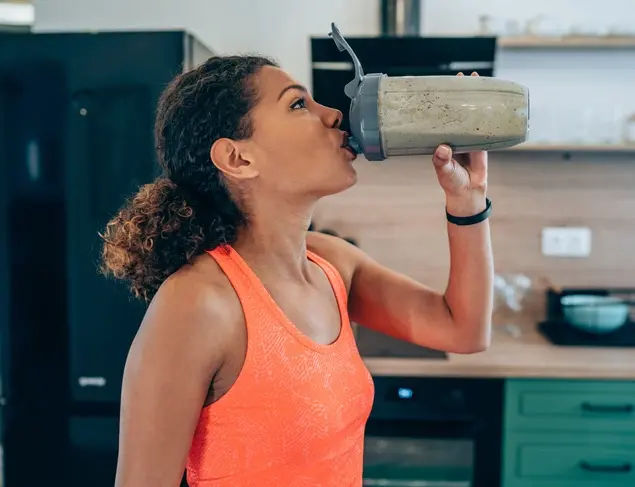
The best pre and post-workout powders to help get you moving
Once upon a time, protein was king. But now a range of other workout-related supplements have hit the shelves.

How long does it take to build muscle?
Bodybuilders make muscle building look simple. But the reality is that healthy, sustainable muscle gain takes time. The key is to combine strength training with a balanced, nutritious diet.
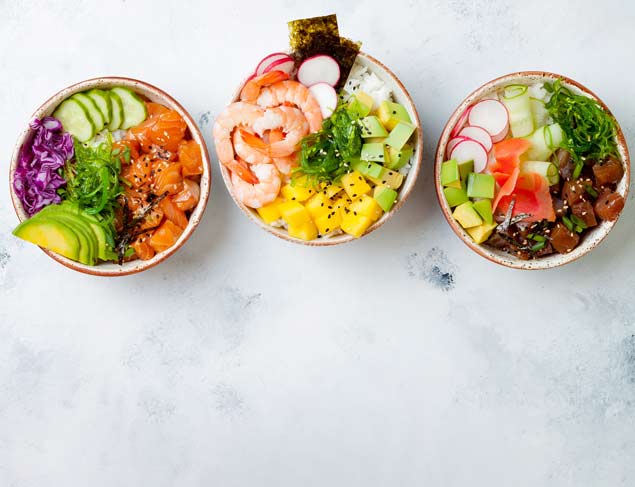
Protein for women: what are the best sources?
Are your farts a bit smelly? You might be eating too much protein. Learn what you could change to reduce this pongy problem.

How to get rid of sore muscles after exercising
Your personal trainer is usually right when they say you’re going to hurt tomorrow. We spoke to a physiotherapist about why you have sore muscles after working out and how to reduce the pain.
pre-workout products
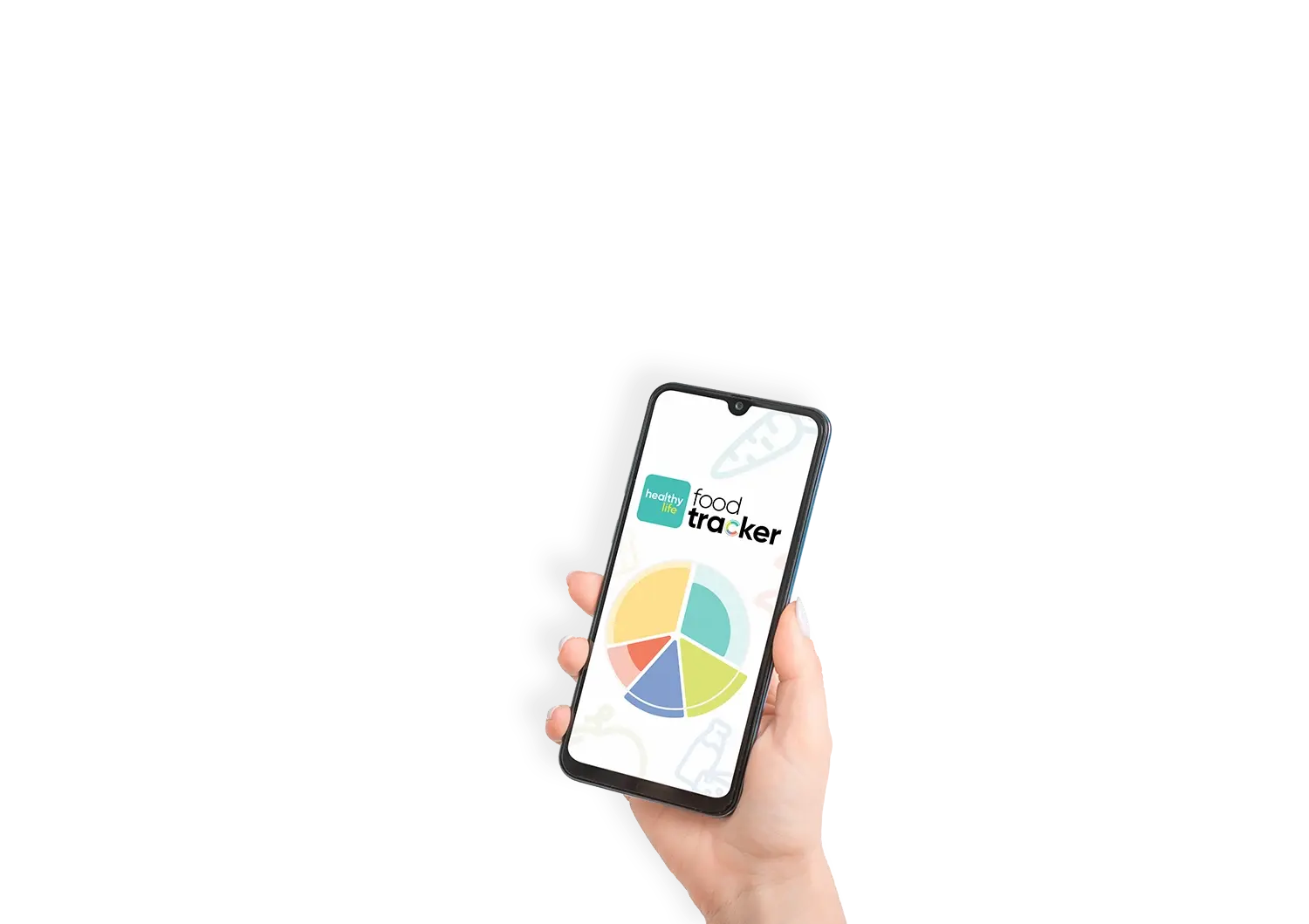
Food Tracker
Get insight into your shopping habits and inspiration to make healthier choices to fuel your workouts.

Stay fuelled and hydrated while you sweat
If you’re exercising at high intensity for more than 60-90 minutes, you may need some carbs to “top up blood glucose levels and delay fatigue.” In terms of the exact amount of carbs to consume, the Sports Dietitians Australia website says it depends “on the duration and intensity of the session as well as individual factors such as tolerance and taste preferences.”
For hydration during exercise, there’s no standard rule for how much you should drink as it depends on:
- sweat rate – this is unique to everyone and determined by genetics. An Accredited Sports Dietitian could help you figure out your sweat rate
- body size
- fitness level
- exercise session intensity and duration
- temperature and humidity
That said, some general exercise hydration tips to consider include:
- ensuring you’re well hydrated when you start exercising
- monitoring your urine colour and aiming for it to be pale yellow. This may indicate that you’re appropriately hydrated
intra-workout products
Recovery nutrition
As with pre and intra workout nutrition, there’s no one-size-fits-all when it comes to post-workout nutrition. In general, there are 4 key nutrition goals for recovery:
- Refuelling – Replenish the glycogen that was burnt during exercise by refuelling with carbohydrates
- Repairing – Protein-rich food may help “amplify the muscle building signals turned on by exercise”
- Rehydrate – Replace the fluid and electrolytes you may have lost during your workout.
- Revitalise – Fresh fruits and vegetables are where it’s at for revitalisation. The aim is to consume the vitamins, minerals and antioxidants you need for good health
recovery products
This is for informational purposes only and does not provide medical advice, diagnosis, or treatment. Any information published on this website or by this brand is not intended as a substitute for medical advice. If you have any concerns or questions about your health you should consult with a health professional.