


Azelaic acid: You've probably seen it, but are there skin benefits?

If you’ve been browsing the internet and looking at social media trends lately, you might have noticed a particular skincare ingredient popping up more and more: azelaic acid. While it doesn't always get the same loud buzz as vitamin C or retinol, it’s quickly becoming a new favourite.. But what exactly is it, and is it worth adding a new step to your skincare routine? Let’s break down everything you need to know.
What is azelaic acid?
Azelaic acid is a natural ingredient known as dicarboxylic acid. It can be found in hearty grains like barley, wheat, and rye, and it's also naturally produced by the yeast that lives on our healthy skin. In skincare, it is widely formulated into gels, foams, and creams to help reset and balance troubled skin.
How does azelaid acid work?
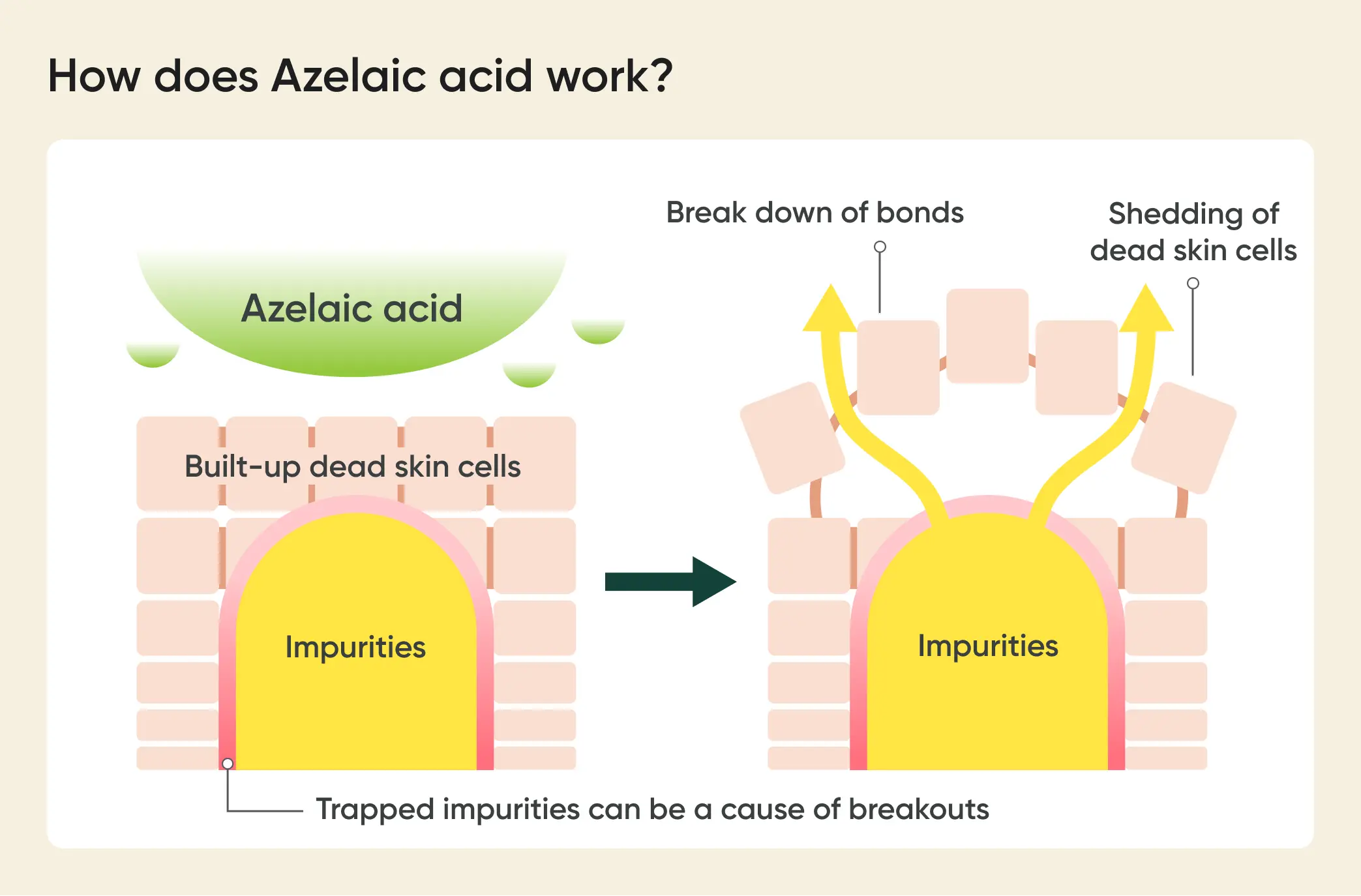
Think of azelaic acid as a multi-tasker that works on several levels. It offers mild exfoliating properties, meaning it helps to break down the dead skin cells that can lead to clogged pores. Beyond that, it is anti-bacterial and anti-inflammatory. It essentially acts as a gentle sweep for your skin's surface while simultaneously calming things down underneath.
What is azelaid acid used for?
Because of its unique properties, azelaic acid is predominantly used as a topical treatment for mild to moderate acne and rosacea. It is often recommended for people who are dealing with stubborn breakouts, redness, or lingering dark spots from old blemishes. In Australia, you can find it in over-the-counter products, usually up to a 20% concentration, as well as in prescription formulations.
Are there skin benefits?
1. Fights breakouts and unclogs pores
- Antibacterial action: Azelaic acid goes straight to the source by fighting Cutibacterium acnes, the bacteria responsible for acne breakouts.
- Pore clearing: It has a keratolytic effect, which is a fancy way of saying it dissolves the buildup of dead skin cells and keratin that block your pores, helping to prevent future blackheads and pimples.
2. Evens skin tone and fades dark spots
If you have dark spots left over from past breakouts (known as post-inflammatory hyperpigmentation) or deal with melasma, azelaic acid is a fantastic option. It helps interrupt an enzyme called tyrosinase, which is needed to produce melanin in the skin. By slowing this process down, it actively helps fade discolouration and evens out your overall skin tone, especially for darker skin types.
3. Calms redness and inflammation
Azelaic acid is packed with antioxidant power that helps neutralise free radicals, which are unstable molecules that cause inflammation. This significant skin-calming effect is why it’s frequently recommended to soothe the visible redness and swelling associated with conditions like rosacea.
Should you use azelaic acid?
Most people may benefit from azelaic acid. It is widely considered a gentle and safe skincare ingredient suitable for many skin types. It is an especially great choice for people with sensitive, blemish-prone skin who might find stronger acne treatments too harsh. Plus, it's one of the few active acne ingredients that is generally considered safe to use during all stages of life, though you should always check with your healthcare professional first before using.
Are there any side effects to using azelaid acid?
While it is generally well-tolerated, it is normal to experience a bit of a reaction when you first introduce it to your routine. You might notice:
- Mild stinging, tingling, or burning
- Dryness or slight peeling
- Itchiness
These side effects are usually temporary as your skin builds tolerance. To minimise this, try applying it every second day for a week or two until the side effects subside, then you can go back up to daily. Make sure you follow up with a good hydrating moisturiser after application.
Using azelaic acid with other skincare products
Azelaic acid works very well with other ingredients, which means it can easily be slotted into your existing skincare routine.
- Hyaluronic acid & ceramides: Pair beautifully with azelaic acid to counteract any mild dryness.
- Vitamin C: Great for an extra brightening boost, though you might want to use vitamin C in the morning and azelaic acid at night if your skin is sensitive.
- Retinol & AHAs/BHAs: While azelaic acid can be layered with ingredients like salicylic acid, be careful when combining it with strong exfoliants or retinol right away, as this can increase your risk of irritation. Always start slow and patch test before using!
When to speak to a healthcare professional
If you experience severe redness, soreness, crusting, or swelling, you should stop use and speak to your doctor or pharmacist immediately. You should also have a chat with a healthcare professional if you’ve been using an over-the-counter azelaic acid consistently for a couple of months without seeing any improvement in your acne or rosacea. There may be other solutions and treatment plans you may need, so always check with your healthcare professional.
The bottom line
Azelaic acid might just be the unsung hero of the skincare world. Whether you are battling stubborn pimples, looking to fade pesky dark spots, or trying to calm down facial redness, this gentle but effective ingredient is absolutely worth considering.
Reviewed by the Healthylife health experts August 2026.
Related reads







This article is for informational purposes only and does not provide medical advice, diagnosis, or treatment. Any information published on this website or by this brand is not intended as a substitute for medical advice. If you have any concerns or questions about your health you should consult with a health professional.
About this article

Soumya Pandya
Soumya Pandya is a Registered Pharmacist who is passionate about finding innovative ways to allow easy and safe access to healthcare for all Australians. Soumya’s goal is to help people better their health journey through education and tools that allow the individual to take a holistic approach to their health.